Role of Branding in Trade Shows: Lasting Impact
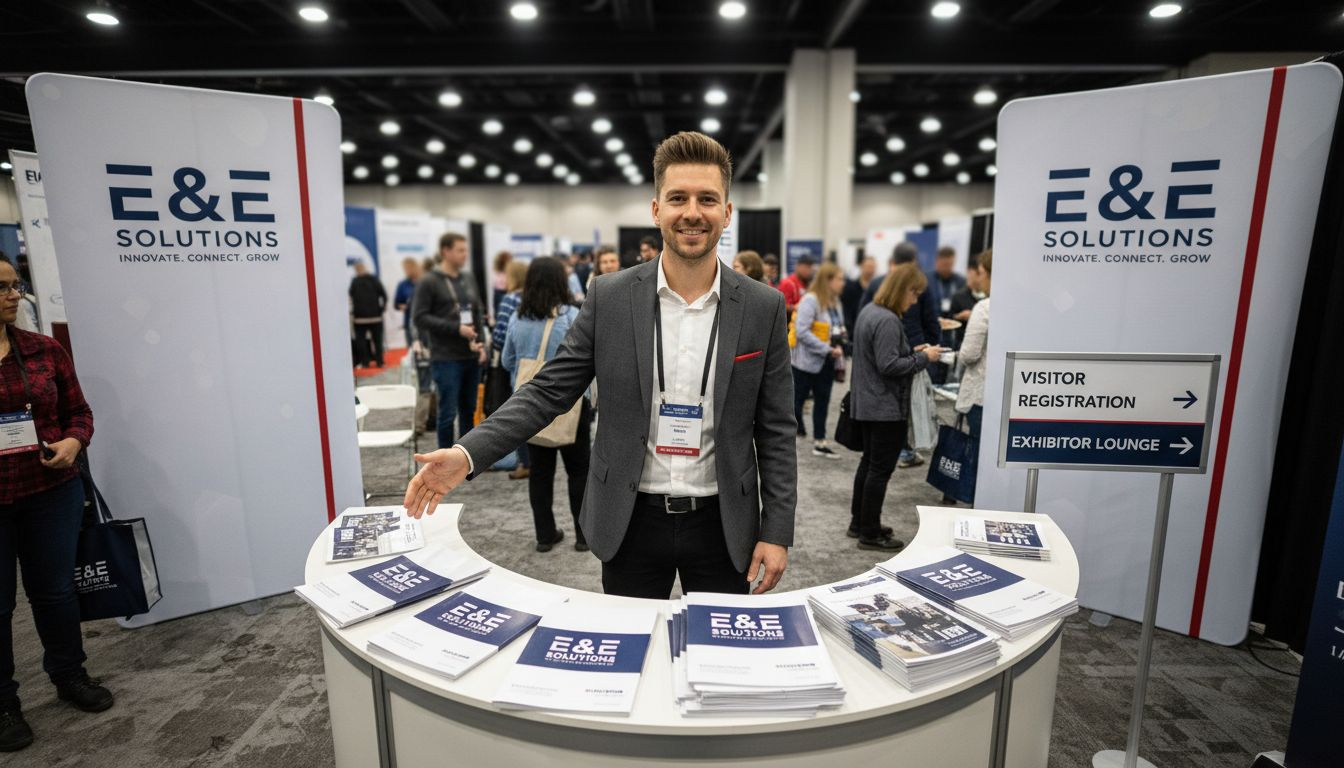
Standing out on a crowded exhibition floor in cities like Frankfurt or Barcelona takes more than clever booth graphics. The challenge lies in shaping a brand presence that not only attracts attention but also sparks genuine connection among global attendees. By focusing on core branding strategies grounded in visual identity, strategic positioning, and emotional storytelling, marketing managers at European tech companies can create trade show environments that leave lasting impressions and drive meaningful business conversations.
Table of Contents
- Core Branding Concepts For Trade Shows
- Types Of Trade Show Branding Strategies
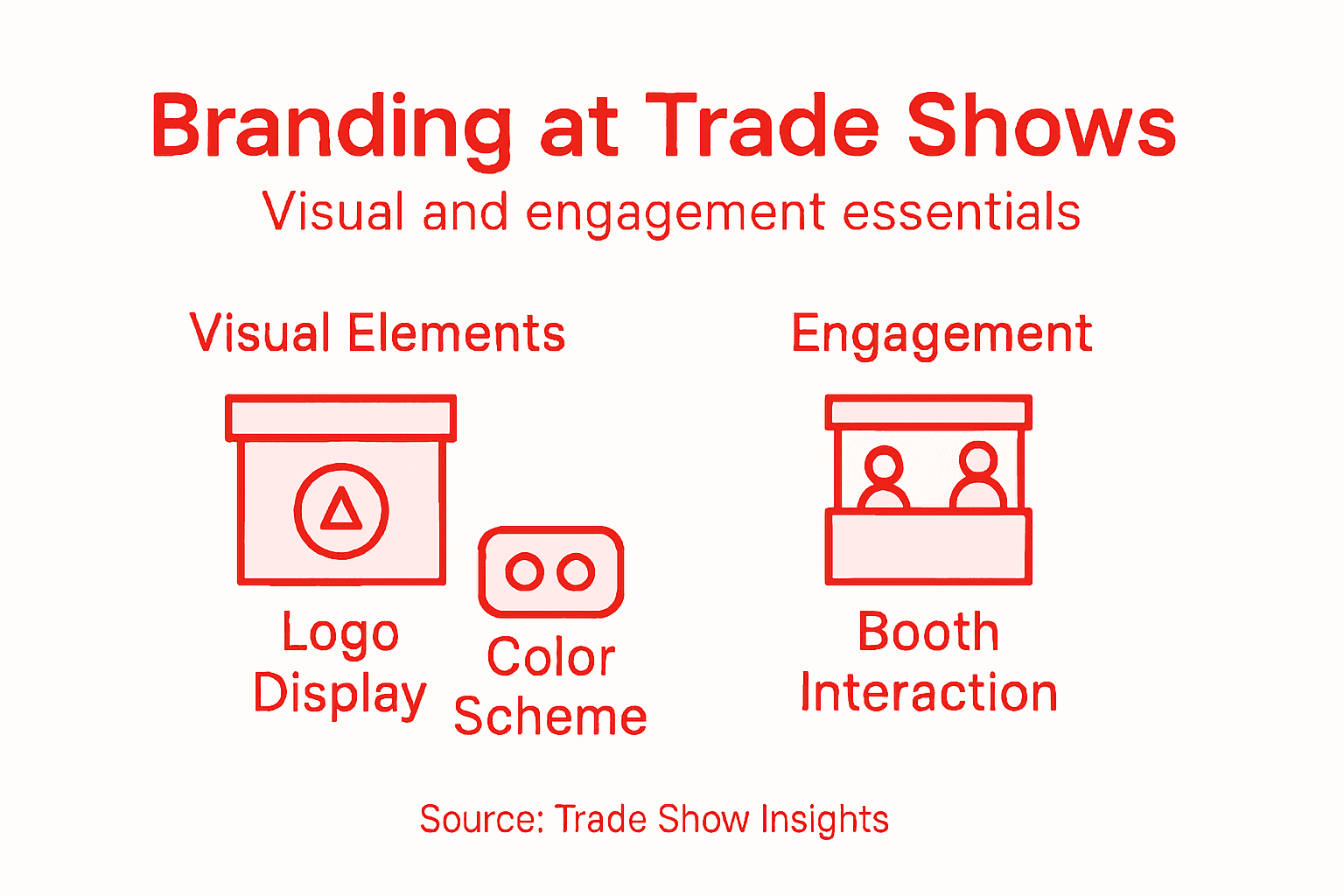
- Visual And Experiential Branding Elements
- Consistent Messaging And Brand Storytelling
- Long-Term Brand Recognition And Engagement
- Avoiding Common Branding Mistakes At Events
Key Takeaways
| Point | Details |
|---|---|
| Focus on Research | Understanding your target audience is vital for effective branding at trade shows. Tailor your messaging based on demographic and psychographic insights. |
| Create Engaging Narratives | Develop compelling brand stories that resonate emotionally to transform interactions into memorable experiences. |
| Ensure Consistent Messaging | Maintain uniformity in communication across all touchpoints to reinforce brand values and identity. |
| Plan for Long-Term Engagement | Implement strategies for post-event follow-ups to sustain connections and convert leads into long-term relationships. |
Core Branding Concepts for Trade Shows
In the competitive landscape of trade show marketing, branding transcends mere visual design—it represents a strategic communication platform that connects businesses directly with their target audience. Effective trade show branding transforms a simple booth into a powerful storytelling environment that communicates an organization’s unique value proposition and professional identity.
The foundation of successful trade show branding involves several core components:
- Target Audience Research: Understanding precise demographic and psychographic characteristics
- Strategic Positioning: Developing clear messaging that differentiates your brand
- Visual Identity Guidelines: Consistent representation of logo, color schemes, and design elements
- Narrative Framework: Creating a compelling brand story that resonates emotionally
Trade show branding requires meticulous attention to detail across multiple dimensions. Trade show booth strategies depend on seamlessly integrating visual, verbal, and experiential elements that collectively communicate a coherent brand message. Successful brands recognize that every interaction—from booth design to staff engagement—represents an opportunity to reinforce their unique market positioning.
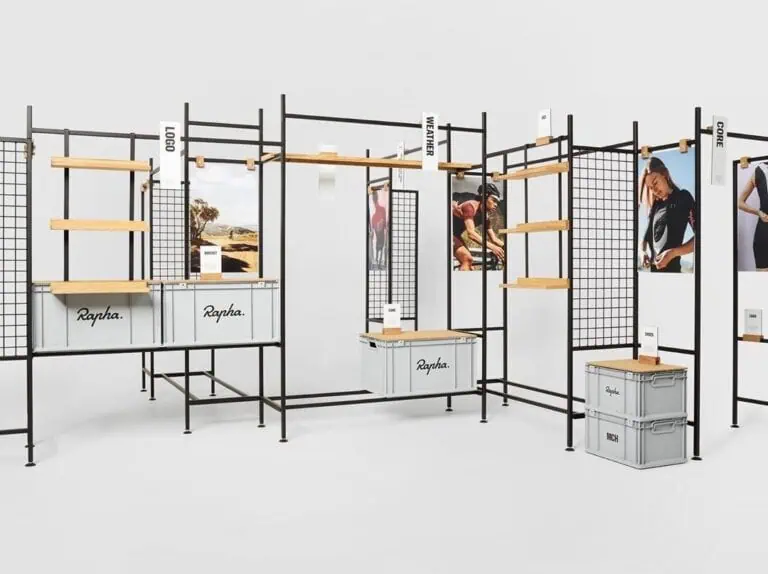
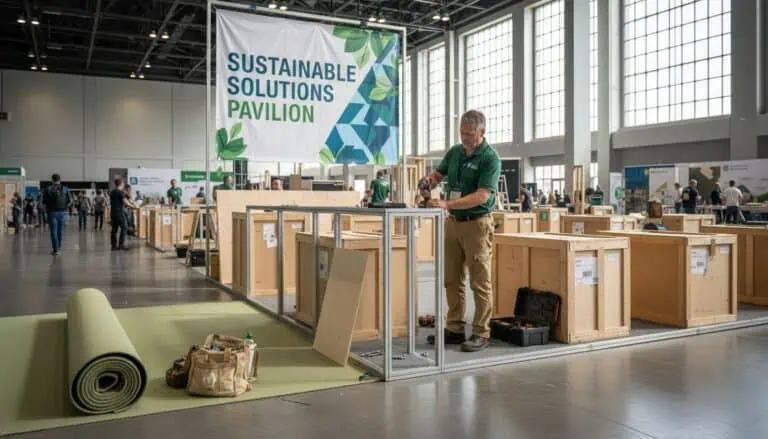
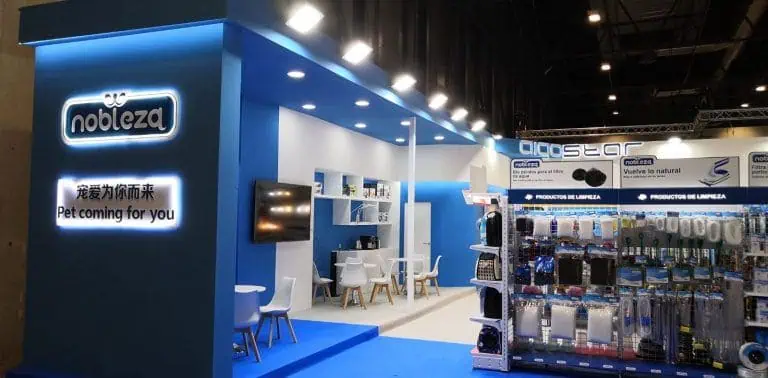
Visual branding at trade shows involves more than aesthetic appeal. It demands a strategic approach that transforms physical space into an immersive brand experience. This means carefully selecting booth design elements, graphics, and interactive displays that align with your organization’s core values and communication objectives.
Effective trade show branding transforms passive observers into engaged brand advocates through intentional, memorable experiences.
Pro tip: Develop a comprehensive brand guideline document specifically tailored for trade show environments to ensure consistent messaging and visual representation across all touchpoints.
Types of Trade Show Branding Strategies
Trade show marketing offers diverse branding strategies that enable businesses to create memorable and impactful experiences for potential clients and industry partners. Understanding these strategies allows companies to strategically design their booth presence and communication approach to maximize engagement and brand recognition.
The primary types of trade show branding strategies include:
- Product Branding: Highlighting specific product features and unique selling propositions
- Corporate Branding: Emphasizing overall company culture, values, and professional reputation
- Personal Branding: Leveraging individual team members’ expertise and professional credibility
- Innovation Branding: Showcasing technological advancements and forward-thinking capabilities
Each branding strategy serves a distinct purpose in trade show environments. Event branding strategies depend on carefully aligning visual presentations, interactive experiences, and messaging to create a cohesive narrative that resonates with target audiences. Companies must select an approach that not only attracts attention but also effectively communicates their core value proposition.
Product branding strategies focus on creating immersive demonstrations that allow potential clients to experience product capabilities directly. Corporate branding strategies, conversely, emphasize broader organizational strengths, showcasing company culture, mission, and long-term vision. Personal branding approaches leverage the human element, positioning key team members as industry thought leaders and trusted experts.
Here is a comparison of trade show branding strategies and their primary advantages:
| Branding Strategy | Focus Area | Main Advantage |
|---|---|---|
| Product Branding | Specific product features | Drives hands-on product engagement |
| Corporate Branding | Company culture and values | Builds trust and reputation |
| Personal Branding | Expertise of team members | Humanizes the brand experience |
| Innovation Branding | Technological advancements | Positions brand as forward-thinking |
Successful trade show branding transforms booth spaces from static displays into dynamic storytelling platforms that forge meaningful connections with attendees.
Pro tip: Develop a flexible branding strategy that can be dynamically adjusted based on specific trade show audience demographics and industry expectations.
Visual and Experiential Branding Elements
Trade show branding transcends traditional marketing by creating immersive visual experiences that engage potential clients through multisensory communication strategies. The most effective booth designs transform static displays into dynamic environments that tell compelling brand stories and create memorable interactions.
Key visual branding elements for trade show success include:
- Color Palette: Consistent brand colors that evoke specific emotional responses
- Graphic Design: High-impact visual displays that communicate brand personality
- Spatial Layout: Booth design that facilitates natural visitor movement and interaction
- Multimedia Integration: Interactive screens, demonstrations, and digital storytelling
- Lighting Design: Strategic illumination that highlights key brand messages and products
Creative trade show booth designs leverage visual storytelling techniques that transform traditional marketing approaches. Successful brands understand that every visual element—from graphic design to spatial arrangement—communicates a sophisticated narrative about their organizational identity and innovative capabilities.
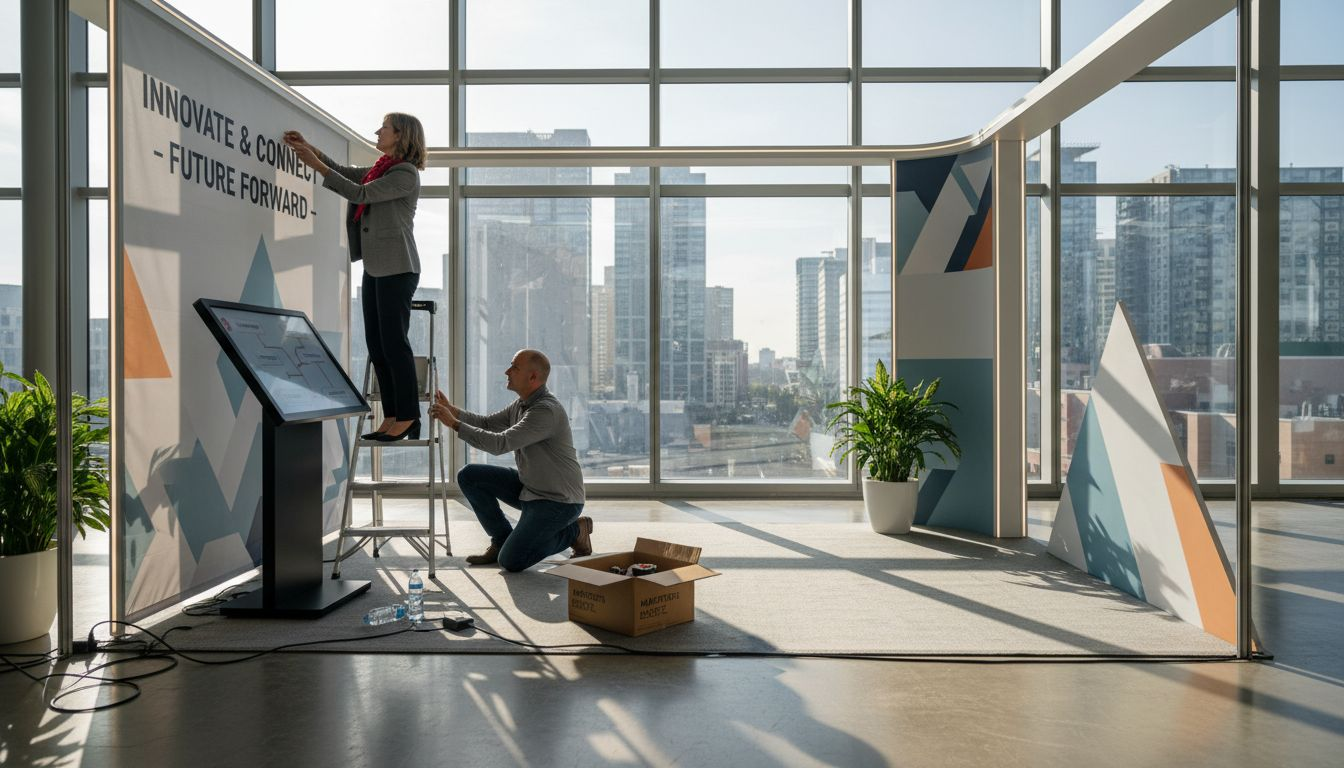
Experiential branding goes beyond visual aesthetics by creating interactive environments that allow potential clients to engage directly with brand offerings. This approach transforms booth spaces from passive displays into active engagement platforms where visitors can experience product capabilities, company culture, and technological innovations through hands-on interactions.
The following table highlights how visual and experiential elements influence attendee perception:
| Branding Element | Impact on Attendees | Best Use Case |
|---|---|---|
| Color Palette | Evokes emotional response | Initial attraction to booth |
| Spatial Layout | Aids flow and interaction | Maximizing booth engagement |
| Multimedia Integration | Captures attention quickly | Demonstrating innovation |
| Lighting Design | Directs focus | Spotlighting key displays |
Exceptional trade show branding creates sensory experiences that transform passive observers into active brand participants, generating lasting emotional connections.
Pro tip: Design your trade show visual strategy as a holistic narrative, ensuring every design element connects seamlessly to tell a cohesive brand story.
Consistent Messaging and Brand Storytelling
Brand storytelling transforms trade show communication from transactional interactions into powerful narrative experiences that forge deep emotional connections with potential clients. Consistent messaging acts as the critical backbone that ensures every interaction reinforces the brand’s core values, mission, and unique market positioning.
Key elements of effective brand storytelling include:
- Narrative Arc: Developing a compelling storyline that showcases brand evolution
- Emotional Resonance: Crafting messages that connect on a human, personal level
- Brand Voice Consistency: Maintaining a uniform communication style across all touchpoints
- Value Demonstration: Illustrating how the brand solves real-world challenges
- Cultural Relevance: Adapting storytelling to reflect current market dynamics
Event branding strategies rely on creating a cohesive narrative that transforms individual brand interactions into memorable, interconnected experiences. Successful brands understand that storytelling is not about promoting products, but about communicating the underlying philosophy and unique perspective that distinguishes them in competitive markets.
Effective brand storytelling requires a sophisticated approach that goes beyond surface-level marketing. It demands a deep understanding of audience psychology, carefully crafted messaging that resonates emotionally, and a commitment to authenticity that builds long-term trust and credibility.
Powerful brand stories are not told—they are experienced, remembered, and shared.
Pro tip: Develop a comprehensive brand narrative guidebook that provides clear communication frameworks for all team members representing the brand at trade shows.
Long-Term Brand Recognition and Engagement
Brand recognition extends far beyond momentary trade show interactions, representing a strategic journey of consistent communication, emotional connection, and value delivery. Successful companies understand that trade shows are not isolated marketing events, but critical touchpoints in a comprehensive brand engagement ecosystem.
Key strategies for building long-term brand recognition include:
- Post-Event Follow-Up: Developing systematic communication protocols after trade show interactions
- Relationship Continuity: Creating personalized engagement pathways for potential clients
- Performance Documentation: Tracking and measuring brand interaction metrics
- Value-Added Content: Providing ongoing educational and informative resources
- Multichannel Integration: Connecting trade show experiences with digital brand platforms
Essential exhibition stand strategies emphasize the importance of creating memorable brand experiences that transcend the physical event. Brands that successfully convert trade show interactions into long-term relationships understand the delicate balance between professional engagement and authentic human connection.
Engagement metrics reveal that meaningful brand recognition emerges from consistent value demonstration, not just visual marketing tactics. Companies must invest in creating comprehensive communication strategies that transform initial trade show encounters into sustained, mutually beneficial relationships built on trust, expertise, and shared understanding.
Long-term brand engagement is a continuous dialogue, not a one-time transaction.
Pro tip: Create a dedicated post-trade show engagement workflow that personalizes follow-up communications based on specific visitor interactions and demonstrated interests.
Avoiding Common Branding Mistakes at Events
Trade show branding demands precision and strategic communication, with even minor missteps potentially undermining months of marketing effort. Successful companies recognize that brand representation at events requires meticulous planning, consistent messaging, and a deep understanding of audience expectations.
Common branding mistakes that can derail event marketing include:
- Inconsistent Visual Identity: Misaligned logos, color schemes, or design elements
- Overcomplicated Messaging: Overwhelming visitors with technical jargon or complex narratives
- Lack of Emotional Connection: Failing to create meaningful, human-centered brand interactions
- Unprepared Staff: Team members who cannot articulate brand values effectively
- Neglecting Follow-Up: Missing critical post-event engagement opportunities
Best practices for exhibitions emphasize the importance of creating a cohesive, memorable brand experience that goes beyond visual aesthetics. Brands that successfully navigate trade show environments understand that every interaction represents a critical opportunity to build trust and demonstrate value.
Effective brand representation requires a holistic approach that integrates visual design, staff training, and strategic communication. Companies must develop comprehensive guidelines that ensure consistency across all brand touchpoints, from booth design to personal interactions, creating a unified and compelling narrative that resonates with potential clients.
The most significant brand mistakes are not what you do, but what you fail to do consistently.
Pro tip: Conduct a comprehensive brand audit before the event, creating a detailed playbook that provides clear guidelines for every aspect of brand representation.
Elevate Your Trade Show Branding with Expert Booth Solutions
Trade shows demand more than just a booth—they require a strategic storytelling platform that brings your brand identity and messaging to life. If you find maintaining consistent visual elements and delivering compelling narratives challenging, you are not alone. Many businesses struggle with creating immersive experiences that emotionally connect with attendees while ensuring long-term brand recognition and seamless follow-up.
That’s where Adam Expo Stand steps in. Specializing in custom and modular exhibition stand design, fabrication, and management, we help you overcome the hurdles of inconsistent branding and lackluster engagement. Our end-to-end services, from 3D design visualization to on-site assembly and logistics, ensure every element of your booth—color palette, lighting, spatial layout, and messaging—works harmoniously to captivate your audience and reinforce your unique value proposition.
Ready to transform your trade show presence into an unforgettable brand experience that fosters lasting connections? Explore our comprehensive exhibition stand design solutions today and discover how to avoid common branding pitfalls by partnering with a trusted expert. Take the next step toward maximizing your event impact with creative trade show booth designs that truly resonate. Don’t wait. Visit Adam Expo Stand now to begin building your powerful, memorable brand presence.
Frequently Asked Questions
What is the importance of branding at trade shows?
Branding at trade shows is vital as it creates a strategic communication platform that connects businesses with their target audience. Effective branding transforms a booth into an immersive storytelling environment, showcasing the organization’s unique value proposition and professional identity.
How can I ensure consistent messaging during a trade show?
To ensure consistent messaging, develop a comprehensive brand narrative guidebook that outlines communication strategies and key messaging points. Train staff members to articulate the brand’s values and ensure that all visual elements align with the overarching brand narrative.
What are the key visual elements for successful trade show branding?
Key visual elements include a consistent color palette, high-impact graphic design, spatial layout for visitor interaction, multimedia integration, and strategic lighting design. These elements work together to create a cohesive brand experience that captures attendee attention.
How can I build long-term brand recognition after a trade show?
Building long-term brand recognition can be achieved through post-event follow-up communications, personalized engagement pathways, tracking interaction metrics, and providing ongoing educational content. Connecting trade show experiences with digital platforms also helps maintain engagement with potential clients.
Recommended
- 7 Event Branding Ideas to Boost Trade Show Engagement
- Success Exhibiting at IFEMA Madrid: The Ultimate Exhibitor Guide
- The Ultimate Guide to Trade Booth Rental Design in Europe | Adam Expo Stand Solutions
- Create the most successful stand design.
- Role of Branding for Builders: Complete Guide – BoxBuild
- Impact Du Contenu Vidéo Sur Le Branding : Guide Complet