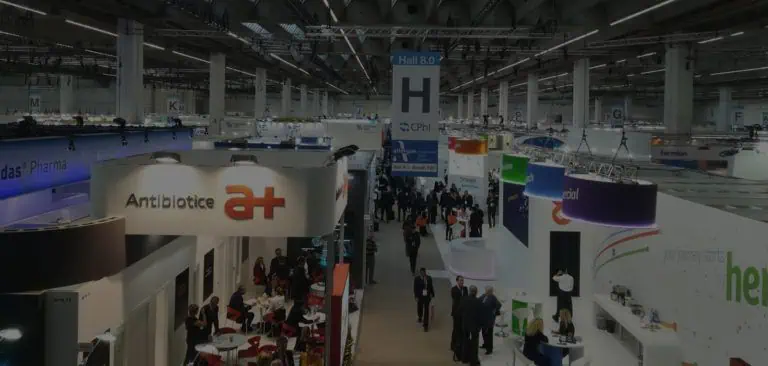
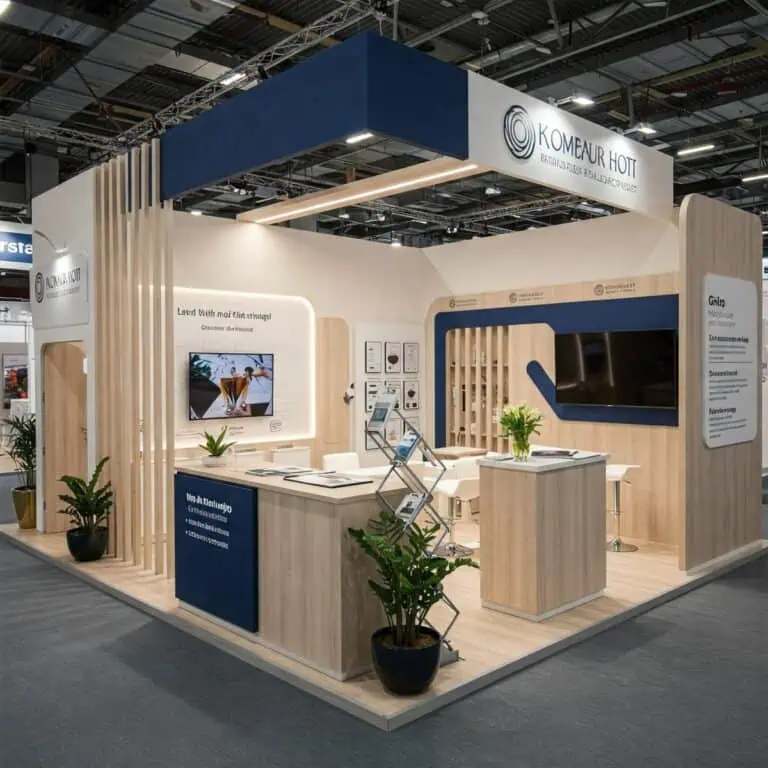
Fashion trade show stands should make a collection easy to understand, inspect and discuss. Start with the products, buyer appointments, sample handling and order process, then design the rails, displays, lighting, storage and meeting space around them. A recognisable brand setting matters, but it must also support the practical work of presenting a collection.
Match fashion trade show stands to the event and buyer
Choose an event according to the buyers and product categories you need to reach, its current exhibitor criteria and the commercial stage of your collection. A textile-sourcing exhibition and a finished-garment presentation need different sample arrangements and conversations. Review the current exhibitor list and format before committing the stand brief.
For example, Première Vision describes its events around the fashion supply chain and sourcing, while Pitti Uomo provides information for its menswear event in Florence. The latter currently lists 12–15 January 2027 at Fortezza da Basso. Check the exact edition, venue and participation requirements directly with each organiser rather than reusing an old list of European fashion shows.
Once the event is selected, confirm the hall, plot, dimensions, open sides and any supplied stand elements. Give the designer the current event documents, along with the collection’s launch status and the types of buyers your team expects to meet.
Build the layout around viewing and handling the collection
Decide what should be visible from the aisle and what needs a closer, staffed presentation. Group products in a way that helps buyers compare them: collection story, product category, intended market or another useful distinction. Test the proposed display with the actual number and size of samples.
| Collection requirement | Design question |
|---|---|
| Garments on rails | Can buyers browse without crowding the aisle, and can staff return each sample to its place? |
| Accessories or footwear | Are surfaces and display supports suitable for inspection and the actual product load? |
| Fabric or material samples | Can visitors compare, handle and identify samples without losing their references? |
| Private collection presentation | Is there suitable space and an agreed access process for invited buyers? |
| Commercial discussion | Can staff consult product information and record an agreed next step comfortably? |
| Backstock and packaging | Is storage sufficient and accessible without disrupting the presentation? |
Do not fill every available surface because the full collection is large. Select an understandable initial presentation and plan how additional samples will be brought out. Keep entrances and circulation usable, including when a buyer is inspecting a rail or a group is waiting for a meeting.
Test lighting with the products
Assess lighting with representative garments, fabrics and finishes, rather than approving it only through a rendering. Check whether buyers can see colour, texture and detail in the proposed setting. Look for glare on reflective accessories and shadows that make a product difficult to inspect.
Compare a sample under the proposed light with the reference conditions your team uses for product review. Agree any necessary limits with the collection team; this guide does not prescribe a universal lighting specification for every material. Confirm fixture positions, power, installation and any restrictions through the technical plan.
Choose finishes and branding that support the collection without competing with it. A subdued background, a strong colour or an open layout can each be appropriate in context. Avoid treating a claimed design trend as evidence that it will work for your products or audience.
Prepare product information and the order conversation
Give staff current product references, available variations, approved prices or quotation routes, relevant delivery information and any restrictions on what can be promised. Use a consistent way to record which samples a buyer reviewed and which information they requested.
For a meeting, establish who the visitor represents, the relevant market and the purpose of the conversation. Record the agreed next step, such as a range review, sample request or commercial proposal. Do not equate a positive reaction to a display with an order or a confirmed business outcome.
If the team uses tablets or digital catalogues, test access, navigation, offline content and charging. Make sure the physical sample references match the digital records. Keep a workable alternative if the connection fails, and assign responsibility for correcting outdated files.
Use interactive features when they help the collection
A video, digital fitting concept or virtual presentation should answer a defined buyer question. Confirm the content, equipment, supervision, space and reset process before including it in the design. Check whether sound or a queue would disrupt nearby product discussions.
A physical sample and a knowledgeable colleague may be the most useful interaction. If photography or recording is relevant to a launch, agree the permitted activities and explain them clearly. Plan any invited presentation around the available space and event rules rather than assuming a crowded activation will improve the visit.
Choose the construction and reuse plan
Compare custom and modular proposals against the rails, displays, meeting space and storage actually required. Ask for specifications for product supports and the proposed construction, together with the technical information needed for the event. The bespoke stand guide helps organise the functional brief.
For a touring collection, list the future plots and identify what can be retained, adapted or replaced. Check component compatibility, graphics, inspection, packing, repairs and storage. The modular booth system guide provides questions for evaluating the configurations. Reuse should be planned around real events, not assumed from a system’s name.
Request evidence for specific material claims and record what will happen to components after the show. Consider transport and maintenance alongside repeated use. A recycled finish or reusable frame does not, by itself, establish the environmental impact of the complete participation.
Coordinate sample logistics and stand delivery
Keep a sample inventory with product references, quantities, packaging and the person responsible for checking arrival. Coordinate it with the stand installation programme so the team knows when displays will be ready. Confirm access, delivery arrangements and return packing through the current event instructions.
Use a quotation that separates design, structure, graphics, product displays, furniture, equipment, services, transport, installation, support and dismantling. Compare the full scope with the stand budgeting framework. Check who handles late collection changes and what they mean for cost, production and approvals.
At handover, inspect the display positions, lighting, graphics, storage and meeting equipment with the collection team. Record outstanding items and the support contact. After the event, reconcile samples and equipment before return shipment, and assign owners to the agreed buyer follow-ups.
Frequently asked questions
How much of the collection should be displayed?
Use the available space and buyer tasks to decide. Present an understandable selection and plan access to additional samples, rather than crowding every product onto the stand.
Does a fashion stand need a digital experience?
Only where it supports a useful task and can be operated reliably. Prioritise product inspection, clear information and relevant conversations.
Can the stand be reused for another fashion event?
Check the exact configuration against the next plot, rules and collection requirements. Include storage, transport, graphics, inspection and any adaptation work in the plan.
To discuss fashion trade show stands for your collection, send Adam Expo Stand the event details, sample requirements, meeting activities and delivery scope.
Follow our exhibition planning guides
Choose Adam Expo Stand as a preferred source to help you find our exhibition guides and updates on Google.
Add as a preferred source on GoogleGoogle may ask you to sign in and confirm your choice.