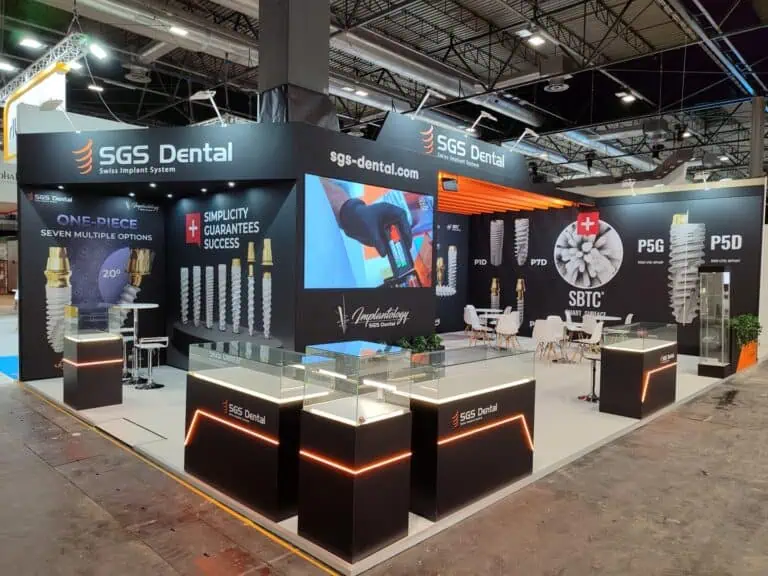
Trade show booth materials: boost ROI by 30% in 2026
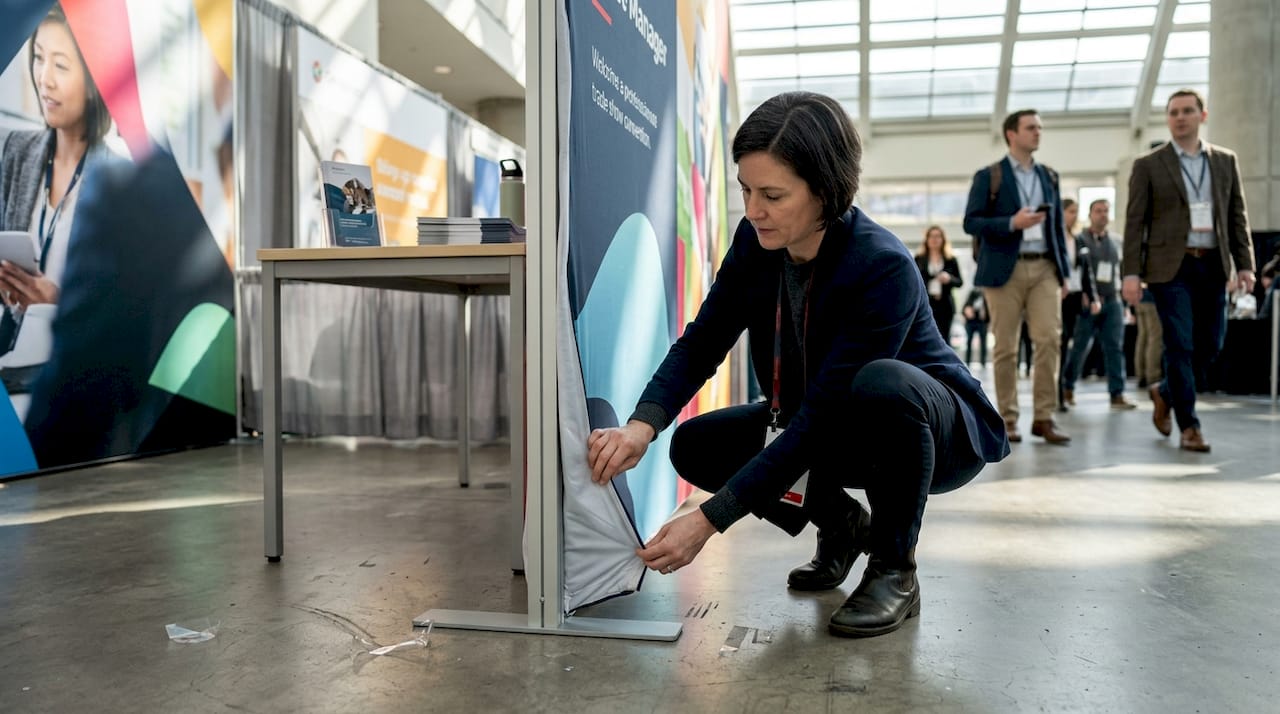
You’ve invested thousands in a flashy custom booth, but visitors walk right past. The reality? Many brands waste budgets on eye-catching materials that fail to drive meaningful engagement or leads. Effective trade show success isn’t about the most expensive graphics or elaborate structures. It’s about strategic material choices that attract visitors, encourage interaction, and convert attendees into qualified leads. This guide reveals practical material options and data-backed strategies to maximize your trade show impact while controlling costs and enhancing sustainability.
Table of Contents
- Key takeaways
- Why material choice matters for trade show success
- Choosing the right materials: fabric vs vinyl and beyond
- Maximizing booth engagement with effective collateral and tactile elements
- Modular vs custom booth materials: balancing cost, sustainability, and effectiveness
- Explore expert trade show booth solutions with Adam Expo Stand
- Frequently asked questions about trade show booth materials
Key Takeaways
| Point | Details |
|---|---|
| Material choice matters | Choosing the right booth materials shapes attendee engagement and lead quality more than flashy graphics. |
| Fabric outperforms vinyl | Tension fabric graphics resist wrinkles, weigh less, and show stable images under varied lighting, reducing glare and hot spots. |
| Logo mats boost ROI | A branded mat example yielded 30 percent more foot traffic, longer dwell time, more qualified leads, and lower cost per lead. |
| Audit cost per lead | Review last show spending by material category to identify which investments delivered results and which drained the budget. |
| Match materials to goals | Align product launches, brand awareness, and lead capture with the appropriate materials such as samples, large format graphics, and interactive elements. |
Why material choice matters for trade show success
Your booth materials directly influence how many attendees stop, engage, and ultimately become leads. Well-designed displays boost visitors by 30% through strong brand visibility, while product samples increase purchase likelihood by 25%. These aren’t marginal improvements. They represent the difference between meeting your lead goals and falling short.
Consider the impact of a single tactical material choice. One company added a branded logo mat and saw remarkable results: 30% more foot traffic, 89% longer visitor dwell time, 45% increase in marketing qualified leads, and 28% lower cost per lead. The mat created a defined booth space, reinforced brand identity, and psychologically invited attendees to step inside. This simple material addition delivered measurable ROI that many expensive custom elements fail to achieve.
Smart material selection starts with understanding what drives engagement. Vibrant, wrinkle-free graphics catch attention from across the show floor. Tactile elements like product samples create memorable interactions. Quality printed collateral gives attendees something valuable to take home. Each material serves a specific function in your visitor journey from awareness to consideration to action.
Budget allocation matters enormously. Many exhibitors overspend on flashy custom structures while neglecting proven engagement drivers. Using an exhibitor ROI calculator helps you model different material investments against expected lead generation. This data-driven approach ensures every dollar spent on materials contributes to measurable business outcomes.
The key is matching materials to your specific goals. Are you launching a new product? Prioritize samples and demo stations. Building brand awareness? Invest in large format graphics with bold messaging. Capturing leads? Focus on interactive elements and quality business cards. Understanding how to choose booth materials based on objectives prevents wasteful spending on materials that don’t serve your strategy.
Pro Tip: Audit your last trade show by calculating cost per lead for each material category. This reveals which investments delivered results and which drained budget without corresponding returns.
Choosing the right materials: fabric vs vinyl and beyond
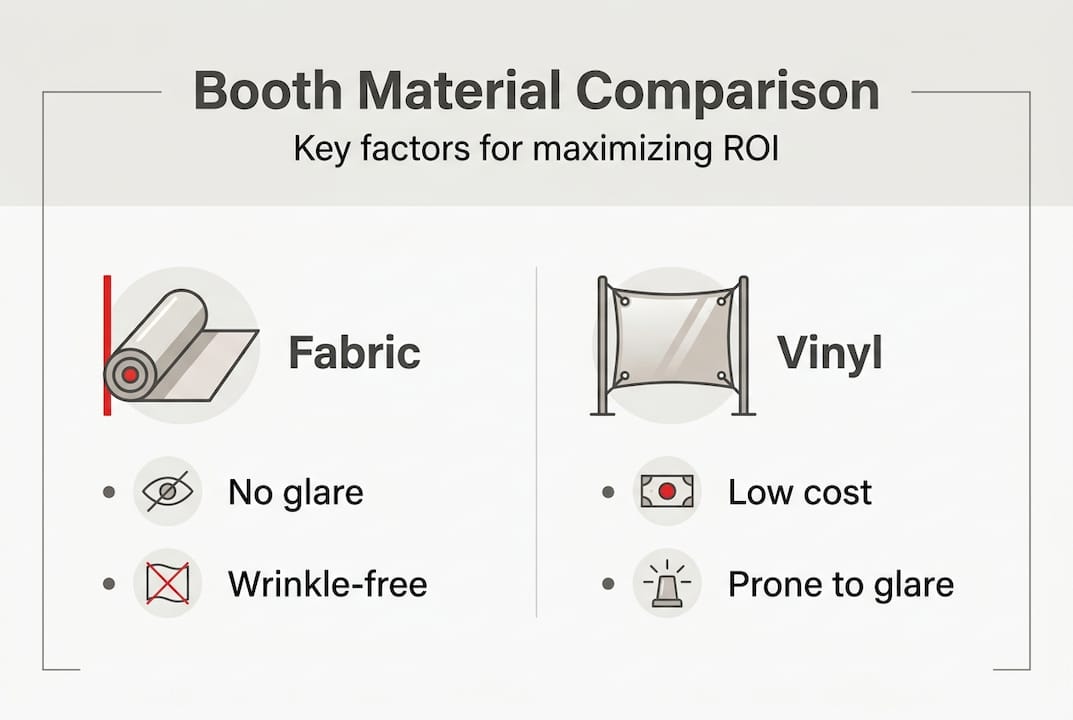
The debate between fabric and vinyl graphics significantly impacts your booth’s visual appeal and professional presentation. Tension fabric graphics outperform vinyl in multiple critical areas. Fabric resists wrinkling during transport and setup, maintaining a crisp appearance throughout the event. The material weighs considerably less, reducing shipping costs and simplifying installation. Most importantly, fabric performs better under typical trade show lighting conditions.
Vinyl creates a persistent problem that undermines your professional image. Lighting glare on vinyl surfaces creates hot spots and reflections that obscure your messaging and make photography difficult. Attendees struggle to read text or view images clearly from certain angles. Fabric eliminates this issue through its matte finish and light-absorbing properties. Dye-sublimated polyester delivers vibrant, accurate colors that remain consistent under various lighting conditions.
| Material | Advantages | Disadvantages | Best Use Cases |
|---|---|---|---|
| Tension fabric | Wrinkle-resistant, lightweight, no glare, vibrant colors | Higher initial cost, requires proper frame | Backdrops, hanging signs, curved displays |
| Vinyl | Lower upfront cost, durable outdoors | Glare issues, heavier, shows creases | Outdoor events, floor graphics, temporary signage |
| Aluminum composite | High strength, supports weight, premium look | Expensive, heavy, requires professional install | Structural elements, shelving, high-load displays |
| Foam core | Lightweight, easy to mount, affordable | Fragile, temporary only | Product photos, directional signs, one-time use |
Structural materials require different considerations based on safety and load requirements. If you’re displaying heavy products, mounting monitors, or creating elevated platforms, you need materials engineered for those loads. Aluminum or composite materials provide necessary strength and meet safety regulations for high-risk displays. Cutting corners on structural materials creates liability issues and risks booth failure during the event.
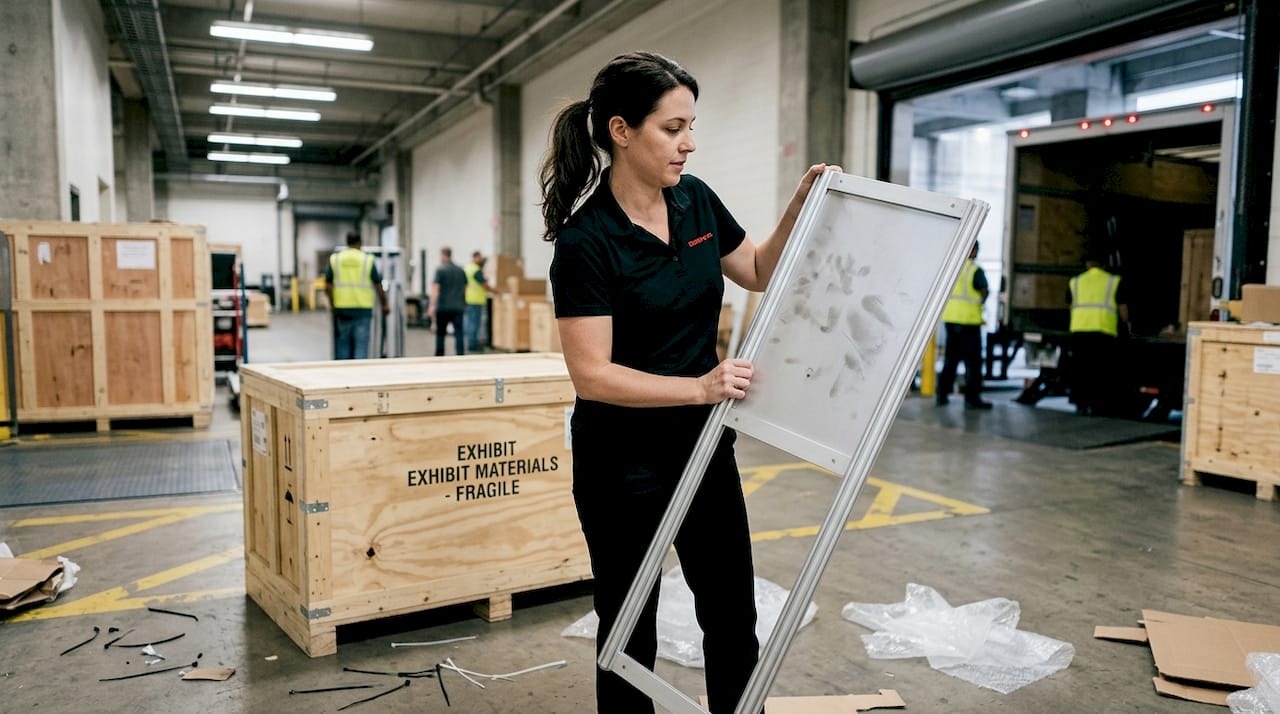
Venue requirements also dictate material choices. Some convention centers mandate flame-retardant certifications for all fabrics and materials. Others restrict certain adhesives or installation methods. Review venue specifications early in your planning process to ensure your selected materials meet all regulations. Non-compliant materials can result in booth shutdown or costly last-minute replacements.
Transport and handling durability matters more than many exhibitors realize. Materials that survive one event may not withstand multiple shows. Fabric graphics typically last 3 to 5 years with proper care, while vinyl shows wear more quickly. Consider total cost of ownership, not just initial purchase price. Durable materials that serve multiple events deliver better long-term value than cheap options requiring frequent replacement.
Pro Tip: Request material samples before committing to large graphics orders. Test how they look under different lighting, how easily they wrinkle, and how they photograph. This hands-on evaluation prevents expensive mistakes.
Understanding how to choose booth materials based on specific venue conditions, brand requirements, and budget constraints ensures your investment delivers the intended impact without costly surprises.
Maximizing booth engagement with effective collateral and tactile elements
Physical collateral remains surprisingly powerful in our digital age. 72% of attendees prefer physical business cards, and exhibitors who systematically measure results see an average ROI of 3.2x on their card investments. The tactile experience of receiving a well-designed card creates a memorable touchpoint that digital exchanges can’t replicate. Cards also serve as physical reminders that stay visible on desks and in wallets long after the event.
Printed collateral budgets are shifting as exhibitor priorities evolve. Spending on printed materials dropped to 14% of total budgets as exhibitors focus resources on experiential elements and digital integration. This doesn’t mean printed materials are obsolete. It means you must be strategic about what you print and why. Every piece should serve a clear purpose in your engagement strategy.
Effective collateral follows these principles:
- Relevance over quantity: Print fewer pieces with higher value rather than generic brochures attendees discard
- Clear next steps: Include specific calls to action with QR codes, unique URLs, or contact information
- Portable format: Design materials that fit easily in bags or pockets without folding or damage
- Visual consistency: Match your booth graphics and brand guidelines precisely
- Measurable elements: Add tracking codes or unique offers to measure which pieces drive results
Product samples and tactile elements create engagement that passive displays cannot match. When attendees touch, test, or experience your product directly, purchase likelihood increases significantly. Samples also extend dwell time, giving your team more opportunity to qualify leads and build relationships. If your product isn’t conducive to samples, consider alternative tactile experiences like material swatches, interactive demos, or hands-on activities related to your solution.
Strategic collateral planning follows this sequence:
- Define visitor journey stages: Map awareness, consideration, and decision touchpoints
- Assign materials to stages: Match collateral types to where visitors are in their buying process
- Calculate quantities needed: Estimate booth traffic and conversion rates to avoid shortages or waste
- Create measurement systems: Track which materials visitors take and which drive post-show engagement
- Budget for quality: Invest in fewer, better pieces rather than maximum quantity
Cost considerations have shifted exhibitor strategies significantly. Modular solutions save 24% compared to custom builds, freeing budget for high-impact collateral and engagement elements. This reallocation often delivers better overall results because attendees remember experiences and interactions more than booth structures.
Pro Tip: Create tiered collateral sets. Offer lightweight leave-behinds to casual visitors, but reserve premium materials and samples for qualified leads who demonstrate genuine interest. This maximizes impact per dollar spent.
Logo mats deserve special attention as an often-overlooked engagement tool. Beyond the 45% lead increase mentioned earlier, mats define your booth space, protect flooring, reduce noise, and provide comfort for staff and visitors standing for long periods. They’re reusable across multiple shows, making them cost-effective investments that continue delivering value.
Using an exhibitor ROI calculator helps you model different collateral investments against projected lead generation, ensuring you allocate budget to materials that drive measurable results rather than generic items that attendees ignore.
Modular vs custom booth materials: balancing cost, sustainability, and effectiveness
The choice between modular and custom booth materials fundamentally affects your trade show program’s economics and environmental impact. Modular booths save 24% compared to custom builds, primarily through reusability across multiple events. This cost advantage compounds over time as you amortize the initial investment across numerous shows rather than building new each time.
Modular systems use standardized components that connect in various configurations. Frames, panels, counters, and display elements reconfigure to fit different booth sizes and layouts. You can start with a 10×10 configuration and expand to 10×20 or larger as your program grows, using existing components as the foundation. This flexibility protects your investment as needs change.
Custom booths offer unique branding opportunities that modular systems can’t fully replicate. Architectural elements, brand-specific shapes, and integrated technology create distinctive experiences that stand out on crowded show floors. However, these benefits come with significant drawbacks. Custom builds require longer lead times, higher upfront costs, more complex logistics, and limited reusability. Each new show often requires modifications or complete rebuilds.
| Factor | Modular Booths | Custom Booths |
|---|---|---|
| Initial cost | Lower, standardized components | Higher, unique fabrication |
| Reusability | High, reconfigures for multiple shows | Low, often single-use or limited |
| Setup time | Faster, tool-free assembly | Slower, requires specialized labor |
| Sustainability | Excellent, minimal waste | Poor, significant disposal after events |
| Brand uniqueness | Moderate, customizable graphics | High, completely unique design |
| Lead time | Short, components in stock | Long, custom fabrication required |
| Shipping costs | Lower, compact packing | Higher, bulky custom pieces |
Sustainability increasingly influences material decisions as companies prioritize environmental responsibility. Modular booths generate minimal waste because components serve multiple events over years. Custom builds often end up in landfills after one or two uses. The materials themselves also differ. Modular systems typically use aluminum and recyclable plastics designed for durability. Custom builds may incorporate materials chosen for appearance rather than environmental impact.
Your brand positioning and trade show frequency should guide this decision. If you exhibit at multiple shows annually, modular systems deliver clear economic and operational advantages. The 24% cost savings multiply across each event. If you exhibit once or twice per year at flagship industry events where distinctive presence justifies premium investment, custom builds may warrant consideration.
Pro Tip: Hybrid approaches often work best. Use modular structural systems for flexibility and cost control, then customize with unique graphics, lighting, and experiential elements that create brand distinction without custom fabrication costs.
Exploring why to use modular booth rental options provides even greater flexibility for companies testing new markets or events. Rental eliminates upfront investment while providing professional presence. As your program matures, you can transition to owned modular systems that deliver long-term value.
The sustainability angle extends beyond just reusability. Modular components ship more efficiently, reducing transportation emissions. Setup requires fewer labor hours and generates less waste. End of life disposal is simpler because materials separate cleanly for recycling. These factors matter increasingly to both exhibitors and attendees who evaluate brands on environmental commitments.
Understanding modular booth solutions explained in detail helps you evaluate whether standardized systems can meet your branding requirements while delivering cost and sustainability benefits. Most brands find that strategic customization of modular foundations creates sufficient distinction without custom build expenses.
Explore expert trade show booth solutions with Adam Expo Stand
Selecting effective booth materials requires balancing visual impact, cost, sustainability, and engagement potential. Adam Expo Stand specializes in helping brands navigate these decisions with expert guidance on materials that deliver measurable results. Whether you’re exploring fabric graphics, modular systems, or complete turnkey solutions, our team provides data-driven recommendations aligned with your specific goals and budget.
Discover comprehensive booth materials guidance that considers your industry, target audience, and event objectives. We help you avoid common pitfalls like overspending on flashy elements that don’t drive engagement or choosing materials unsuited to your venue conditions. Our approach focuses on ROI, ensuring every material investment contributes to lead generation and brand impact.
Explore modular booth rental benefits that provide flexibility without sacrificing professional presence. Our sustainable, reusable systems deliver the cost savings and environmental advantages discussed throughout this guide while maintaining the visual impact needed to stand out on busy show floors.
Frequently asked questions about trade show booth materials
What are the best materials for wrinkle-resistant graphics?
Tension fabric graphics, specifically dye-sublimated polyester, provide the best wrinkle resistance for trade show displays. The material stretches taut over frames, eliminating creases that plague vinyl graphics. Fabric also weighs less and performs better under event lighting without glare issues.
How do modular booths compare in sustainability?
Modular booths significantly outperform custom builds in sustainability through reusability across multiple events, reducing waste by using the same components for years. Modular systems typically use recyclable aluminum and plastics designed for durability, while custom builds often use single-use materials that end up in landfills.
What collateral most effectively boosts visitor engagement?
Physical business cards remain most effective, with 72% of attendees preferring them and delivering 3.2x average ROI when systematically measured. Product samples increase purchase likelihood by 25%, while branded logo mats can increase leads by 45% through longer dwell time and defined booth space.
How to measure ROI from trade show materials?
Track cost per lead by material category, comparing investment in graphics, collateral, samples, and structural elements against leads generated. Use unique tracking codes, QR codes, or offers on different materials to identify which drive post-show engagement. Calculate total cost of ownership including reusability for multi-show materials.
Are business cards still valuable at trade shows?
Yes, business cards deliver strong value with 72% of attendees preferring physical cards over digital exchanges. Exhibitors who measure results see 3.2x average ROI from business card investments. The tactile experience creates memorable touchpoints and physical reminders that remain visible long after digital exchanges are forgotten.
What factors determine whether to choose fabric or vinyl graphics?
Choose fabric for indoor trade shows where lighting conditions, wrinkle resistance, and professional appearance matter most. Select vinyl only for outdoor events or floor graphics where durability against weather and foot traffic outweighs glare issues. Consider total cost of ownership, as fabric typically lasts longer despite higher initial cost.