Role of Innovation in Exhibition Design Impact
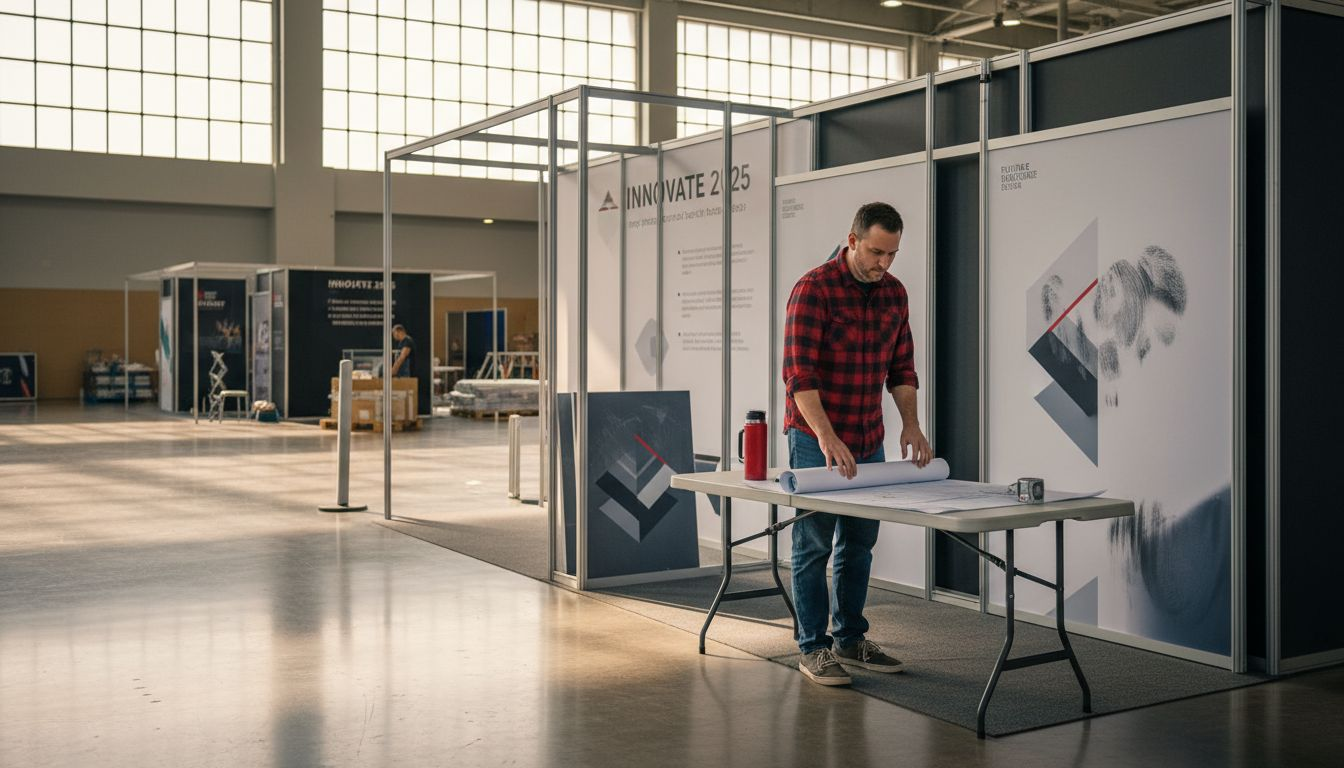
Planning an exhibition booth that leaves a lasting impression can feel daunting for European tech startups. With international trade fairs offering fierce competition and diverse audiences, the pressure to stand out has never been higher. Modern trends highlight the shift toward immersive, participatory experiences where visitors become active participants in your brand story. Discover how innovative booth designs integrating interactive technologies and multisensory storytelling can help your team drive stronger engagement and build memorable visibility across global markets.
Table of Contents
- Defining Innovation In Exhibition Design
- Key Types Of Innovation And Trends
- Integrating Technology To Enhance Engagement
- Sustainable Practices And Modular Solutions
- Measuring Innovation’s Impact On Brand Visibility
Key Takeaways
| Point | Details |
|---|---|
| Innovative Exhibition Design | Focuses on creating immersive, interactive spaces that engage audiences through technology and storytelling. |
| Technology Integration | Utilizes tools like Augmented Reality and data visualization to enhance visitor interaction and personalize experiences. |
| Sustainable Practices | Emphasizes modular design and eco-friendly materials to reduce environmental impact and enhance flexibility in exhibitions. |
| Measuring Brand Impact | Advances in digital analytics allow for a deeper understanding of audience engagement and emotional responses to exhibitions. |
Defining Innovation in Exhibition Design
Innovation in exhibition design represents a transformative approach to creating immersive, engaging spaces that transcend traditional static displays. At its core, this concept involves reimagining how brands communicate their narratives through multisensory, interactive experiences that captivate and educate audiences.
The modern definition of innovation goes far beyond mere aesthetic updates. Exhibition design innovation encompasses a holistic strategy that integrates technological capabilities, narrative techniques, and visitor psychology to create profound engagement. This approach transforms exhibition spaces from passive information repositories into dynamic, interactive environments that invite exploration and emotional connection.
Key characteristics of innovative exhibition design include:
- Interactive technological integration
- Virtual and augmented reality experiences
- Touch-screen displays
- Real-time data visualization
- Narrative-driven spatial design
- Storytelling through spatial arrangements
- Cultural and historical context embedding
- Emotional journey mapping
- Multisensory engagement techniques
- Sound and light design
- Tactile interaction zones
- Adaptive environmental elements
Research highlights the shift from traditional one-way information transmission to immersive, participatory experiences. Modern exhibition designers recognize that innovation means creating environments where visitors are active participants, not passive observers. Interactive exhibition technologies play a crucial role in achieving this transformative engagement.
Innovation in exhibition design is about crafting experiences that resonate intellectually and emotionally, turning spatial encounters into memorable journeys of discovery.
Technological advances have dramatically expanded the possibilities for innovative design. Digital tools now enable designers to create responsive, adaptive environments that can dynamically adjust to visitor interactions, preferences, and engagement levels.
Pro tip: When planning an innovative exhibition design, prioritize visitor experience over technological complexity, ensuring that each interactive element serves a clear communicative purpose.
Key Types of Innovation and Trends
The landscape of exhibition design innovation encompasses a dynamic range of technological and experiential approaches that are fundamentally reshaping how brands and organizations engage with audiences. These innovations represent a profound shift from traditional static displays toward interactive, data-driven, and highly personalized exhibition experiences.
Technological innovation has become the primary driver of transformation in exhibition design, with several key trends emerging that redefine audience interaction. These technological developments enable more sophisticated, adaptive, and responsive exhibition environments that can dynamically adjust to visitor preferences and behaviors.
Key types of innovation in exhibition design include:
- Digital Interaction Technologies
- Augmented reality (AR) experiences
- Interactive touchscreen displays
- Gesture-controlled information interfaces
- Data-Driven Personalization
- Real-time visitor behavior analytics
- Customized exhibit recommendations
- Adaptive content delivery systems
- Immersive Storytelling Techniques
- Multisensory narrative experiences
- Gamification of exhibit interactions
- Contextual environmental design
The integration of big data analytics and intelligent algorithms has enabled exhibitions to become more responsive and personalized. Creative exhibition booth design strategies now leverage data insights to create more engaging and targeted visitor experiences.
Modern exhibition innovations transform spaces from passive information repositories into dynamic, interactive environments that invite exploration and deep engagement.
Emergent trends like co-creation strategies and ubiquitous computing are blurring the boundaries between physical and digital exhibition spaces. These approaches enable more fluid, interactive experiences that encourage active participation rather than passive observation.
Advanced technologies such as artificial intelligence and machine learning are increasingly being employed to create adaptive exhibition environments that can learn from and respond to visitor interactions in real time, creating increasingly sophisticated and personalized experiences.
Pro tip: When implementing innovative exhibition technologies, always prioritize user experience and ensure that technological elements serve a clear narrative or educational purpose.
Integrating Technology to Enhance Engagement
Technology has become the cornerstone of transformative exhibition experiences, fundamentally reimagining how audiences interact with and perceive information. Digital engagement technologies are no longer optional extras but essential components that define the quality and impact of modern exhibition design.
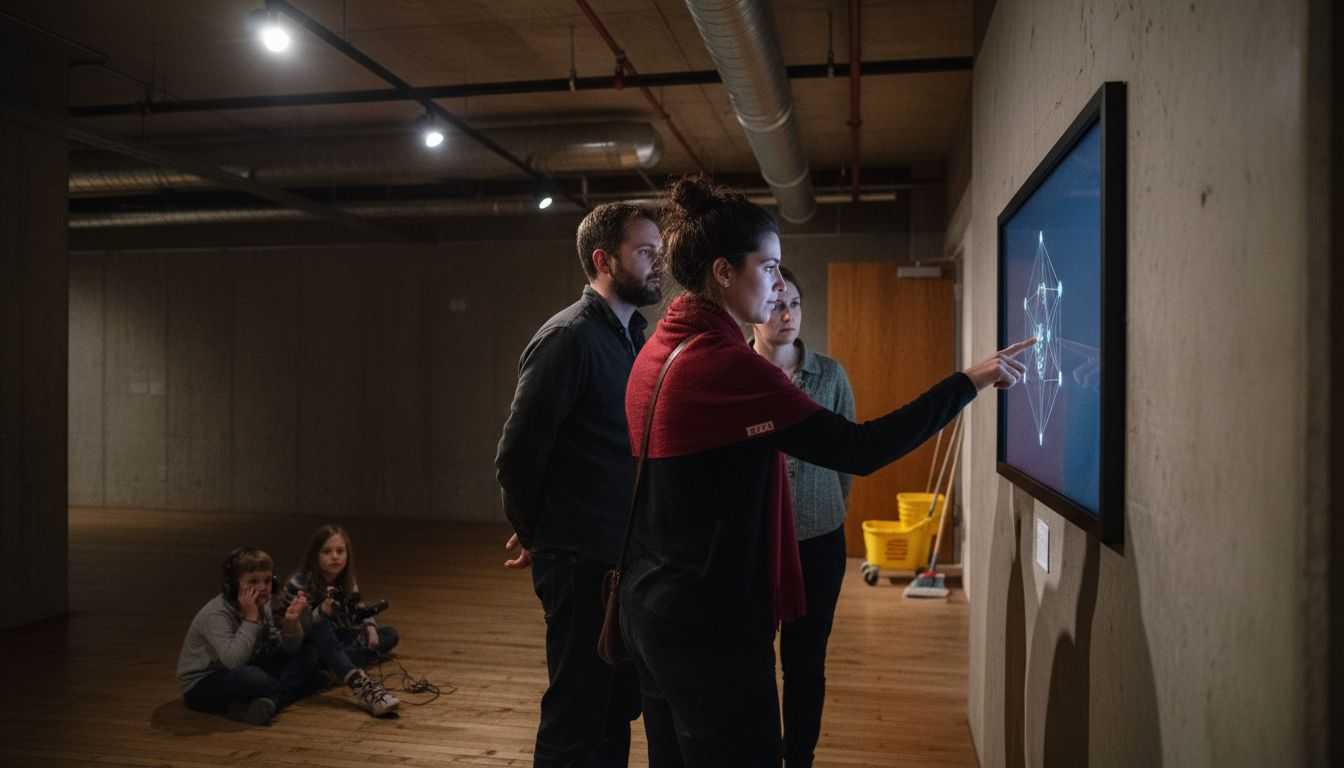
The evolution of immersive technologies has dramatically expanded the possibilities for visitor interaction. Augmented reality, virtual reality, and interactive digital interfaces are creating multi-dimensional experiences that transcend traditional one-way information transmission, turning visitors from passive observers into active participants.
Key technological integration strategies include:
- Augmented Reality (AR) Applications
- Interactive artifact information overlays
- Virtual object manipulation
- Contextual historical reconstructions
- Interactive Data Visualization
- Real-time information displays
- Touchscreen content exploration
- Personalized data journey mapping
- Gamification Technologies
- Interactive challenge-based learning
- Achievement tracking systems
- Competitive engagement mechanisms
Event branding strategies now leverage these technological innovations to create more memorable and impactful visitor experiences that extend beyond traditional exhibition boundaries.
Technology transforms exhibitions from static displays into dynamic, interactive narratives that invite personal exploration and deep engagement.
Digital twin technologies and advanced analytics are enabling unprecedented levels of personalization. These systems can track visitor interactions, preferences, and learning patterns, allowing exhibitions to dynamically adapt content in real time to maximize individual engagement and educational outcomes.
The integration of artificial intelligence and machine learning is pushing the boundaries of interactive exhibition design, creating environments that can intelligently respond to visitor behaviors, adjust narrative flows, and provide highly customized educational experiences.
Here’s how modern exhibition technologies compare in enhancing audience engagement:
| Technology | Visitor Experience Benefit | Business Impact |
|---|---|---|
| Augmented Reality | Immersive artifact exploration | Boosted brand recall |
| Data Visualization | Personalized content journeys | Improved visitor analytics |
| Gamification | Active participation | Higher dwell time |
| AI Interactions | Adaptive environment response | Optimized resource allocation |
Pro tip: When implementing technological solutions, always prioritize user experience and ensure that digital elements enhance rather than complicate the core narrative of your exhibition.
Sustainable Practices and Modular Solutions
Sustainable exhibition design represents a critical evolution in the event industry, transforming how organizations approach environmental responsibility while maintaining high-impact visual experiences. This approach goes beyond mere trend-following, embedding ecological consciousness directly into the core of exhibition strategy and execution.
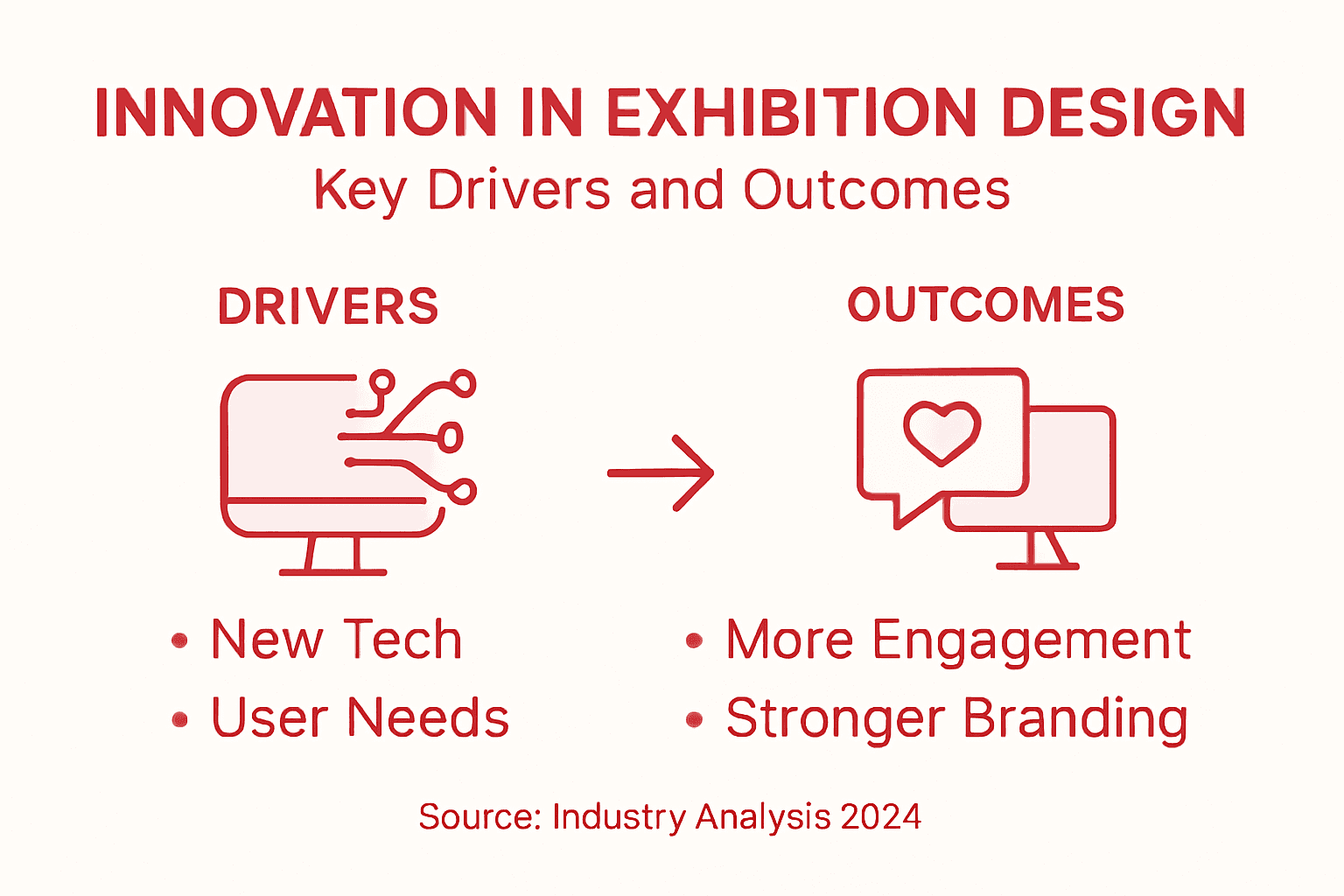
The emergence of modular exhibition systems has revolutionized sustainable design practices, offering unprecedented flexibility and resource efficiency. These innovative solutions enable organizations to create dynamic, adaptable spaces that can be easily reconfigured, transported, and reused across multiple events, significantly reducing waste and environmental footprint.
Key sustainable design strategies include:
- Modular Design Principles
- Reusable structural components
- Lightweight, transportable materials
- Quick assembly and disassembly systems
- Eco-Friendly Material Selection
- Recycled and recyclable materials
- Low-emission fabrication processes
- Biodegradable display elements
- Resource Optimization Techniques
- Minimized material consumption
- Energy-efficient lighting solutions
- Compact storage and transportation designs
Sustainable expo stand solutions are increasingly becoming a strategic imperative for businesses seeking to demonstrate environmental leadership and appeal to eco-conscious audiences.
Sustainable exhibition design is not just an environmental choice, but a sophisticated approach to creating more intelligent, adaptable, and cost-effective event experiences.
Advanced modular systems now incorporate smart technologies that enhance both sustainability and functionality. These designs can be easily modified, allowing exhibition spaces to evolve quickly in response to changing event requirements or brand messaging needs.
The integration of digital tools and sustainable design principles enables more precise resource allocation, reducing material waste and creating exhibitions that are both environmentally responsible and visually compelling. This approach represents a holistic reimagining of exhibition design that balances aesthetic, functional, and ecological considerations.
Below is a comparison of traditional versus sustainable exhibition practices:
| Practice Type | Environmental Impact | Flexibility | Cost Efficiency |
|---|---|---|---|
| Traditional Design | High resource consumption | Limited adaptability | Moderate initial cost |
| Modular Sustainable Design | Reduced waste, eco-friendly | Easily reconfigured | Savings across events |
Pro tip: When designing sustainable exhibition spaces, focus on creating versatile modular components that can be repurposed across multiple events to maximize both environmental and financial benefits.
Measuring Innovation’s Impact on Brand Visibility
Brand visibility metrics have undergone a radical transformation in the era of digital exhibition design, shifting from traditional quantitative measurements to sophisticated, multi-dimensional analytical approaches. This evolution reflects the complex ways innovative technologies now enable deeper, more nuanced audience interactions and engagement.
The emergence of digital analytics frameworks has revolutionized how organizations track and understand their exhibition impact. Advanced measurement techniques now go beyond simple visitor counts, incorporating complex data points that reveal the depth of audience engagement, emotional resonance, and long-term brand perception generated by innovative exhibition experiences.
Key brand visibility measurement strategies include:
- Digital Engagement Metrics
- Interactive session duration
- Digital content sharing rates
- Social media mention volumes
- Experiential Impact Indicators
- Emotional response tracking
- Audience interaction depth
- Qualitative experience feedback
- Technological Interaction Analytics
- AR/VR engagement rates
- Personalized content interaction
- Digital touchpoint conversion metrics
Event branding strategies now leverage sophisticated analytics to transform exhibitions from passive displays into dynamic, measurable brand experiences.
Innovation in measurement isn’t just about collecting data, but about understanding the qualitative and quantitative stories behind audience interactions.
Advanced artificial intelligence and machine learning technologies are enabling unprecedented levels of insight, allowing brands to create predictive models that anticipate audience behaviors and refine exhibition design strategies in real time.
The integration of sophisticated tracking technologies transforms exhibitions from one-time events into ongoing conversations, where every digital interaction becomes a valuable data point for understanding brand perception, audience preferences, and potential market opportunities.
Pro tip: Develop a comprehensive measurement framework that balances quantitative metrics with qualitative insights to truly understand the multidimensional impact of your innovative exhibition design.
Unlock the Power of Innovation in Your Exhibition Design
If you are striving to move beyond traditional static displays and want to create immersive, engaging exhibitions that truly resonate with your visitors, then embracing innovation is crucial. The challenges of integrating interactive technology, sustainable modular solutions, and personalized storytelling require expert guidance and seamless execution. Key goals such as enhancing visitor engagement, boosting brand visibility, and delivering measurable impact are perfectly aligned with innovative design strategies that transform passive audiences into active participants.
At Adam Expo Stand, we specialize in crafting custom and modular exhibition stands that bring these visionary concepts to life. Our turnkey services cover everything from conceptual 3D design visualization to on-site assembly and logistics, making it easy for your brand to shine with cutting-edge technologies and sustainable materials. Explore how our creative exhibition booth design strategies and sustainable expo stand solutions can help you implement interactive and adaptive exhibition spaces that captivate attendees and foster lasting brand recognition.
Ready to transform your next trade show presence with innovative exhibition design that delivers measurable results? Discover personalized solutions tailored to your brand objectives at Adam Expo Stand and start creating unforgettable visitor experiences today.
Frequently Asked Questions
What is the significance of innovation in exhibition design?
Innovation in exhibition design is critical as it redefines how brands engage with audiences, transforming spaces from static displays into dynamic, interactive environments that foster deeper emotional and intellectual connections.
How does technology enhance visitor engagement in exhibitions?
Technology elevates visitor engagement through interactive features like augmented reality, data visualization, and gamification, encouraging active participation rather than passive observation and creating immersive experiences.
What are some key characteristics of innovative exhibition design?
Key characteristics include interactive technological integration, narrative-driven spatial design, and multisensory engagement techniques, all aimed at creating profound visitor experiences and emotional journeys.
How can sustainable practices be integrated into exhibition design?
Sustainable practices can be integrated through modular design principles, eco-friendly material selection, and resource optimization techniques, leading to adaptable, low-waste exhibition solutions that improve environmental responsibility while maintaining visual impact.
Recommended
- 7 Event Branding Ideas to Boost Trade Show Engagement
- Success Exhibiting at IFEMA Madrid: The Ultimate Exhibitor Guide
- Display Technology’s Impact on Modern Exhibitions
- Create the most successful stand design.
- LED Supply & Fit help Discovery Museum improve green credentials with energy efficient lighting | LED Supply & Fit