

Why Prioritize Booth Functionality for Trade Shows
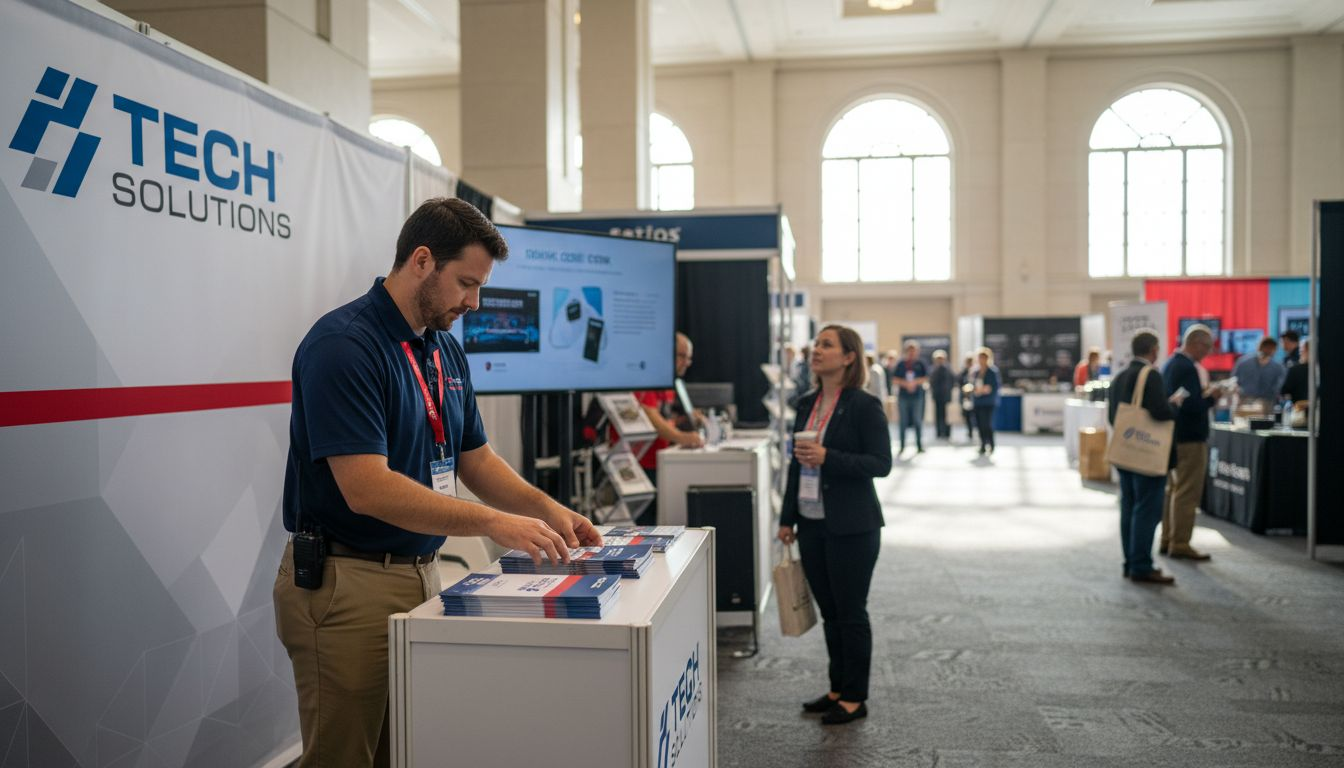
Trade show preparations often bring the challenge of transforming a simple booth into a space that captures attention across busy exhibition halls in cities like Berlin or Amsterdam. For European tech marketing managers, prioritizing booth functionality can be the difference between strong brand visibility and missed connections. Research highlights that booth design plays an important role in attracting visitors and creating a positive business atmosphere, which means rethinking layout, interactive zones, and visual impact delivers better engagement and measurable return.
Table of Contents
- Defining Booth Functionality and Its Role
- Types of Functional Trade Show Booths
- Key Features for Maximum Engagement
- Impact on Brand Visibility and ROI
- Common Pitfalls in Booth Design Choices
Key Takeaways
| Point | Details |
|---|---|
| Booth Functionality Enhances Engagement | Strategic design, including spatial layout and interactive technology, is crucial for effective audience engagement at trade shows. |
| Importance of Color Psychology | Color schemes should be chosen thoughtfully, as they evoke emotional responses that can influence visitor perceptions and interactions. |
| Types of Booths and Their Advantages | Understanding the strengths of different booth types, such as island or corner booths, can significantly impact brand visibility and engagement. |
| Avoid Common Design Pitfalls | Companies should prevent overcrowded layouts and insufficient staff training to ensure effective visitor interactions and successful booths. |
Defining Booth Functionality and Its Role
Trade show booth functionality represents the strategic design and purposeful configuration that transforms a simple display space into a powerful marketing platform. Booth functionality goes far beyond aesthetic appeal, encompassing a comprehensive approach to creating an interactive, engaging environment that effectively communicates a company’s brand message and value proposition.
At its core, booth functionality involves several critical design elements that work synergistically to attract, engage, and convert potential clients. Research from leading experts highlights that successful booth design is a nuanced balance of visual communication, spatial organization, and interactive features. According to studies on trade show booth design, key functional components include:
- Spatial Layout: Creating intuitive navigation paths
- Visual Communication: Strategically using color and branding elements
- Interactive Technology: Implementing digital engagement tools
- Accessibility: Ensuring comfortable visitor interaction zones
- Information Display: Presenting clear, concise messaging
Color psychology plays a particularly significant role in booth functionality. Different color schemes can evoke specific emotional responses, influencing how potential clients perceive and interact with a booth. For instance, blue might communicate professionalism and trustworthiness, while red can signal energy and excitement.
Effective booth functionality transforms a physical space into a dynamic storytelling platform that communicates brand identity within seconds of visitor engagement.
The primary objective of booth functionality is to create an environment that naturally draws attendees, encourages meaningful interactions, and facilitates productive conversations. This involves designing spaces that are not just visually appealing but strategically engineered to support business objectives.
Pro tip: Invest time in pre-event booth design simulations to optimize layout, traffic flow, and interactive zones before the actual trade show.
Types of Functional Trade Show Booths
Trade show booth configurations are not one-size-fits-all, but strategic designs tailored to specific marketing objectives and spatial constraints. Types of exhibition stands play a critical role in determining how effectively companies can communicate their brand message and engage potential clients.
According to the International Association of Exhibitions and Events (IAEE) guidelines, several primary booth types offer unique functional advantages:
- Linear/In-Line Booths:
- Positioned in a single row
- Typically 10×10 feet standard dimensions
- Best for smaller budgets and compact presentations
- Corner Booths:
- Located at intersection points
- Increased visibility from two aisles
- Enhanced traffic flow opportunities
- Island Booths:
- Completely open on all four sides
- Maximum visibility and attendee interaction
- Ideal for comprehensive product demonstrations
- Peninsula Booths:
- Open on three sides
- Provides significant visual exposure
- Suitable for medium to large exhibitors
Each booth type offers distinct strategic advantages depending on exhibit space, budget, and marketing goals. The selection process requires careful consideration of spatial dynamics, audience engagement potential, and brand representation objectives.
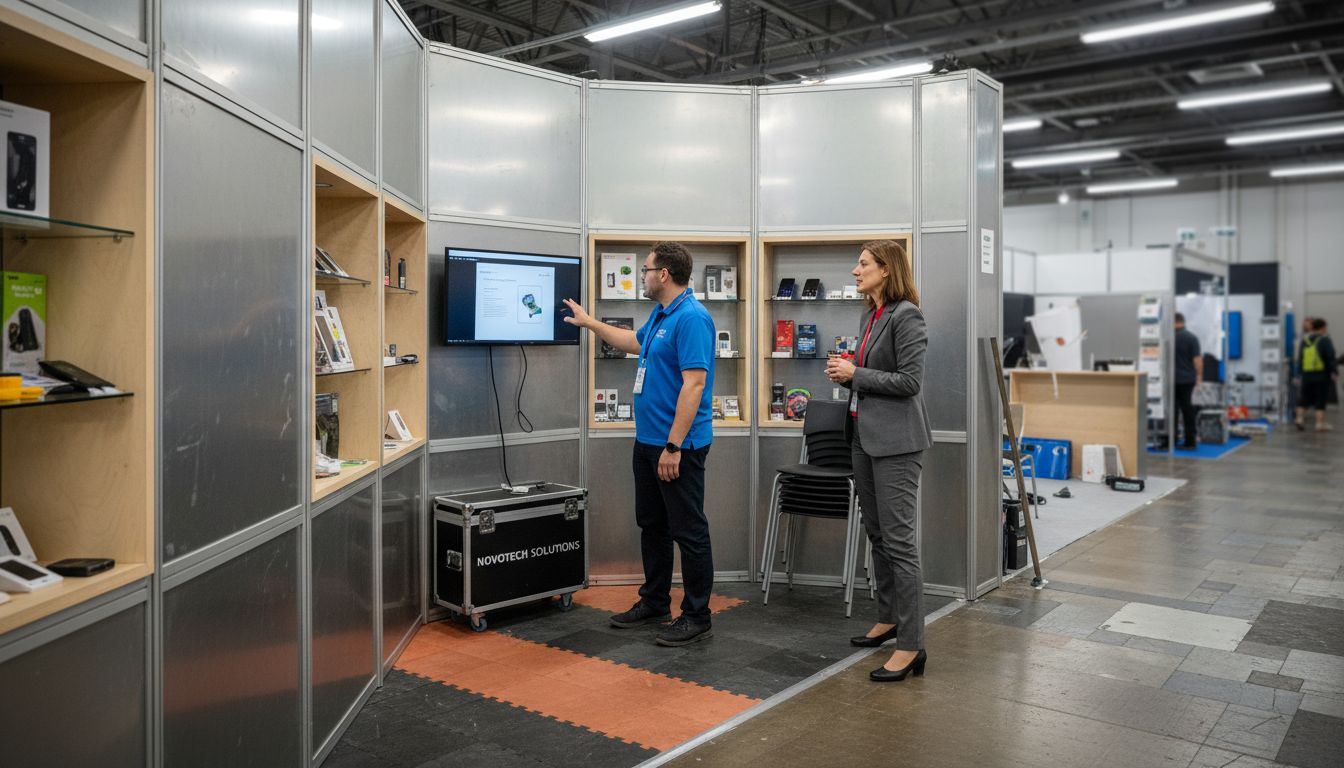
Here’s a quick reference comparing major trade show booth types and their strategic strengths:
| Booth Type | Visibility Level | Ideal For | Key Advantage |
|---|---|---|---|
| Linear/In-Line | Limited to one aisle | Small budgets & compact use | Efficient in tight spaces |
| Corner | Moderate (two aisles) | Brands seeking more traffic | Double-aisle exposure |
| Island | Maximum (all sides) | Interactive demonstrations | Unmatched attendee reach |
| Peninsula | High (three sides) | Medium/large exhibitors | Enhanced exposure |
Choosing the right booth type is not just about space – it’s about creating an immersive brand experience that captures attention within seconds.
Technological integration has become increasingly important in booth functionality. Modern exhibition stands now incorporate digital displays, interactive touchscreens, and multimedia presentations to enhance visitor engagement and information delivery.
Pro tip: Always conduct a comprehensive pre-event booth layout simulation to optimize traffic flow and maximize potential interaction points.
Key Features for Maximum Engagement
Successful trade show booths transform passive displays into dynamic interaction platforms that captivate and convert potential clients. Event branding strategies have evolved dramatically, focusing on creating immersive experiences that go beyond traditional marketing approaches.
Key engagement features that drive meaningful interactions include:
- Interactive Technology:
- Augmented Reality (AR) demonstrations
- Touchscreen product exploration
- Real-time data visualization
- Digital lead capture systems
- Personalization Elements:
- Customized product recommendations
- Interactive visitor profiles
- Tailored presentation experiences
- On-demand content generation
- Experiential Design:
- Multi-sensory booth environments
- Live product demonstrations
- Interactive game-based experiences
- Collaborative engagement zones
Modern booth design prioritizes human-centered interactions that create memorable brand connections. The goal is not just to showcase products but to craft immersive experiences that resonate emotionally and intellectually with potential clients.
Engagement is no longer about information delivery – it’s about creating a narrative that transforms passive observers into active participants.
Technological integration plays a crucial role in contemporary booth functionality. Advanced systems now enable real-time analytics, immediate lead qualification, and personalized follow-up strategies that extend the impact of trade show interactions well beyond the event itself.
Pro tip: Design your booth with multiple interaction points that accommodate different visitor engagement preferences and communication styles.
To help guide booth design choices, below is a summary of booth features and their potential impact on ROI:
| Feature | Primary Business Impact | Enhancement Opportunity |
|---|---|---|
| Interactive Technology | Boosts visitor engagement | Enables data-driven follow-up |
| Personalization | Improves conversion rates | Creates memorable brand experiences |
| Experiential Design | Elevates brand perception | Fosters emotional audience bonds |
Impact on Brand Visibility and ROI
Trade show participation represents a significant investment for businesses, making brand visibility and return on investment critical metrics of success. Research demonstrates that strategic booth design directly correlates with measurable marketing outcomes, transforming these events from simple networking opportunities into powerful brand amplification platforms.
The tangible impact of effective booth functionality can be observed through several key performance indicators:
- Lead Generation Metrics:
- Increased visitor engagement rates
- Higher quality prospect interactions
- More comprehensive contact information collection
- Improved lead-to-conversion ratios
- Brand Perception Indicators:
- Enhanced brand recognition
- Positive audience sentiment
- Memorable brand experiences
- Competitive positioning advantage
- Financial Performance Signals:
- Reduced customer acquisition costs
- Shorter sales cycle duration
- Increased post-event revenue potential
- Measurable marketing spend optimization
Companies that invest in sophisticated booth design typically experience significant competitive advantages. Booth functionality transforms these events from passive display environments into dynamic marketing ecosystems that generate measurable business value.
Effective trade show presence is not about booth size, but about creating meaningful connections that translate directly into business opportunities.
Modern marketing strategies recognize trade shows as sophisticated platforms for brand storytelling and direct customer engagement. Sophisticated booth designs leverage technology, spatial psychology, and targeted messaging to create immersive experiences that resonate far beyond the event itself.
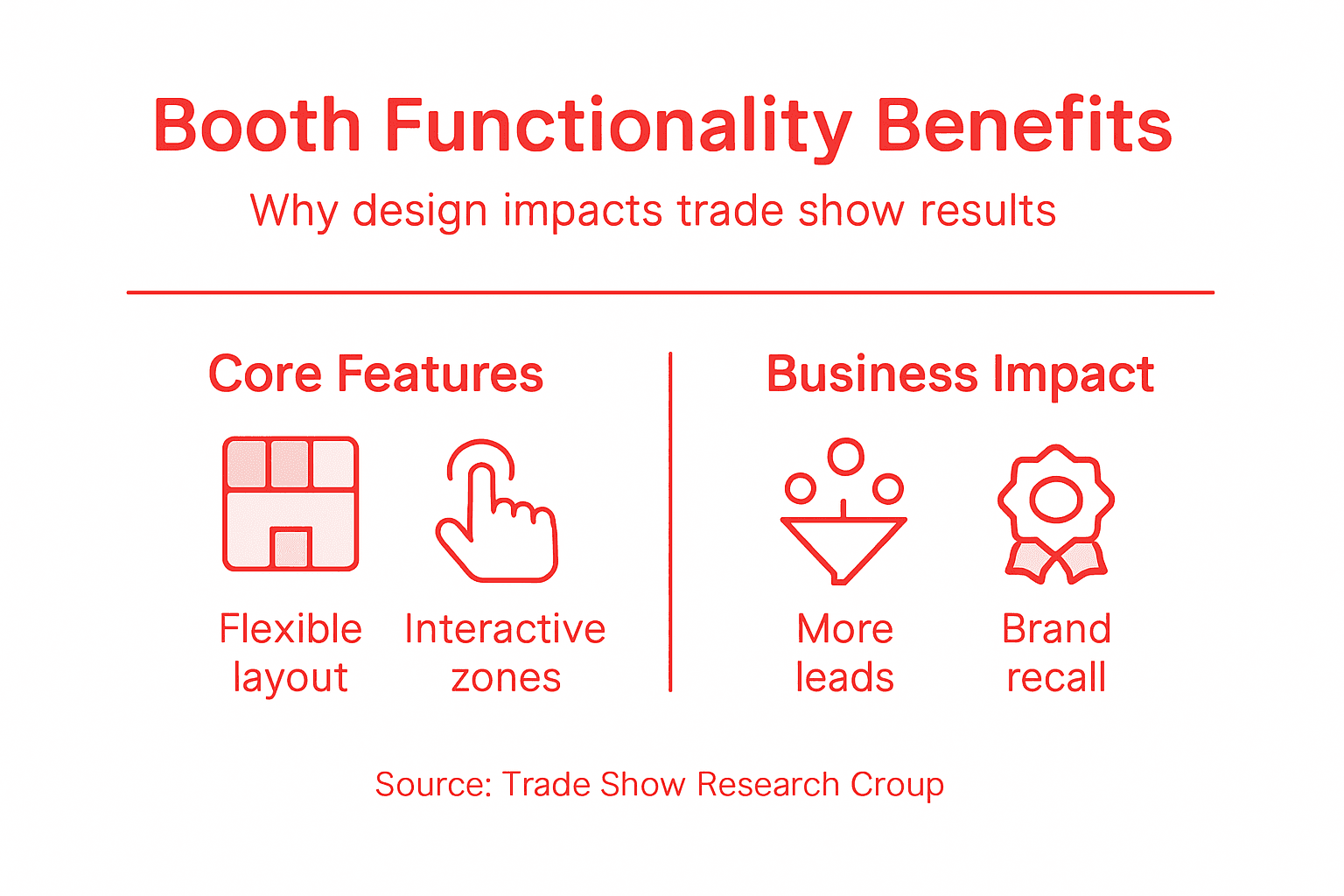
Pro tip: Develop a comprehensive tracking system that measures both quantitative metrics and qualitative engagement indicators to accurately assess trade show performance.
Common Pitfalls in Booth Design Choices
Navigating the complex landscape of trade show booth design requires strategic awareness of potential missteps that can undermine marketing objectives. Effective booth design demands a nuanced understanding of both aesthetic and functional considerations that many organizations overlook.
The most critical design pitfalls that can derail trade show success include:
- Spatial Miscalculations:
- Overcrowded booth layouts
- Insufficient traffic flow zones
- Poor visitor navigation pathways
- Cluttered visual presentation
- Technological Integration Failures:
- Outdated or malfunctioning digital displays
- Incompatible interactive systems
- Inadequate technical support infrastructure
- Poorly planned technology demonstrations
- Staffing and Engagement Errors:
- Unprepared or disinterested booth personnel
- Lack of clear communication protocols
- Insufficient product knowledge
- Minimal visitor interaction strategies
One particularly significant challenge is the human element of booth design. Companies frequently underestimate the importance of staff training and preparedness, which can dramatically impact visitor perception and engagement.
Design failures are rarely about aesthetics alone – they’re about missed opportunities for meaningful connection.
Many organizations approach trade show booths as static marketing tools, failing to recognize them as dynamic platforms for brand storytelling and customer interaction. This narrow perspective leads to design choices that prioritize appearance over functionality, ultimately diminishing potential marketing impact.
Pro tip: Conduct comprehensive pre-event simulations and staff training to identify and mitigate potential booth design weaknesses before the actual trade show.
Elevate Your Trade Show Success with Expert Booth Functionality Solutions
The article highlights the critical challenge of converting a trade show booth into a dynamic brand experience through thoughtful booth functionality. Key pain points such as optimizing spatial layout, integrating interactive technology, and enhancing visitor engagement require more than just aesthetic design. Your booth must be a strategic tool that attracts, holds attention, and converts visitors into meaningful leads while accurately reflecting your brand identity.
At Adam Expo Stand, we specialize in addressing these exact challenges by providing custom and modular booth solutions tailored to your unique marketing goals. Our comprehensive services include everything from conceptual design and 3D visualization to on-site assembly and project management, ensuring your booth is not only visually impactful but functionally superior. Explore how our exhibition stand design and fabrication expertise help you avoid common pitfalls in booth design, maximize visitor flow, and create memorable interactive experiences.
Are you ready to transform your trade show presence into a high-impact marketing asset that delivers measurable ROI? Don’t leave your success to chance. Discover how Adam Expo Stand can craft a booth that perfectly balances form and function. Visit Adam Expo Stand today to start planning your next-level trade show booth that truly prioritizes booth functionality and brand engagement.
Frequently Asked Questions
What is booth functionality?
Booth functionality refers to the strategic design and configuration of a trade show booth that transforms it into an engaging and interactive marketing platform, focusing on attracting and converting potential clients.
Why is spatial layout important in booth design?
Spatial layout creates intuitive navigation paths that enhance visitor flow and interaction, enabling attendees to easily explore the booth and engage with your brand.
How can technology improve booth functionality?
Incorporating interactive technology, such as digital displays and augmented reality, enhances visitor engagement, facilitates data capture, and creates memorable brand experiences during trade shows.
What common mistakes should be avoided in booth design?
Common mistakes include overcrowded layouts, outdated technology, unprepared staff, and poor visual presentation, all of which can hinder visitor interaction and engagement.


