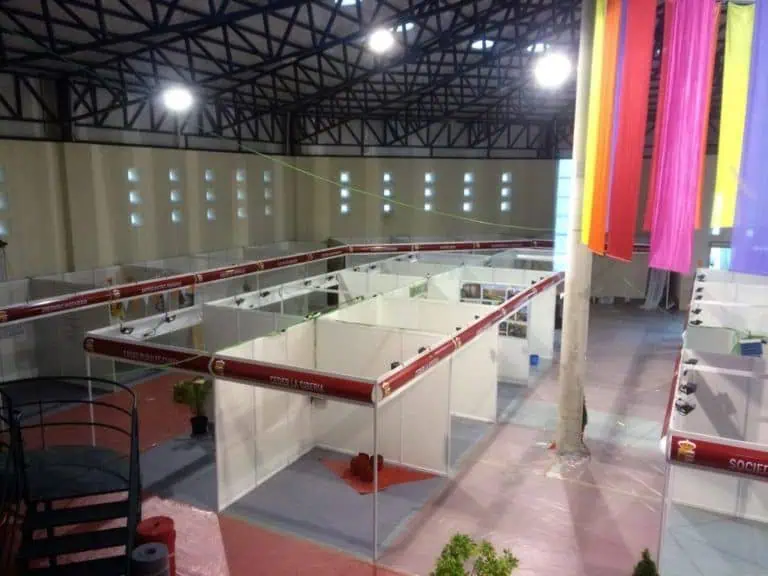
Why Invest in Exhibition Displays for Tech Brands
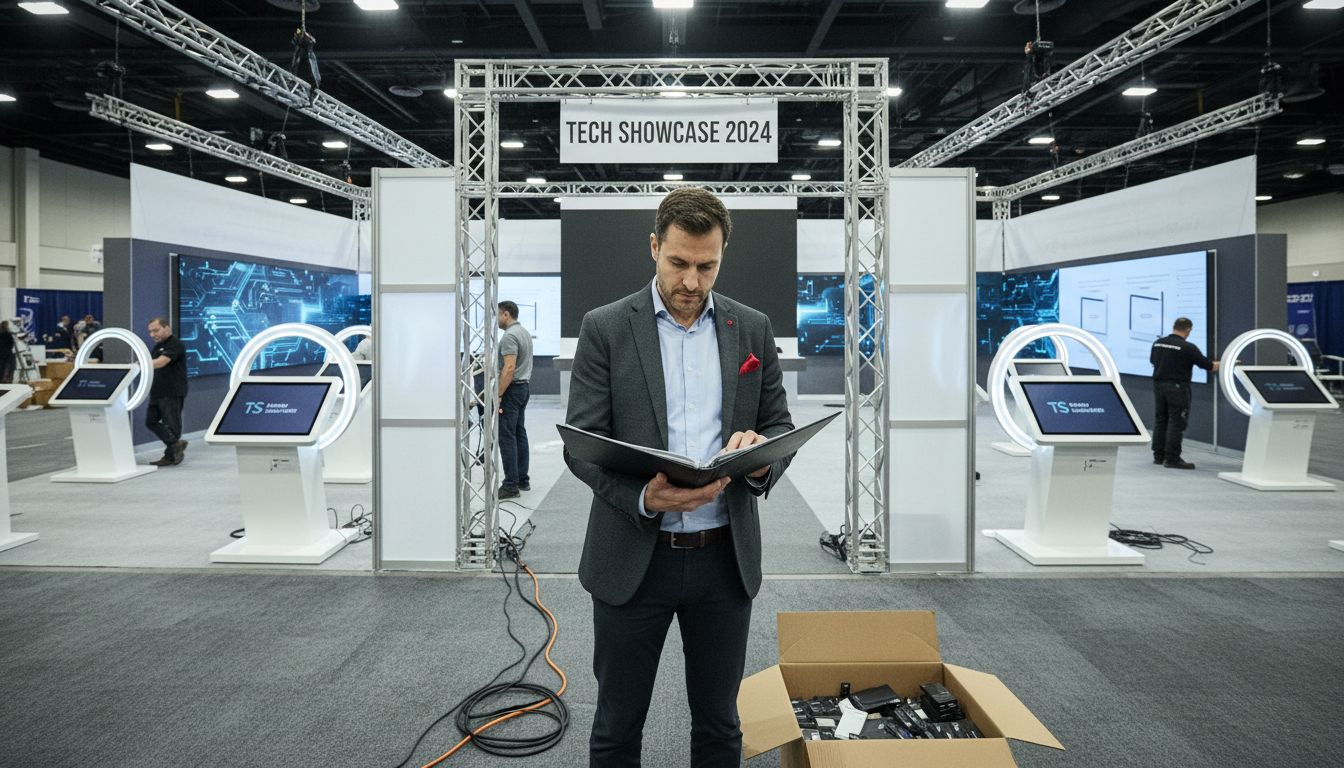
Preparing for a major trade show often means facing crowded halls where every technology brand fights for attention. For European marketing managers, the challenge is clear. You need more than a basic booth to stand out. Exhibition displays are immersive marketing tools that transform passive visitors into active brand supporters by combining creative design, technology, and interactive media. Discover how purpose-driven displays can communicate your story and help you connect with industry professionals on a deeper level.
Table of Contents
- What Are Exhibition Displays and Their Purpose
- Major Types of Exhibition Displays Explained
- How Display Investments Advance Brand Goals
- Evaluating ROI and Cost of Exhibition Displays
- Common Pitfalls When Investing in Displays
Key Takeaways
| Point | Details |
|---|---|
| Exhibition Displays as Strategic Tools | Exhibition displays are essential for effectively communicating a brand’s narrative and engaging audiences at trade shows. |
| Types of Displays | Technology brands should choose from various display formats, each tailored to their marketing objectives and event needs. |
| Investment in Display Design | Strategic investments in exhibition displays yield significant returns through enhanced brand visibility, customer engagement, and market differentiation. |
| Avoiding Common Pitfalls | Brands must conduct thorough research and plan strategically to prevent common mistakes that can undermine the effectiveness of their exhibition investments. |
What Are Exhibition Displays and Their Purpose
Exhibition displays are strategic marketing tools designed to communicate a brand’s story, products, and value proposition in trade show and conference environments. These purpose-built structures transform standard spaces into immersive brand experiences that capture audience attention and drive meaningful engagement.
At their core, exhibition displays serve several critical functions for technology brands:
- Visual Communication: Translate complex technical concepts into compelling visual narratives
- Brand Positioning: Create memorable brand impressions within competitive industry settings
- Customer Interaction: Design interactive spaces that encourage direct conversations with potential clients
- Product Showcase: Highlight product features through innovative physical and digital presentation techniques
These displays go far beyond simple booth setups. They are carefully engineered environments that combine architectural design, graphic communication, and strategic marketing principles. Modern exhibition displays leverage multimedia elements, interactive technologies, and thoughtful spatial design to create engaging experiences that resonate with professional audiences.
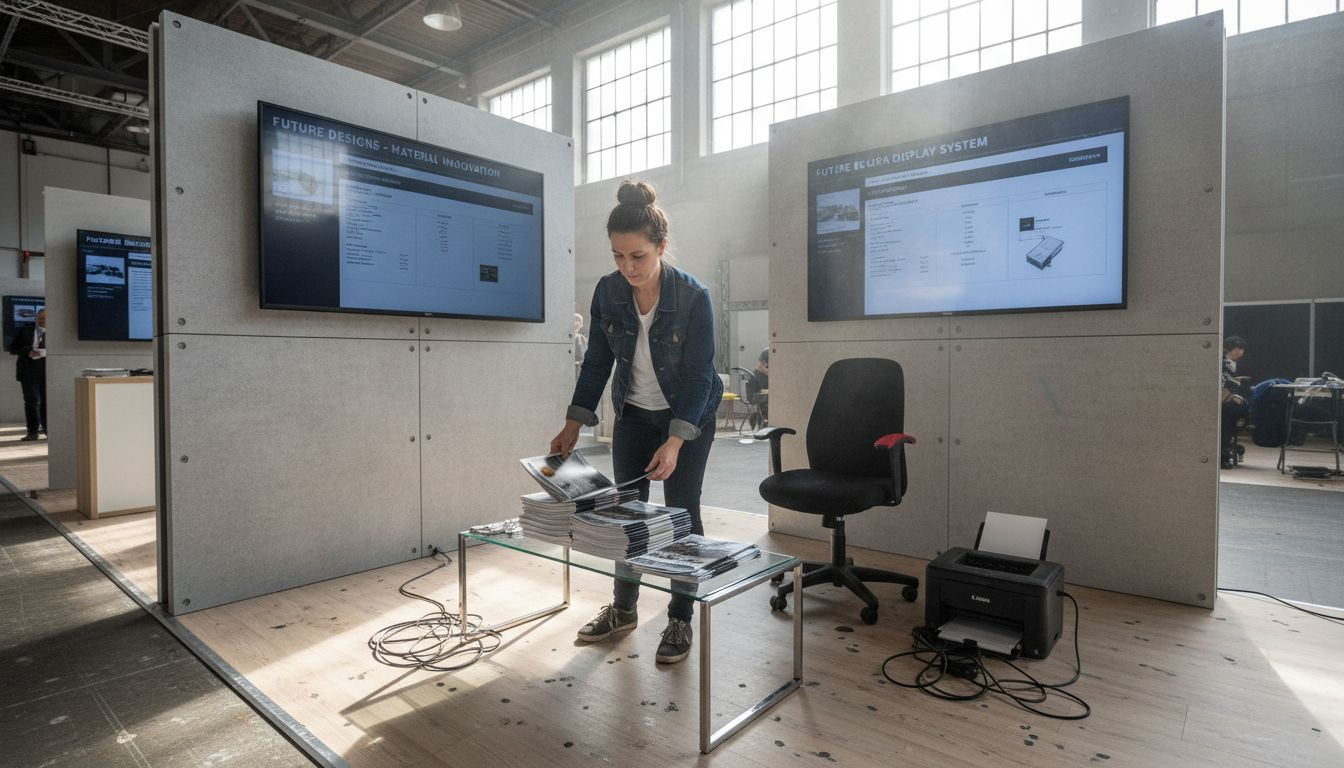
Technology brands specifically benefit from understanding different exhibition stand types that can be tailored to their specific marketing objectives. Each display type offers unique advantages for presenting technical innovations, from modular designs that emphasize flexibility to custom builds that communicate brand sophistication.
Technology Exhibition Display Characteristics:
- Incorporate digital interfaces and interactive demos
- Use clean, minimalist design reflecting tech industry aesthetics
- Support multiple engagement formats (individual and group interactions)
- Integrate seamless technological presentations
Exhibition displays transform passive viewing into active brand experiences, turning brief encounters into lasting professional connections.
Pro tip: Plan your exhibition display as a strategic communication platform, not just a physical space – every element should intentionally support your brand’s narrative and engagement goals.
Major Types of Exhibition Displays Explained
Technology brands have multiple exhibition display formats available, each designed to meet specific marketing objectives and showcase products with maximum impact. The selection of an appropriate display type can dramatically influence audience engagement and brand perception at trade shows and conferences.
The most common exhibition display types for tech companies include:
- Modular Displays: Flexible, reconfigurable stands that adapt to different event spaces and branding requirements
- Custom-Built Stands: Fully personalized, architecturally designed displays that create unique brand environments
- Portable Pop-Up Displays: Lightweight, easy-to-transport solutions ideal for smaller events and quick setup
- Interactive Digital Displays: Technology-driven exhibits featuring touchscreens, augmented reality, and immersive multimedia experiences
These display types offer varying levels of complexity and investment. Understanding the nuanced characteristics of exhibition stands helps technology brands select the most appropriate solution for their specific marketing goals and budget constraints.
Key Considerations for Display Selection:
- Booth size and event venue restrictions
- Budget allocation for display design and construction
- Required technological integration capabilities
- Frequency of event participation
- Transportation and storage logistics
Each display type brings unique advantages to technology brand marketing. Modular displays provide exceptional flexibility, allowing companies to reconfigure their space for different events. Custom-built stands offer maximum brand storytelling potential, creating immersive environments that deeply communicate a company’s innovation and personality.
Here’s how major exhibition display types compare for technology brands:
| Display Type | Flexibility & Setup | Impact on Brand Perception | Best Use Case |
|---|---|---|---|
| Modular Displays | Easily reconfigurable | Consistent, adaptable image | Frequent events, changing layouts |
| Custom-Built Stands | Fixed, complex setup | High-end, unique presence | Major launches, premium positioning |
| Portable Pop-Up | Effortless, quick | Modest, approachable | Small-scale or regional events |
| Interactive Digital | Requires tech support | Innovative, engaging | Tech demos, high interactivity needs |
Successful exhibition displays transform physical spaces into powerful brand communication platforms, turning brief interactions into memorable experiences.
Pro tip: Invest time in strategic planning and prototype testing before committing to a specific exhibition display type to ensure optimal alignment with your brand’s visual identity and marketing objectives.
How Display Investments Advance Brand Goals
Exhibition display investments represent strategic marketing opportunities that go far beyond simple visual presentations. These purposeful investments enable technology brands to transform passive interactions into dynamic, memorable brand experiences that drive long-term business growth and market positioning.
Key brand objectives advanced through strategic display investments include:
- Brand Visibility: Creating distinctive visual identities that stand out in crowded industry events
- Customer Engagement: Designing interactive spaces that facilitate meaningful professional connections
- Product Storytelling: Communicating complex technological innovations through immersive narrative experiences
- Market Differentiation: Establishing unique brand personalities that distinguish companies from competitors
Technology brands can enhance event branding strategies by understanding how exhibition displays serve as powerful communication platforms. Each display becomes a three-dimensional extension of the brand’s core messaging, translating abstract technical concepts into tangible, compelling narratives.
Strategic Brand Advancement Metrics:
- Increased audience recall and recognition
- Enhanced perception of brand innovation
- Improved lead generation potential
- Higher engagement duration at industry events
- Strengthened competitive positioning
Successful display investments create multisensory brand experiences that transcend traditional marketing approaches. By strategically designing exhibits that blend visual aesthetics, technological integration, and interactive storytelling, companies can transform brief event encounters into lasting professional relationships.
Exhibition displays are not mere physical structures, but strategic communication tools that convert momentary interactions into long-term brand equity.
Pro tip: Approach exhibition display investments as comprehensive brand communication strategies, allocating resources not just for visual appeal but for creating meaningful, memorable audience experiences.
Evaluating ROI and Cost of Exhibition Displays
Exhibition display investments require comprehensive financial analysis that extends far beyond simple cost calculations. Technology brands must develop nuanced approaches to measuring both tangible financial returns and intangible brand value generated through strategic trade show presentations.
Key financial considerations for exhibition display investments include:
-
Direct Cost Components:
- Initial display design and fabrication expenses
- Transportation and logistics costs
- Installation and dismantling fees
- Ongoing maintenance and storage requirements
-
Return Measurement Metrics:
- Number of qualified leads generated
- Direct sales conversations initiated
- Brand awareness and media impressions
- Long-term relationship development opportunities
Strategic investments in trade show booths demand meticulous planning and comprehensive financial tracking. Successful technology brands approach exhibition displays as sophisticated marketing investments with measurable performance indicators.
ROI Calculation Framework:
- Calculate total display investment
- Track lead generation costs
- Measure conversion rates
- Assign monetary value to brand exposure
- Compare against alternative marketing channels
Companies should view exhibition displays as strategic assets that generate value through multiple channels. Beyond immediate sales potential, these investments create opportunities for networking, brand positioning, and market intelligence gathering that compound over time.
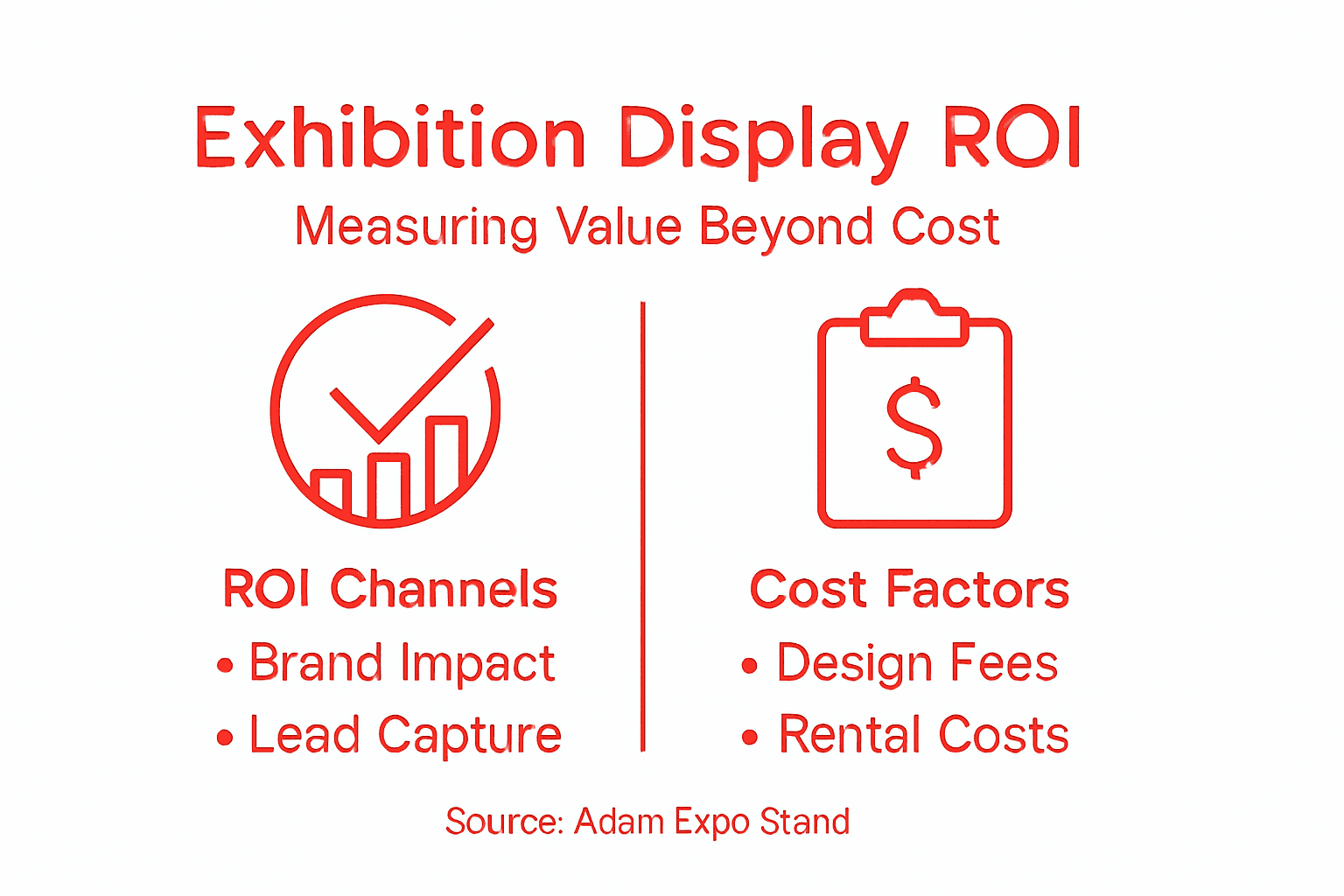
This table summarizes key ROI calculation steps and their strategic purpose:
| Step in ROI Calculation | Purpose for Tech Brands | Example Data Tracked |
|---|---|---|
| Calculate Total Investment | Understand full cost commitment | Design + logistics expenses |
| Track Lead Generation Cost | Assess efficiency of outreach efforts | Cost per qualified lead |
| Measure Conversion Rates | Evaluate success of engagement | % leads turning to clients |
| Assign Value to Brand Exposure | Quantify awareness and media impact | Estimated impressions value |
| Compare to Other Channels | Inform future budgeting and allocations | ROI vs. digital campaigns |
Effective exhibition display investments transform marketing expenses into strategic growth opportunities, generating returns that extend far beyond traditional performance metrics.
Pro tip: Develop a comprehensive tracking system that captures both quantitative financial metrics and qualitative brand engagement indicators to gain a holistic understanding of your exhibition display investments.
Common Pitfalls When Investing in Displays
Technology brands frequently encounter critical investment mistakes when developing exhibition displays that can undermine their marketing effectiveness and waste valuable resources. Recognizing and preemptively addressing these common pitfalls is essential for creating impactful trade show experiences that deliver meaningful business results.
Key exhibition display investment pitfalls include:
-
Strategic Missteps:
- Inadequate audience research
- Misaligned brand messaging
- Overlooking event-specific requirements
- Neglecting technological integration capabilities
-
Financial Vulnerabilities:
- Underestimating total cost of ownership
- Failing to budget for long-term maintenance
- Choosing lowest-cost solutions over strategic value
- Ignoring potential reusability and adaptability
Avoiding common exhibition stand design errors requires systematic planning and a holistic understanding of trade show dynamics. Successful technology brands approach display investments as comprehensive strategic initiatives rather than isolated marketing expenses.
Critical Evaluation Checkpoints:
- Validate display alignment with brand identity
- Assess technological compatibility
- Calculate comprehensive cost projections
- Review historical performance metrics
- Plan for multiple event scenario adaptations
Most exhibition display investment failures stem from short-term thinking and insufficient strategic preparation. Companies must view these investments as dynamic platforms for brand storytelling, not just static architectural elements.
Effective exhibition displays are living communication tools that require continuous refinement, not one-time purchases.
Pro tip: Develop a comprehensive display investment strategy that prioritizes flexibility, technological adaptability, and long-term brand storytelling potential over immediate visual appeal.
Elevate Your Tech Brand with Expert Exhibition Display Solutions
Investing in exhibition displays goes beyond creating just a physical presence. The challenge many technology brands face is transforming complex technical innovations into memorable and engaging brand experiences that truly stand out at trade shows. Whether you are aiming to increase brand visibility, foster meaningful customer engagement, or showcase your products with immersive storytelling, strategic display planning is essential to avoid costly pitfalls and maximize your event ROI.
At Adam Expo Stand, we understand these critical marketing goals and pain points. Our personalized approach includes crafting custom and modular exhibition stands designed to reflect your brand identity while integrating interactive technology that captures professional audiences. From initial conceptual design and 3D visualization to on-site assembly and logistics management, our turnkey services cover every detail so you can focus on building long-term business relationships.
Discover how our comprehensive solutions can help you create impactful experiences that turn event interactions into lasting brand equity. Explore our custom exhibition stand design and learn about how investing in trade show booths transforms your marketing strategy. Don’t let common display investment mistakes hold you back. Visit Adam Expo Stand today to start building an exhibition presence that commands attention and drives growth.
Frequently Asked Questions
What are exhibition displays and why are they important for tech brands?
Exhibition displays are marketing tools designed to visually communicate a brand’s story and products at trade shows. They create immersive brand experiences, serve to engage audiences, and help in effectively positioning technology brands in competitive settings.
What are the major types of exhibition displays suitable for technology brands?
The major types of exhibition displays for tech brands include modular displays, custom-built stands, portable pop-up displays, and interactive digital displays. Each type serves different marketing objectives and can influence audience engagement differently.
How do exhibition displays enhance brand visibility and customer engagement?
Exhibition displays enhance brand visibility by creating distinctive visual identities that stand out at events. They also facilitate customer engagement by designing interactive spaces that encourage meaningful conversations and connections between brands and potential clients.
What should technology brands consider when investing in exhibition displays?
When investing in exhibition displays, technology brands should consider factors like booth size, budget, technological integration, event participation frequency, and logistics for transportation and storage. These considerations ensure the display aligns with marketing objectives and operational capabilities.
Recommended
- 7 Event Branding Ideas to Boost Trade Show Engagement
- Display Technology’s Impact on Modern Exhibitions
- The Essential Guide to Investing in Trade Show Booths
- The Ultimate Guide to Trade Booth Rental Design in Europe | Adam Expo Stand Solutions
- The Top Camera Light Makes and Models of 2025 – Amateur Photographer Guide