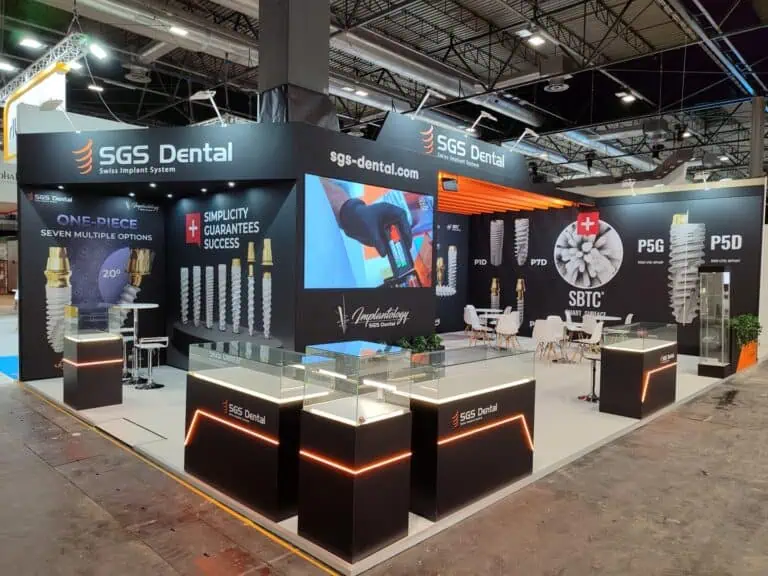
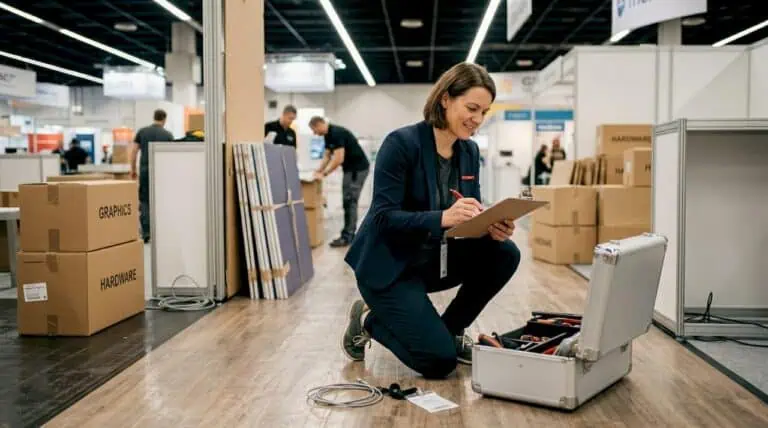
Unlock trade show success with modular display systems
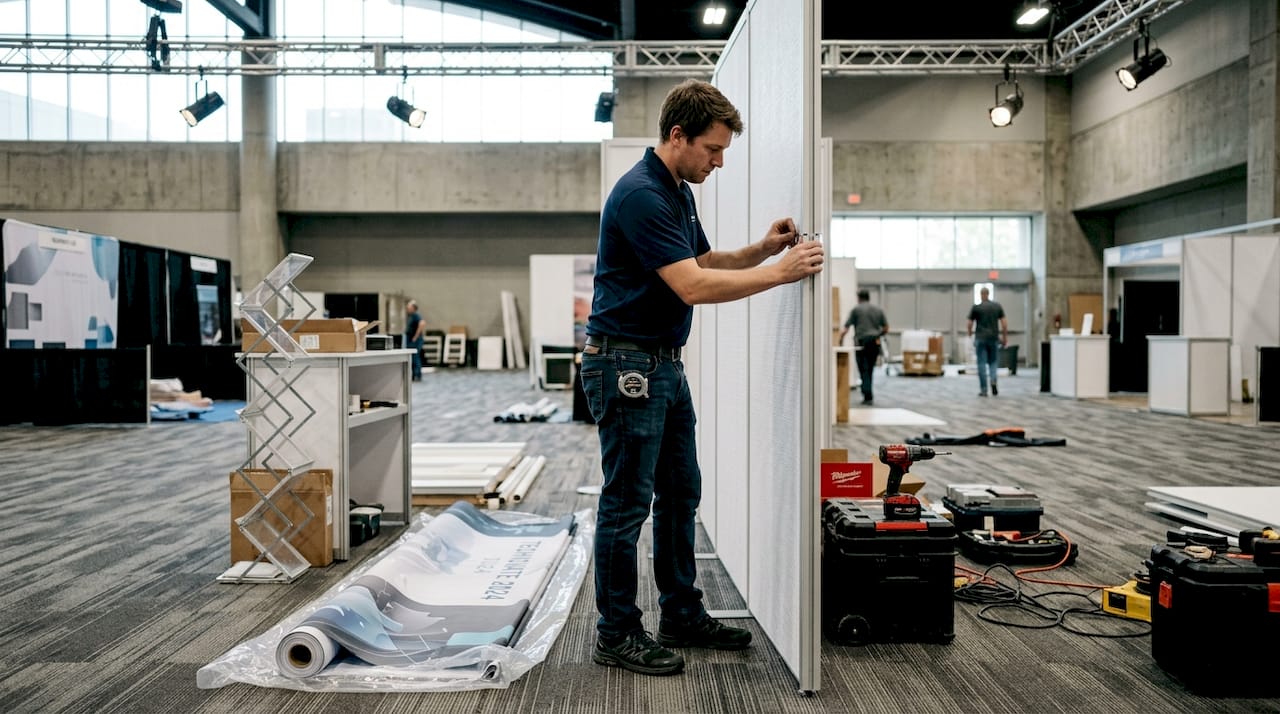
Modular display systems carry an outdated reputation: generic, limited, and best suited for small budgets. That perception is simply wrong. Today’s modular systems are sophisticated, brand-forward platforms that function as a three-dimensional billboard and a strategic launchpad for your trade show program. For marketing and brand managers who exhibit at multiple events per year, the right modular system can reduce costs significantly, accelerate setup, and give your team the creative flexibility to adapt messaging from show to show. This guide breaks down everything you need to know, from core components to ROI calculations, so you can make a confident, data-backed decision.
Table of Contents
- What are modular display systems?
- How modular systems maximize trade show ROI
- Modular vs. custom displays: Which is right for you?
- Maximizing brand impact with modular displays
- Operational tips for a seamless modular display experience
- Why the real ROI of modular displays goes beyond cost savings
- Get started with modular solutions for your trade shows
- Frequently asked questions
Key Takeaways
| Point | Details |
|---|---|
| Modular systems explained | Modular display systems are flexible booth frameworks made up of reusable components for easy customization. |
| Significant cost savings | Switching to modular can cut trade show display expenses by 20-40 percent and pays off with frequent use. |
| Brand adaptability | Modular displays enable marketing teams to update layouts and graphics for each event with ease. |
| When to choose custom | Custom displays are best for one-off, high-profile events where maximum uniqueness is essential. |
| Operational efficiency | With planning, modular setups reduce labor, transport, and waste for streamlined trade show experiences. |
What are modular display systems?
A modular display system is a configurable exhibit built from standardized, interchangeable components that can be assembled, reconfigured, and reused across multiple events. Unlike a traditional custom booth, which is engineered as a single fixed structure, a modular system is designed to be flexible by nature.
The core components of a typical modular system include:
- Structural frames: Aluminum or lightweight alloy extrusions that form the skeleton of the booth
- Panels: Fabric, acrylic, or rigid graphic panels that attach to the frame and carry your brand visuals
- Connectors and hardware: Locking joints and fasteners that allow rapid assembly without specialized tools
- Integrated accessories: Shelving, monitor mounts, lighting rails, and counter units that slot into the frame system
- Graphics packages: Printed or digital graphic skins that can be swapped between events
The key difference between modular and custom exhibits lies in intent. A custom booth is built for a single configuration, optimized for one specific event or space. A modular system, by contrast, is engineered for adaptability, allowing you to scale up for a large flagship show and scale down for a regional event using the same core components.
One common misconception is that modular means generic. Modern systems, explored in detail in this modular booth system guide, offer high-resolution graphics, curved structures, and integrated digital elements that rival the visual impact of fully custom builds. As research confirms, modular systems are ideal for multi-show exhibitors attending three or more events per year who prioritize cost-efficiency, sustainability, and flexibility. Explore the full range of options available through modular exhibition stands to see how far the technology has advanced.
How modular systems maximize trade show ROI
Armed with an understanding of what modular displays are, let’s look at why they’re a smart financial investment, especially for ongoing trade show schedules.
The financial case for modular systems is compelling. When you account for design, fabrication, shipping, storage, and installation across multiple events, the numbers shift dramatically in favor of modular.
| Cost factor | Custom booth | Modular system |
|---|---|---|
| Initial build cost | High | Moderate |
| Per-event shipping | High (full crate) | Low (flat-pack) |
| Reconfiguration cost | Very high | Minimal |
| Storage requirements | Large warehouse | Compact storage |
| Graphic refresh cost | Full rebuild | Panel swap only |
The data is clear: modular systems cost 30 to 60% less than custom builds over multiple shows, with exhibitors reporting a 20 to 40% reduction in total event expenses. For teams running six or more shows per year, the investment typically pays off within 18 to 24 months.
Key stat: The modular approach delivers measurable ROI through reusability, with the payback period accelerating as your event calendar grows.
The modular booth ROI calculation becomes even more favorable when you factor in reduced labor costs. Modular systems are designed for fast assembly, which cuts on-site labor hours significantly. Shipping costs also drop because flat-pack components occupy far less freight volume than a traditional custom crate.
For brands committed to sustainable modular stands, the environmental savings add another layer of value, reducing material waste and carbon footprint across your entire event program.
Pro Tip: Calculate your total cost of ownership over a two to three year horizon before comparing modular and custom quotes. The up-front price difference is rarely the full story.
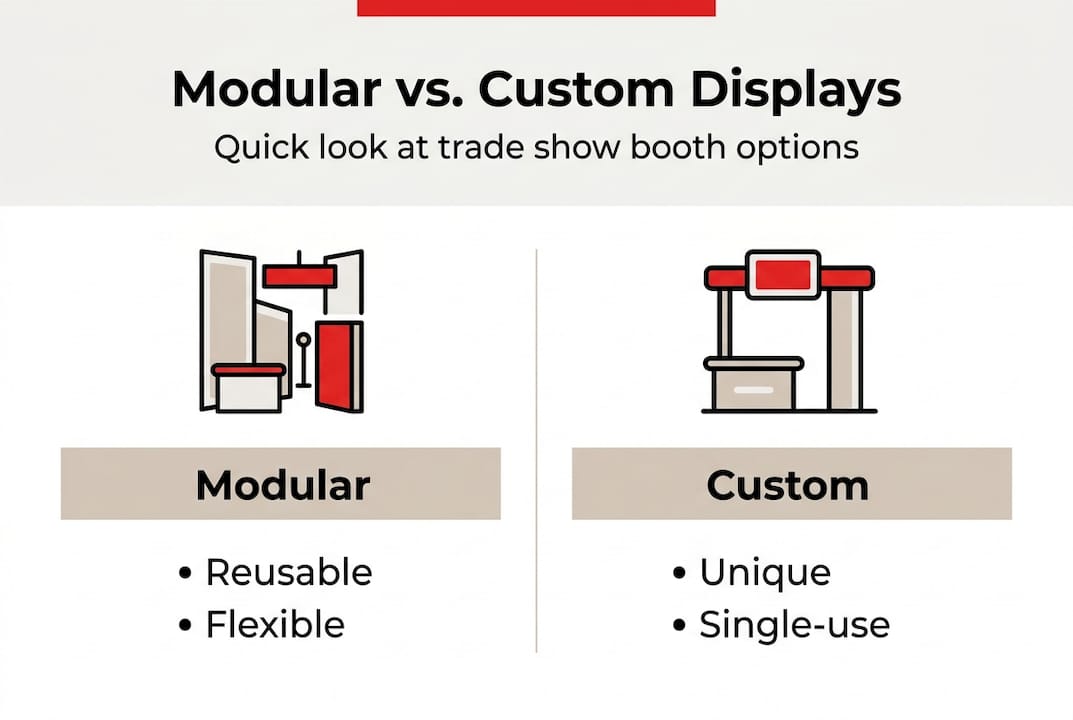
Modular vs. custom displays: Which is right for you?
Cost isn’t the only factor. Let’s compare modular and custom displays side-by-side to help you choose the best fit for your specific situation.
| Criteria | Modular | Custom |
|---|---|---|
| Flexibility | High, reconfigurable | Low, fixed design |
| Lead time | Short (weeks) | Long (months) |
| Cost over 3+ shows | Lower | Higher |
| Uniqueness | Moderate to high | Maximum |
| Sustainability | Strong | Limited |
| Setup complexity | Low | High |
The choice between modular and custom ultimately comes down to your event strategy. Consider modular when:
- You exhibit at three or more events per year
- Your booth footprint varies across different venues
- You need to refresh messaging or product focus between shows
- Sustainability is a stated corporate priority
- You want to reduce dependency on specialized installation crews
Custom exhibits remain the right call for single flagship events where maximum brand differentiation is non-negotiable. A product launch at a major industry expo, for example, may justify the premium investment in a fully bespoke structure. As confirmed by industry analysis, custom is better for single flagship events needing maximum uniqueness.
“The market is shifting decisively toward modular solutions, driven by sustainability mandates and the demand for operational agility across multi-event programs.”
Understanding the benefits of modular booth rental is also worth exploring if ownership isn’t the right model for your current budget. You can review a detailed breakdown of modular vs custom displays and explore the strategic logic behind choosing modular stands for your event portfolio.
Maximizing brand impact with modular displays
After choosing the right system, it’s critical to know how to leverage modularity for maximum brand benefit. Flexibility only creates value when it’s used intentionally.
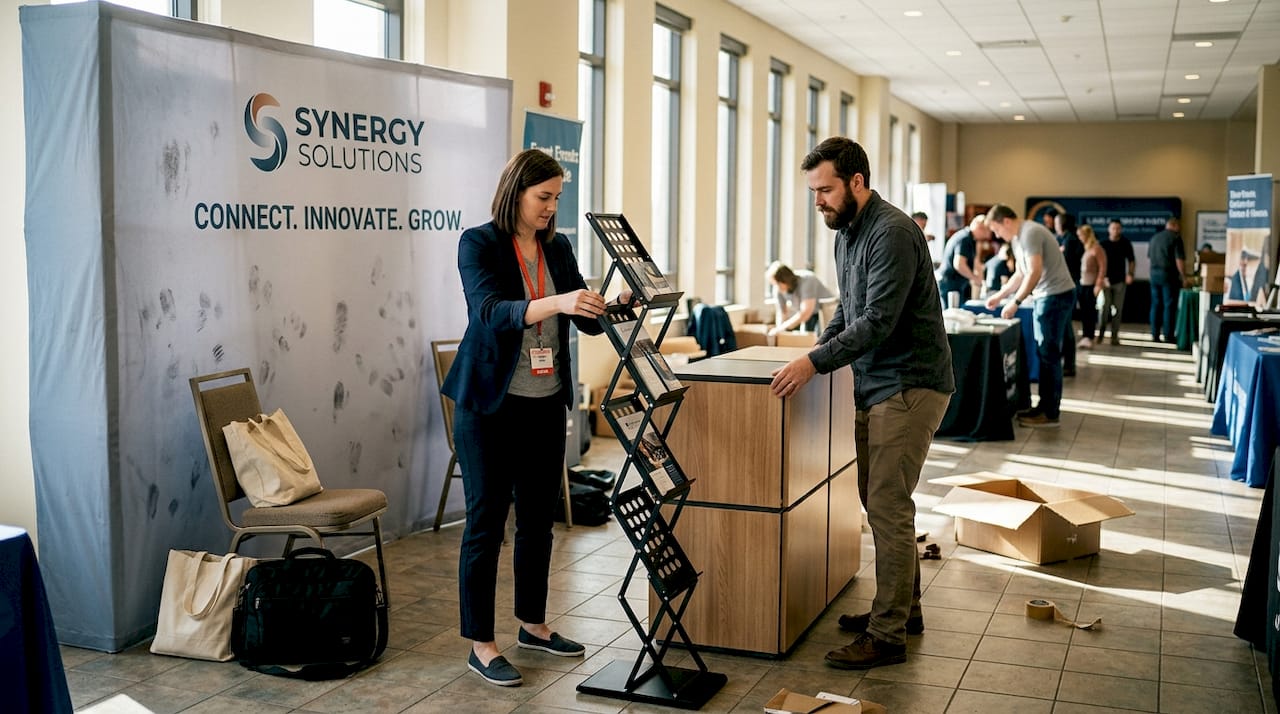
The modular stand market is projected to reach $2.4 billion by 2033, growing at a 7% compound annual growth rate, driven by sustainability and reusability demands. That growth reflects a broader industry recognition that modular systems can deliver genuine brand impact, not just operational convenience.
Here are the most effective strategies for maximizing brand impact with modular displays:
- Use mix-and-match graphic panels to create distinct visual themes for different product lines or campaigns without rebuilding the entire structure
- Integrate digital elements such as LED screens, interactive kiosks, or video walls directly into the modular frame to create immersive experiences
- Apply consistent brand color schemes across all panels and accessories to reinforce brand consistency regardless of booth size or configuration
- Design for multiple footprints by planning your graphic system to work in both 10×10 and 20×20 configurations from the start
- Incorporate modular lighting to direct visitor attention toward priority products or demonstration zones
Explore modular booth ideas to see how leading exhibitors are pushing creative boundaries with customizable modular stands that adapt to fast-evolving brand needs.
Pro Tip: Before each event, review your marketing priorities and reconfigure your booth layout to spotlight the product or campaign most relevant to that specific audience. Modularity makes this a one-day task, not a full redesign.
Operational tips for a seamless modular display experience
Now let’s translate strategy into action with a streamlined playbook for your next event.
Successful modular deployments depend on preparation and process. The system’s flexibility is only an advantage if your team knows how to use it efficiently.
- Build a pre-event checklist that covers component inventory, graphic condition, hardware completeness, and shipping documentation at least two weeks before the show
- Conduct a dry-run assembly at your facility before the event to identify missing parts, damaged panels, or configuration issues in a low-pressure environment
- Label every component clearly using a numbering system that maps to your assembly diagram, so on-site setup is fast and error-free
- Plan for on-site adjustments by bringing spare connectors, extra graphics, and basic tools to handle last-minute layout changes
- Establish a breakdown protocol that mirrors your setup process in reverse, ensuring components are packed correctly to prevent damage during transport
- Invest in purpose-built storage cases that protect panels and frames during transit and stack efficiently in a standard storage unit
For multi-show exhibitors running three or more events per year, process consistency is what separates smooth deployments from costly on-site problems. A detailed modular stand workflow can serve as the operational backbone for your entire event program.
Pro Tip: Assign one dedicated team member as your modular system specialist. That person should master every reconfiguration option and own the pre-event checklist. Institutional knowledge pays dividends across every show.
Why the real ROI of modular displays goes beyond cost savings
Operational efficiency and cost reduction are the metrics most teams track. They’re important, but they’re not the full picture. The deeper value of modular systems lies in organizational agility.
When your exhibit infrastructure is flexible, your marketing team gains the ability to test new booth configurations, messaging hierarchies, and product presentation strategies across different events. That’s a form of live market research that custom exhibits simply can’t support at the same cost. Each show becomes a data point, informing smarter decisions for the next one.
Most brand managers underestimate the creative opportunities that modularity unlocks. The ability to pivot quickly, to respond to a competitor’s move or a new product launch with a reconfigured booth in weeks rather than months, is a genuine competitive advantage. We’ve observed that teams who embrace real modular stand value as a strategic asset, not just a budget tool, consistently outperform those who treat it as a compromise. Champion modular thinking across your organization, from procurement to creative, and the returns compound over time.
Get started with modular solutions for your trade shows
Ready to put modular displays to work for your brand? Here’s how to take the next step.
At Adam Expo Stand, we specialize in designing and building modular exhibit systems that deliver both creative impact and operational efficiency across Europe’s major trade show venues. Whether you’re planning your first modular deployment or optimizing an existing system for a packed 2026 event calendar, our team brings the design expertise, manufacturing capability, and on-site support to make it work. Explore our full range of modular display solutions and connect with our team for a personalized strategy session. We’ll help you build a system that performs at every show, not just the first one.
Frequently asked questions
How long does it take to set up a modular display system?
Setup for most modular display systems takes between two and four hours with a small team, requiring minimal specialized labor compared to traditional custom booths. Following a structured setup workflow reduces that time further with each successive event.
Can modular displays be customized for different events?
Yes, panels and graphics can be swapped, reconfigured, or reprinted to create entirely new layouts and fresh brand messaging at each event. Explore modular booth ideas to see how far creative customization can go within a modular framework.
How do modular display systems support sustainability goals?
Modular systems are engineered for repeated use across many events, dramatically reducing material waste compared to single-use custom builds. The modular stand market’s growth to $2.4B by 2033 is driven largely by corporate sustainability mandates.
When does it make sense to choose custom over modular?
Choose a custom exhibit for flagship or one-off events where maximum uniqueness and brand differentiation are the primary objectives. As industry data confirms, custom is best reserved for single high-stakes events where no compromise on visual distinction is acceptable.