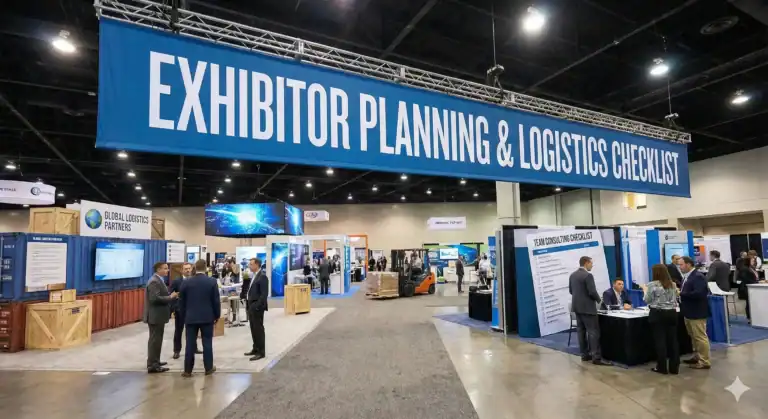
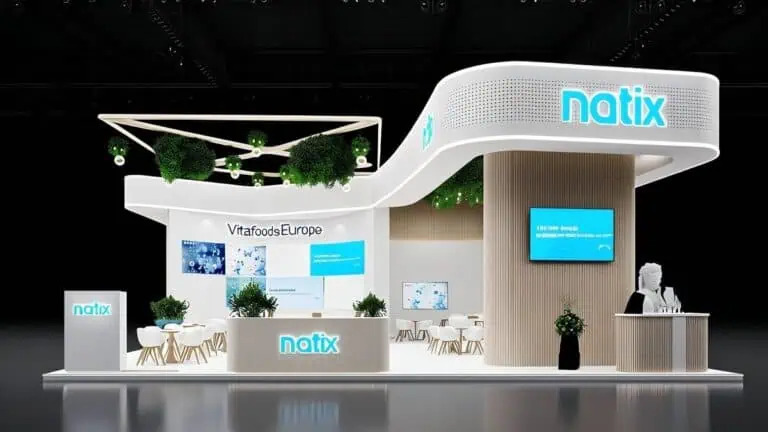
A show in Spain can feel deceptively simple on paper: you book your space, ship your samples, and show up with a stand that reflects your brand. Then the real variables hit – venue rules, tight install windows, freight timing, local labor coordination, and last-minute changes from organizers. That’s why choosing a custom exhibition stand builder in Spain is less about picking a “nice design” and more about choosing who will manage risk, speed, and execution when the clock is running.
When you’re a marketing manager or business development lead, your job at the event is leads, meetings, and momentum. Your stand partner’s job is everything else – and the best partners don’t just build. They plan, document, produce, deliver, install, support, and dismantle with the same discipline you’d expect from an internal project team.
What “custom” should mean for a Spain trade show
Custom does not have to mean extravagant. It should mean intentional.
A true custom stand starts with your goals for that specific show: Are you launching? Recruiting channel partners? Running demos? Hosting private meetings? The layout should serve those goals before it serves aesthetics. A beautiful booth that blocks traffic flow or buries your key message behind a storage wall is not “premium.” It’s expensive friction.
In Spain’s major venues, a custom approach also means tailoring to the hall environment. Lighting conditions, ceiling height, column locations, neighboring brands, and footfall patterns vary widely between halls and cities. A custom design that works in Barcelona might need smart adjustments for Madrid or Valencia – not a full redesign, but enough to keep the stand effective and compliant.
Finally, “custom” should include the invisible parts: detailed technical drawings, material specifications, method statements when required, and the coordination needed to pass venue approvals without burning your team’s time.
Why a local custom exhibition stand builder Spain buyers use matters
If you’re exhibiting in Spain from another country, the stand itself is only one piece of your risk profile. Local execution changes the equation.
A builder with local reach can align faster with venue schedules and regulations, book the right loading slots, and coordinate crews who already understand how the venue operates. That familiarity prevents small mistakes that become expensive on show day: the wrong forklift time, an overlooked height restriction, a misunderstood rigging rule, or a late electrical sign-off.
There’s also the practical reality of last-minute requests. If your product shipment is delayed, if your screen spec changes, or if the organizer updates a requirement, a local partner can react quickly. Speed is not a slogan here – it’s the difference between a clean opening and a scramble that pulls your team off sales conversations.
The trade-offs: custom build vs modular vs rental
Most exhibitors don’t need the same solution for every show. The right decision depends on your calendar, your budget model, and how consistent your booth needs to look across markets.
A premium custom build is the best choice when brand impact and differentiation matter most, when you’re competing for attention in a crowded category, or when your stand must integrate product displays, demos, or meeting spaces in a precise way. The trade-off is higher build investment and a longer lead time – although an experienced builder can compress timelines when needed.
Modular systems are ideal when you want flexibility across multiple footprints or frequent shows. You can reconfigure the structure, update graphics, and keep the core asset working over time. The trade-off is that modular can look “system-based” if it’s not designed thoughtfully. Good modular design still feels branded – it just achieves it with smarter components.
Rental stands make sense when you want a professional presence without storage, long-term ownership, or large upfront spend. This is especially attractive for occasional exhibitors or teams testing a new European show. The trade-off is that some structural elements are standardized, so differentiation relies heavily on layout, graphics, lighting, and finishes.
A strong partner will tell you when custom is the right answer and when it’s not. If every recommendation somehow leads to the most expensive option, that’s a warning sign.
What to look for in a custom exhibition stand builder in Spain
The fastest way to evaluate a builder is to ask how they run the project, not just what they can design.
Start with communication. You want a team that can translate your brand requirements into clear deliverables: a 3D concept, detailed drawings, a realistic production plan, and a schedule tied to venue deadlines. If the early conversations feel vague, the on-site execution usually follows.
Next, look for in-house production or tightly controlled fabrication. When too much is outsourced without oversight, accountability gets diluted. If something arrives damaged or off-spec, you don’t want finger-pointing – you want a fix.
Then ask about logistics and on-site support. The best stands are built twice: once in the workshop, and once under time pressure on the show floor. A builder that plans for transport, access, and installation sequencing will protect your timeline. A builder that also provides on-site support during the event gives you a safety net for inevitable tweaks: graphics alignment, lighting adjustments, AV troubleshooting, and wear-and-tear fixes during busy days.
Finally, ask for proof. Years in the market matter, but results matter more: number of shows delivered, repeat clients, and reviews that mention reliability, responsiveness, and detail. Design awards are nice. Consistent delivery is what keeps your team calm.
How the turnkey process should work (and why it saves you)
A turnkey model is not about doing “everything.” It’s about owning the outcome.
Design consultation that starts with your KPIs
Good consultation is part strategy, part practicality. You should expect questions about your audience, your product story, your lead capture workflow, and what success looks like on day three when energy dips. The concept should then map those answers into zones: welcome, demo, meeting, storage, and branding moments.
3D design plus detailed drawings
A 3D view sells the idea internally. Detailed drawings get it built correctly.
You want both, because approvals, production, and venue compliance depend on precision. If the builder can’t explain materials, load considerations, or installation requirements, you’re likely to discover constraints too late.
Production with quality control
This is where speed and discipline show up. Tight deadlines are common in Europe’s event calendar, and the builder’s internal workflow matters more than promises. Clear sign-offs, controlled procurement, and pre-build checks reduce the chance of on-site surprises.
Logistics, build-up, and dismantle
Spain’s major venues can be unforgiving on timing. A competent partner manages access badges, loading schedules, crew planning, and safety requirements. They also plan dismantle with the same care as build-up – because missed dismantle windows create real costs.
On-site support during the show
Support is not just for emergencies. It’s for polish. It’s for making sure the stand stays sharp when foot traffic is heavy, when a screen cable gets bumped, or when you decide to swap a graphic because a message isn’t landing.
If you’re looking for a partner built around this turnkey approach, Adam Expo Stand Solutions operates from Madrid and delivers design, 3D detailing, in-house production, logistics, build-up, dismantle, and on-site support across Europe – with a track record shaped by tight timelines and repeat exhibitor relationships.
Spain-specific realities that should shape your decision
Spain is a top-tier trade show destination, but it comes with operational realities that your builder should anticipate.
Install schedules can be compressed, and venue processes can move fast once you’re on-site. That makes pre-planning non-negotiable. If your builder is still “figuring it out” after arriving, you’re already behind.
Bilingual coordination also matters. If your internal team is working in English but local stakeholders are working in Spanish, your stand partner becomes the bridge. Clear translation of requirements, approvals, and service orders prevents misunderstandings that waste time.
And because many exhibitors in Spain are international, your stand is often competing against brands that invest heavily in presence. Custom is not about outspending everyone – it’s about presenting a confident, well-organized brand environment that makes it easy to start a conversation.
A practical way to brief your builder (so you get the right stand)
You don’t need a 40-page brief. You do need clarity in a few areas.
Share your target footprint and any flexibility you have. A stand that can scale from a 6×3 to a 6×6 (or similar) can save money across a multi-show plan, but it needs to be designed for that from day one.
Explain your on-stand behavior. If you’ll run continuous demos, prioritize sightlines, sound management, and a natural crowd flow. If your team books meetings, prioritize semi-private seating, storage that actually fits your materials, and a welcoming entrance that doesn’t feel like a barrier.
Be direct about deadlines and internal approvals. If your legal team needs to sign off on claims, or if headquarters needs time to review designs, your builder should bake that into the schedule. The best execution teams don’t just manage their work – they manage the timeline around your organization.
The most common mistakes (and how to avoid them)
The biggest mistake is treating the stand as a creative project only. It’s a creative project plus a construction project plus a logistics project. If any one of those is weak, the result suffers.
Another common mistake is overbuilding for a single show without considering your calendar. If you have three European shows next year, you may be better served by a hybrid approach: custom elements where it counts, modular structure where it saves time, and rental where it reduces friction.
Finally, teams often underinvest in on-site support. When something goes wrong, your staff should not be hunting for tools or calling five vendors. Your job is to sell. Your builder’s job is to keep the environment sales-ready.
Choosing a custom exhibition stand builder in Spain is really choosing how calm you want to feel in the final 72 hours before the doors open. Pick a partner that can make ambitious design practical, make tight timelines realistic, and make show-floor performance predictable – so your team can focus on the conversations that pay for the event.