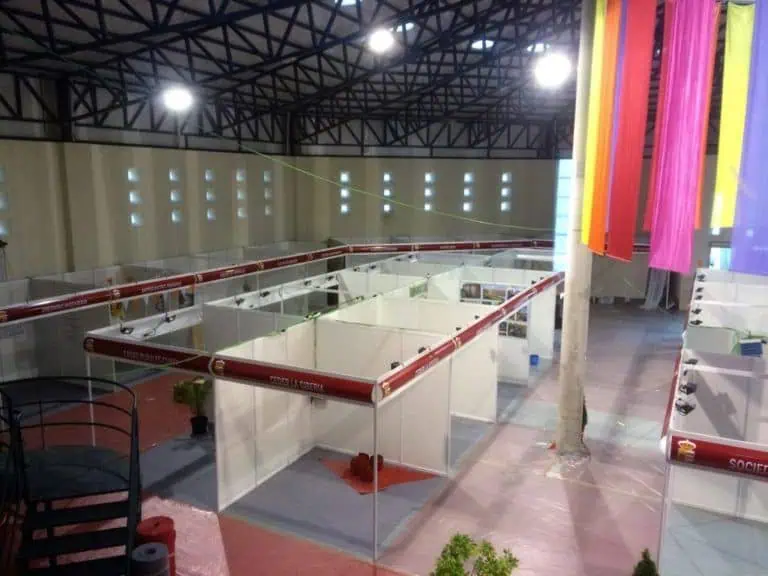
Medical device exhibition booths need to support clear product explanations, controlled demonstrations and informed meetings. Start with the visitor, the device and the approved presentation. Then plan equipment access, technical services, privacy, storage and follow-up around those needs, with the manufacturer’s regulatory and event teams involved before the design is approved.
Choose the event around your intended conversations
A finished-device manufacturer, a component supplier and a digital health business may need different audiences. Compare the organiser’s product categories, visitor information and meeting opportunities with your objectives. A well-known exhibition is useful only when the relevant people and conversations fit the brief.
Current organiser information offers several distinct starting points:
- MEDICA: 16–19 November 2026 in Düsseldorf, with a broad healthcare and medical technology focus.
- COMPAMED: 16–19 November 2026 in Düsseldorf, focused on suppliers, components and development or manufacturing technologies.
- SantExpo: 25–27 May 2027 at Paris Expo Porte de Versailles, Hall 1, serving the health and social-care ecosystem.
Confirm the current edition’s exhibitor category and practical arrangements directly before booking. Historical visitor totals are not a forecast of who will visit your stand or how many leads you will generate.
Give medical device exhibition booths a clear purpose
Define the main visit before selecting the stand structure. Are you explaining a workflow to clinicians, meeting distributors, discussing integration with hospital teams or showing a component to manufacturers? Choose the demonstration and meeting format that helps that conversation.
Prepare a product matrix listing each exhibit, its intended audience, approved message, presentation format and responsible specialist. Distinguish a working device from a non-operating display, prototype, simulator or video. Visitors should understand what they are looking at without needing to infer its status from a sales conversation.
Have the manufacturer’s regulatory team approve product claims, status labels, demonstration boundaries and market-specific materials. Exhibition display and permission to supply or use a device are separate questions. A stand designer should not certify these matters from the appearance of the product.
Plan the demonstration as an operating sequence
Map the steps from greeting the visitor to resetting the exhibit. Decide who operates the equipment, how many people can observe, what staff explain and when the demonstration ends. Include any manufacturer-specified handling or cleaning requirements in the operating brief.
Use a defined demonstration area with enough room for the operator and audience. Keep visitor circulation clear when people gather. If the format requires a scheduled session, show how the next group waits and where other conversations continue.
Use approved simulated information or demonstration datasets for screens. Avoid exposing real patient records, credentials or confidential customer information on a public network or display. Agree access controls, offline content and the reset procedure with the product and IT teams.
Give the builder a technical equipment schedule
| Information | Why it matters to the stand plan |
|---|---|
| Dimensions, weight and handling points | Determines delivery access, exhibit position and any engineered support requirements. |
| Power and other utilities | Allows the technical supplier to design and order suitable connections. |
| Ventilation and operating clearances | Prevents decorative enclosures from obstructing equipment requirements. |
| Network and display needs | Identifies wired connectivity, approved devices and an offline fallback. |
| Security and overnight arrangements | Defines storage, supervision and any continued service requirements. |
| Installation sequence | Shows whether equipment must arrive before walls, glazing or counters are completed. |
Obtain the relevant manufacturer information and ask qualified suppliers to resolve technical requirements. Avoid estimating service capacity from the stand’s floor area. Confirm the venue’s rules and submission deadlines for the actual exhibit and construction.
For MEDICA, the official Online Order System provides event services and order-deadline information. Use the organiser’s current channels to confirm services rather than treating a previous edition’s order or supplier package as current.
Balance visibility with detailed conversations
Use the front of the stand to identify the application and give visitors a reason to ask a question. Keep supporting technical content available for specialists, without covering every surface in dense text.
Separate brief product explanations from longer distributor, procurement or technical meetings. Provide seating and suitable table space for visitors with different access needs. If a conversation involves confidential commercial information, identify a more appropriate meeting setting instead of assuming an open booth provides privacy.
Caption videos and keep diagrams legible at their intended viewing distance. An animation can explain a sequence, but it should use approved claims and clearly identified simulation where relevant. Add a concise spoken explanation and a static fallback for equipment or connectivity problems.
Review hospitality and promotional items before ordering
Ask the compliance team to review hospitality, giveaways, competitions and interactions with healthcare professionals. The MedTech Europe Code governs its members’ relationships with healthcare professionals and organisations. It is not a universal permission to offer any inexpensive gift; national rules and other applicable codes also need consideration.
Record the approved activity, limits and responsible person in the staff brief. Do not introduce an unreviewed prize or personal gift during the fair because it appears to attract more visitors. The product explanation and quality of the conversation should remain the basis of engagement.
Compare stand proposals using the same scope
Ask suppliers to price the same equipment list, visitor activities, service needs and installation sequence. Identify responsibility for approvals, transport, handling, testing, cleaning, security and dismantling. Confirm whether technical services are ordered by the exhibitor, builder or another appointed supplier.
For reusable structures, check fit, condition, transport and storage across the proposed event programme. A modular system does not automatically suit every plot or device. The bespoke exhibition stand guide can help you consider how the construction follows the brief.
Agree handover acceptance criteria: equipment positioned correctly, services available, approved materials loaded, circulation checked and staff familiar with the demonstration. Assign a contact for operational issues and define the contracted support hours.
Measure enquiries and follow-up clearly
Use your approved process to collect business contact information and explain its intended use. Record the visitor’s role, application, requested information and agreed next step. A badge scan alone does not explain the person’s commercial need or permission for every future communication.
Review demonstration attendance, completed meetings and relevant enquiries as separate measures. Track which enquiries progress to an agreed technical discussion, distributor assessment or proposal. Do not present attendance as evidence of clinical performance or guaranteed sales.
Frequently asked questions
Should every medical device stand include a live demonstration?
No. Choose a working exhibit, simulator, static display or approved video according to the product, audience and authorised presentation. Confirm operational requirements before committing space and services.
Who approves the device claims shown on the stand?
The manufacturer should identify the responsible regulatory or compliance reviewers. Provide them with graphics, scripts, videos and status labels before production.
What should a builder receive before quoting?
Share the event, plot plan, equipment schedule, intended visitor activities, technical requirements and approval responsibilities. Include delivery and return arrangements for the devices.
Brief your next medical-device stand
Contact Adam Expo Stand to discuss your medical-device exhibition booth. Send the event, stand dimensions, device information and meeting objectives so the design and build scope can be coordinated with your product, technical and regulatory teams.
Follow our exhibition planning guides
Choose Adam Expo Stand as a preferred source to help you find our exhibition guides and updates on Google.
Add as a preferred source on GoogleGoogle may ask you to sign in and confirm your choice.