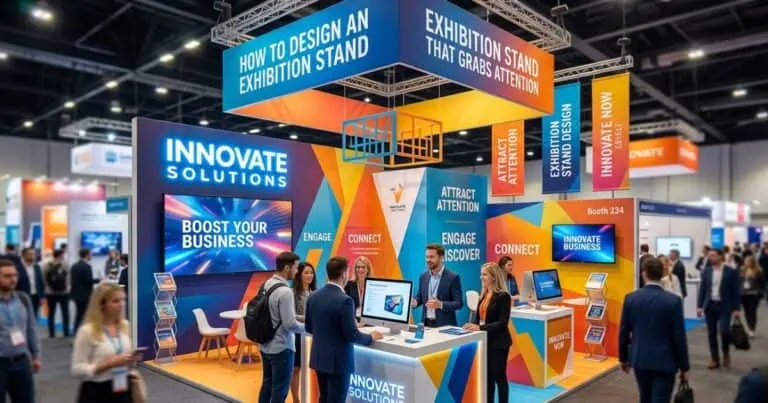
A HEATEXPO exhibition stand should make a heating or cooling solution understandable while giving technical visitors space to examine equipment and discuss a project. Define the display, demonstration, handling and service needs before choosing a construction format. Use the current Dortmund event documents, compare complete costs and agree who delivers, tests and returns each part.
Confirm HEATEXPO 2026 in Dortmund
HEATEXPO 2026 takes place at Messe Dortmund on 24–26 November. Its programme covers heat and cooling generation, supply, infrastructure, services, digitalisation and investment. Select the message and presentation around your actual offer and booked location rather than a generic exhibition theme.
The official exhibitor information directs exhibitors to the Online Service Center for technical guidelines, services and supplier contacts. Confirm the current plot, hall, dimensions, open sides and booking inclusions. Make the relevant documents available to the stand builder and equipment team.
As checked in October 2026, the published schedule starts build-up on 20 November and ends construction on 23 November at 16:00, with vehicles out of the hall at that time. The page distinguishes subsequent decoration on the exhibitor’s own area from construction. Confirm any specific access or extension with the organiser before planning work outside the published arrangements.
Define what visitors need to inspect or understand
A large heat pump, a network component and a digital control service have different presentation requirements. Decide whether you are showing a static product, a cutaway, a model, a screen-based explanation or a permitted working demonstration. That decision affects space, freight, services and technical review.
| Offer | Presentation decision | Information for the team |
|---|---|---|
| Large plant or equipment | Static display or agreed demonstration | Dimensions, weight, support points and handling needs |
| Pipes, valves and components | Inspection, comparison or assembled example | Mounting, sample access and product labels |
| District heating or cooling | Explain the system and project interfaces | Diagram, model, screen content and meeting needs |
| Controls and monitoring | Guided software walkthrough | Devices, network, approved demo data and fallback |
| Consulting or finance | Initial qualification and longer discussion | Audience, questions, seating and privacy needs |
| Project team | Technical handover and follow-up | Staff roles, contact process and supporting information |
Provide actual product drawings, photographs and specifications. Avoid making the stand larger or more complex solely to suggest technical capability. Test whether the design explains the offer and supports the intended questions.
Plan equipment handling before finalising the layout
Discuss delivery dimensions, crate sizes, weight, support, lifting and positioning with the equipment owner and competent handling providers. Check the route to the plot and the relevant floor and structural requirements with the responsible technical team. A broad exhibition-stand description cannot establish that a heavy item can be unloaded or supported.
Draw inspection positions, presenters, visitors and meeting furniture around the equipment footprint. Keep access for installation and maintenance in the review. A product may occupy more working space than its transport dimensions suggest, particularly if doors, panels or moving elements are demonstrated.
For any working equipment, describe the proposed operation and required supplies to the organiser and competent providers. Confirm permission, technical evidence and operating controls before committing to the demonstration. If a full live installation is impractical, consider an approved static example, model or digital explanation that still answers the visitor’s question.
Connect technical detail to a clear message
Use a short headline identifying the application or problem the solution addresses. Place relevant specifications and diagrams where visitors can examine them during a conversation. Distinguish confirmed product information from illustrative project scenarios and have the responsible team approve the claims before printing.
Test lighting, reflections and screen readability with the proposed equipment where possible. Explain what an interactive tool adds to the presentation, who operates it and what happens if it fails. Games, VR or a large video wall are optional choices with space, support and cost implications.
Provide a place for longer project discussions without blocking equipment inspection. Review accessible routes, floor transitions, noise and cable management with the responsible design team and applicable event requirements.
Compare the stand format and complete scope
Compare custom, modular, rental and combined proposals against the same equipment and visitor brief. Check display loads, component documentation, finish, installation and future configurations. Portable graphics may suit a service presentation, while equipment displays may need specific supporting structures. No single format is best for every HEATEXPO exhibitor.
Our modular versus custom comparison guide helps frame the design decision. Ask suppliers to explain the functional differences between their proposals rather than treating a construction label as proof of quality or value.
Include design, drawings, technical evidence, production or rental, graphics, flooring, lighting, furniture, AV, transport, special handling, installation and dismantling. Add venue services, equipment integration, testing, cleaning, waste, insurance, storage and return where applicable. Assign an owner and payer, identify exclusions and agree how changes are approved.
Use the actual installation and return programme
Work backwards from the agreed handover through equipment integration, installation, freight, production and design decisions. Add the current service-order and submission deadlines from the Online Service Center. Confirm crew admission, vehicle arrangements and unloading services separately.
The published 2026 dismantling schedule starts on 26 November at 16:00; vehicle access to halls is listed from 17:00 and remains subject to the logistical situation. Dismantling continues on 27–28 November, ending at 18:00 on 28 November. Do not promise a collection slot solely from the public closing time.
The organiser also instructs exhibitors to keep material on their own stand area, remove empties promptly and keep aisles clear. Agree crate storage, return and packing responsibility so those tasks fit the actual dismantling sequence. Reconfirm the current instructions before dispatch.
Assess reuse and environmental statements
Identify the components intended for future events and the evidence for their materials. Agree inspection, maintenance, packing, storage, graphic updates and reinstallation. Compare the full programme and future plots before claiming savings from reuse.
A certification covers a defined product, organisation or process; check its scope before using it to describe the stand. Recyclability does not establish that a material will actually be recovered at the event. Likewise, a carbon-balancing claim does not by itself demonstrate a low-impact build. Ask for the basis, boundaries and supporting evidence of any environmental statement.
Test the handover and organise technical follow-up
At handover, check the approved display, graphics, services, equipment and inventory with the responsible providers. Run the intended presentation with the staff who will use it. Record issues, owners and the agreed support contact before visitors arrive.
Brief the team on the application, technical questions and next action after a conversation. Record what the potential buyer needs and who will respond. Review relevant enquiries, appointments and completed follow-up against the original objectives. Footfall and social activity alone do not establish financial return.
Frequently asked questions
Can we operate our heating equipment on the stand?
Confirm the exact equipment, proposed operation, supplies, technical requirements and permission with the organiser and responsible specialists. Do not assume a display booking permits every live demonstration.
Is modular construction always the cheapest option?
Compare the actual configuration and complete delivery scope, including equipment support, services, handling and future use. The format alone does not determine total cost.
What should we send for a proposal?
Share the plot, equipment details, presentation plan, dates, budget and reuse intentions. Discuss your HEATEXPO stand brief with Adam Expo Stand to define design, supplier interfaces and delivery responsibilities.
Follow our exhibition planning guides
Choose Adam Expo Stand as a preferred source to help you find our exhibition guides and updates on Google.
Add as a preferred source on GoogleGoogle may ask you to sign in and confirm your choice.