

How to create impactful booth display for 2026 shows
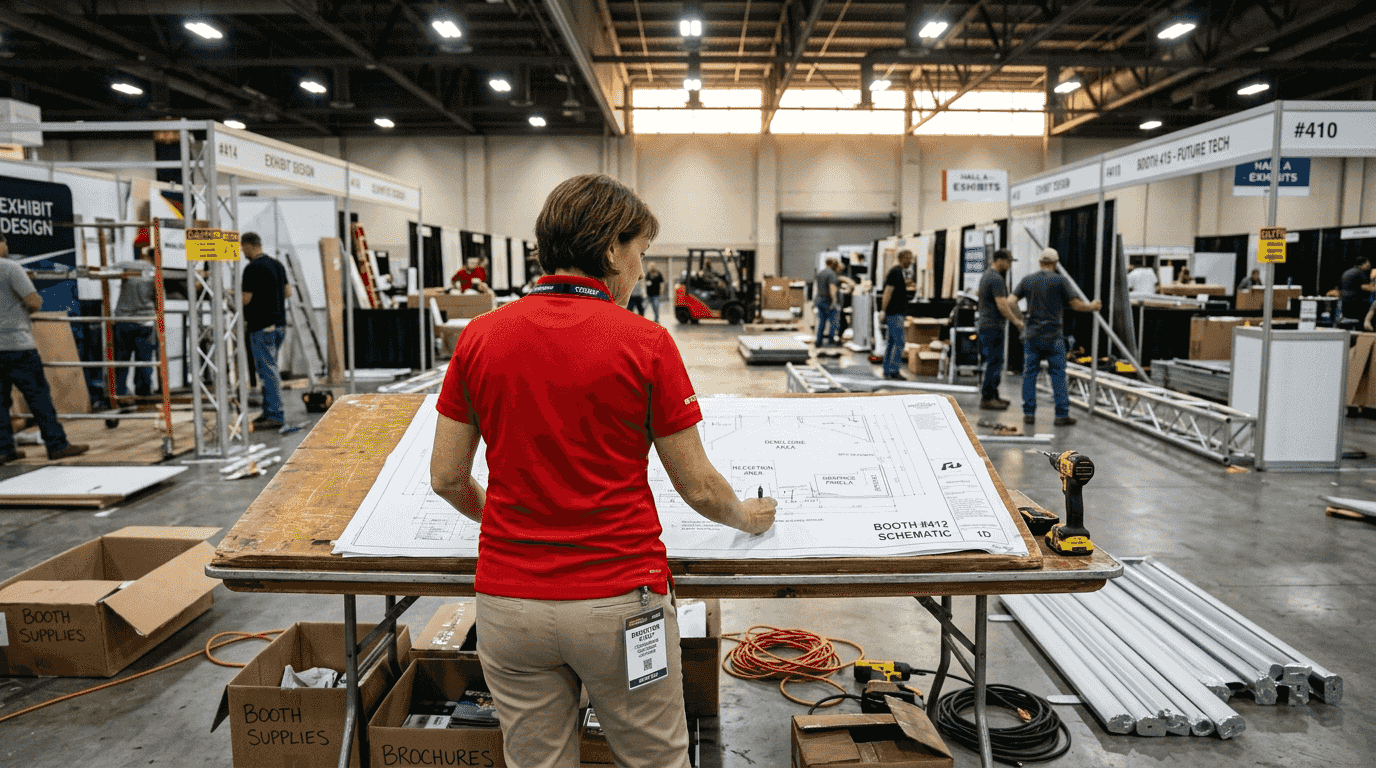
Marketing managers face a persistent challenge at European trade shows: designing booth displays that break through the noise and genuinely engage attendees. With hundreds of exhibitors competing for attention, a generic setup simply won’t cut it. Your booth needs to communicate brand identity instantly, invite interaction, and leave a lasting impression that translates into leads and conversions. This guide delivers practical, actionable strategies tailored for 2026 trade shows across Europe, helping you craft booth displays that elevate brand visibility and drive measurable engagement from planning through execution and measurement.
Table of Contents
- Preparing For An Impactful Booth Display
- Executing exhibition stand design And Construction For Maximum Impact
- Optimizing Visitor Engagement And Staffing At Your Trade Show Booth
- Measuring Impact And Improving Future Booth Displays
- Boost Your Trade Show Success With Expert Booth Solutions
- How To Create Impactful Booth Display FAQ
Key takeaways
| Point | Details |
|---|---|
| Strategic planning sets the foundation | Define objectives, research venue specifics, and align budget with marketing goals before design begins. |
| Design and materials drive engagement | Select lightweight, durable materials and create open layouts with high-impact graphics and technology. |
| Trained staff maximize visitor interaction | Equip your team with brand knowledge and engagement techniques to convert booth traffic into qualified leads. |
| Real-time adjustments enhance performance | Monitor visitor flow during the event and adapt staffing or engagement tactics to maintain momentum. |
| Measurement fuels continuous improvement | Track metrics like foot traffic and lead conversion, then apply insights to refine future booth strategies. |
Preparing for an impactful booth display
Strategic planning is essential for creating a booth that effectively communicates brand messaging and attracts visitors. Before you select materials or sketch layouts, define clear objectives. Are you launching a new product, generating leads, or building brand awareness? Each goal demands different booth elements and staff approaches.
Research the specific trade show thoroughly. Study the floor plan to identify high-traffic zones near entrances or food courts. Analyze attendee demographics to understand their pain points and interests. Review competitor booths from previous years to spot opportunities for differentiation. This intelligence shapes every decision from booth size to interactive elements.
Align your budget with marketing goals early. A 3×3 meter modular booth costs significantly less than a custom 6×6 meter design, but both can deliver impact when executed strategically. Allocate funds across design, construction, shipping, technology rentals, promotional items, and a contingency reserve for last-minute adjustments. Transparent budget planning prevents costly surprises during execution.
Compile a comprehensive checklist covering materials, technology, signage, furniture, and promotional items. Include power requirements, internet connectivity needs, and storage solutions for giveaways. Coordinate with booth design impact strategies teams at least three months before the event to ensure timely delivery and setup.
Essential planning checklist:
- Define measurable objectives and target audience profiles
- Research trade show layout, attendee data, and competitor approaches
- Determine booth size, preferred location, and total budget allocation
- List required materials, technology, signage, and promotional items
- Schedule design reviews and logistics coordination at least 90 days out
| Planning Phase | Timeline | Key Deliverables |
|---|---|---|
| Initial strategy | 4-5 months before | Objectives, budget, booth size confirmed |
| Design development | 3-4 months before | Concepts, materials list, technology specs |
| Production and logistics | 2-3 months before | Manufacturing, shipping arrangements |
| Final preparation | 1 month before | Staff training, promotional materials ready |
Pro Tip: Book your booth location as early as possible. Corner spots and positions near main aisles generate 40% more foot traffic than interior locations, giving you a significant advantage before design even begins.
Executing booth design and construction for maximum impact
Material selection directly influences both aesthetics and logistics. Choosing the right materials means balancing visual appeal with durability and portability. Lightweight aluminum frames reduce shipping costs while supporting large graphics. Fabric displays pack smaller than rigid panels and resist damage during transport. Sustainable materials like recycled composites appeal to environmentally conscious attendees and align with 2026 sustainability trends.
Design your layout to encourage natural visitor flow. Avoid creating barriers at the booth entrance. Open corners invite attendees inside, while closed fronts with counters create psychological barriers. Position product displays and demo stations to draw people deeper into the space. Leave enough room for small groups to gather without blocking pathways.
Graphics and lighting transform ordinary booths into memorable brand experiences. Use high-resolution images that communicate your value proposition from 10 meters away. Backlit displays create depth and draw eyes across crowded show floors. LED strips highlight key products without generating heat. Color psychology matters: blue conveys trust, orange sparks energy, and green suggests sustainability.
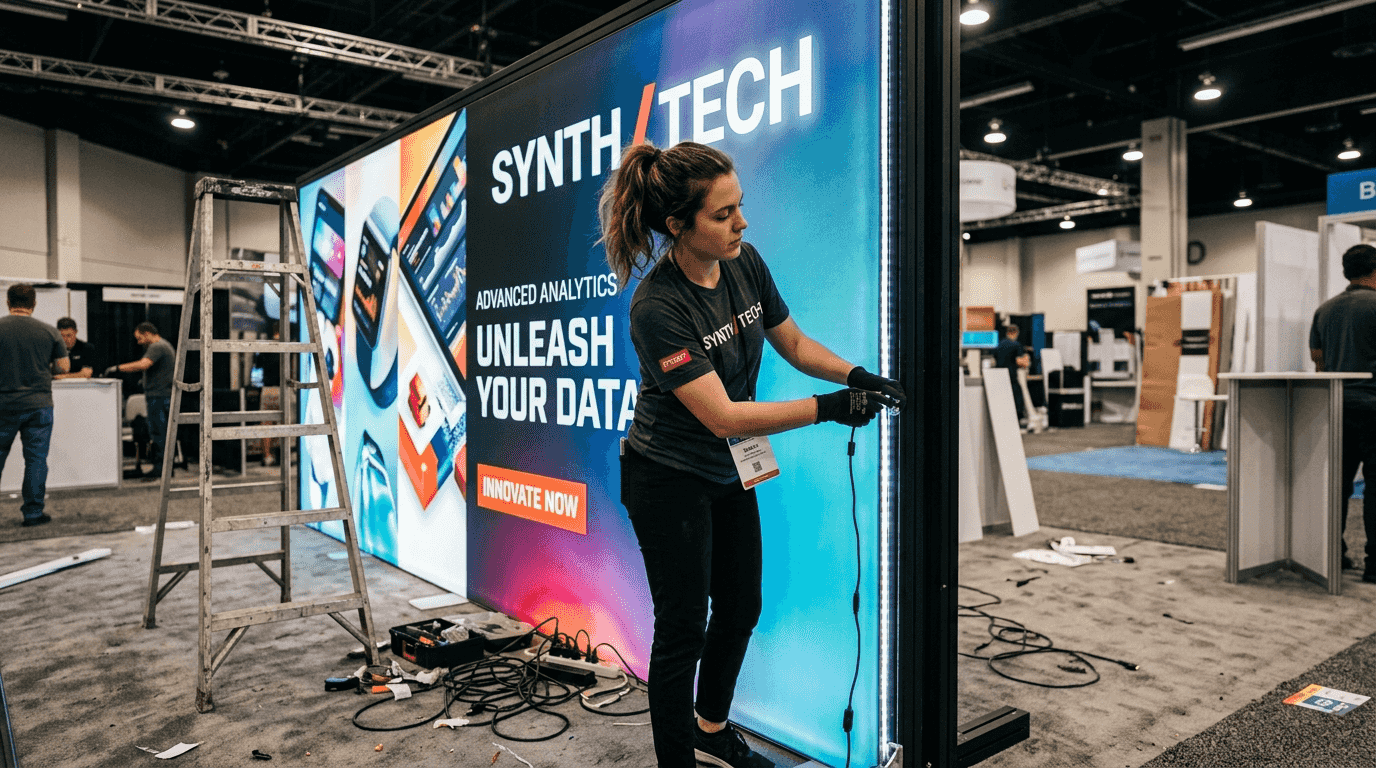
Integrate technology strategically. Touchscreen displays let visitors explore product catalogs at their own pace. Augmented reality experiences create shareable moments that extend your reach beyond the show floor. Digital lead capture tools streamline contact collection and eliminate manual data entry errors. Choose technology that enhances engagement rather than complicating it.
Construction execution steps:
- Confirm all materials and components arrived undamaged at the venue
- Assemble structural framework following manufacturer specifications and safety codes
- Install graphics, lighting, and technology in sequence to avoid damage
- Test all interactive elements, power connections, and digital displays thoroughly
- Conduct final walkthrough addressing any visual or functional issues before doors open
| Booth Element | Traditional Approach | Modern Impact Approach |
|---|---|---|
| Graphics | Static printed panels | Backlit fabric with changeable messaging |
| Product display | Tables with brochures | Interactive touchscreens with demos |
| Lighting | Standard overhead | Programmable LED creating ambiance |
| Structure | Heavy wood or metal | Modular aluminum with tool-free assembly |
Explore creative booth ideas that incorporate unexpected elements like living walls, suspended displays, or sensory experiences. A coffee bar or charging station provides utility while keeping visitors in your space longer. The goal is creating an environment where attendees want to linger and engage.
Pro Tip: Build your booth at your office or warehouse before shipping it to the venue. This dry run reveals assembly issues, missing components, or design flaws when you still have time to fix them, avoiding costly surprises on show day.
Optimizing visitor engagement and staffing at your trade show booth
Engaged, well-trained booth staff are key drivers of successful trade show outcomes, delivering impactful brand interactions. Train your team on three critical areas: product knowledge, brand messaging consistency, and engagement techniques. Staff should answer technical questions confidently, articulate your value proposition in 30 seconds, and read body language to approach visitors appropriately.
Body language creates the first impression before any words are exchanged. Staff standing with arms crossed or staring at phones signal disinterest. Position team members at booth edges, making eye contact and smiling at passersby. Use open gestures and avoid blocking entry points. A simple “What brings you to the show today?” works better than aggressive pitches.
Interactive elements maintain interest after initial contact. Product demonstrations show value more effectively than descriptions. Hands-on experiences create emotional connections that brochures cannot match. Gamification elements like prize wheels or digital challenges inject fun while collecting contact information. Giveaways should tie to your brand and appeal to your target audience, not just attract freebie hunters.
Monitor visitor flow patterns throughout each day. Morning crowds differ from afternoon traffic in energy and intent. Adjust staffing levels and engagement tactics accordingly. If certain product demos generate more interest, allocate more space and staff to them. Real-time optimization maximizes every interaction opportunity.
Engagement optimization tactics:
- Greet visitors within three seconds of eye contact to show attentiveness
- Ask open-ended questions that reveal needs rather than pitching immediately
- Rotate staff every two hours to maintain energy and fresh perspectives
- Use digital lead capture tools that sync with your CRM instantly
- Qualify leads with quick discovery questions before lengthy presentations
Implement event branding ideas that create consistent touchpoints across all visitor interactions. Your booth graphics, staff uniforms, giveaways, and digital content should reinforce the same visual identity and messaging. Consistency builds recognition and trust.
Pro Tip: Schedule brief team huddles every four hours during the show. Share what questions attendees are asking, which approaches are working, and any competitive intelligence gathered. These quick alignments keep everyone sharp and responsive to evolving show dynamics.
Measuring impact and improving future booth displays
Systematic measurement transforms subjective impressions into actionable insights. Track quantitative metrics like total booth visitors, engagement duration, demo participation rates, and leads captured. Compare these numbers against your pre-show objectives to calculate ROI. A booth that generates 200 qualified leads at $50 cost per lead outperforms one producing 500 unqualified contacts at $30 each.
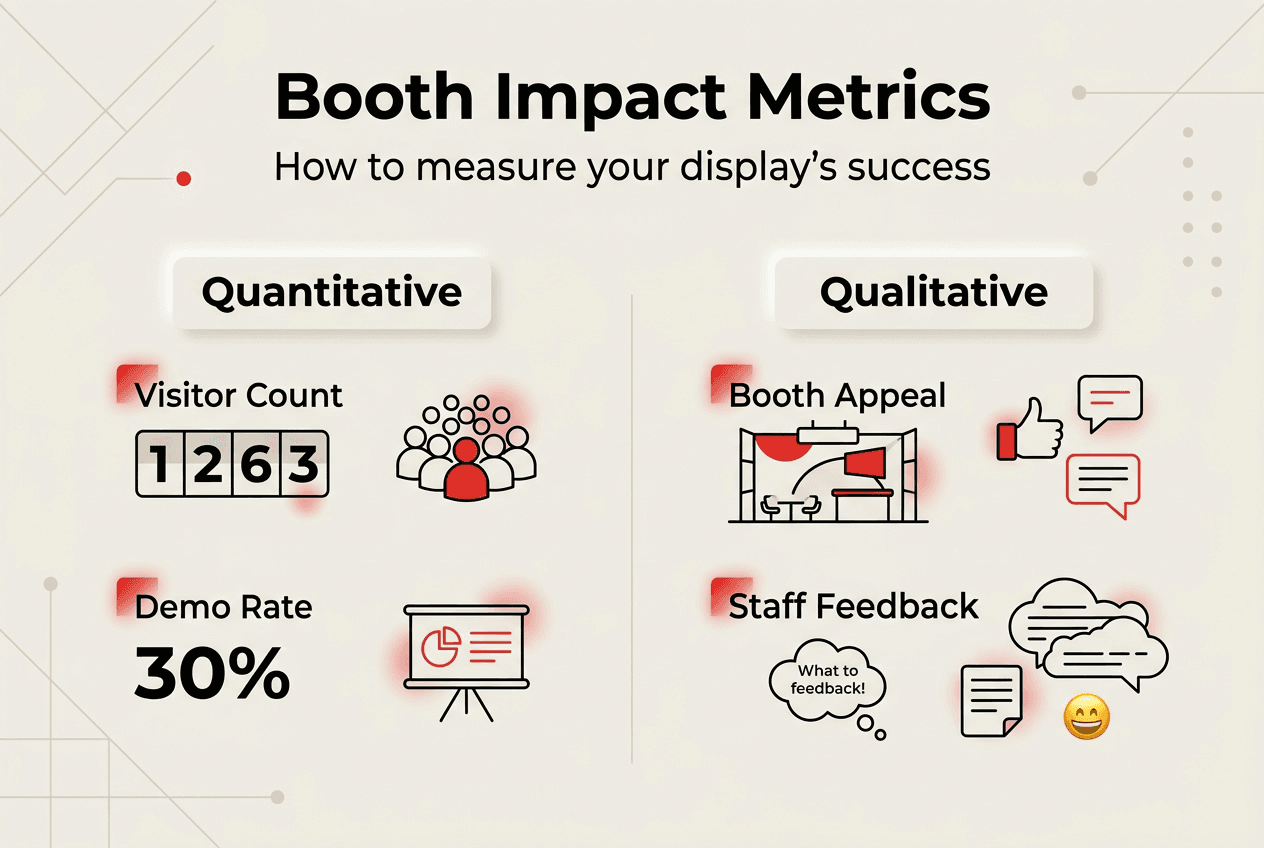
Qualitative feedback reveals what numbers cannot. Deploy brief visitor surveys asking what attracted them to your booth, what they found most valuable, and what could improve. Staff debriefs capture frontline observations about attendee questions, objections, and competitive comparisons. This feedback identifies specific elements to enhance or eliminate.
Compare different booth components systematically. If you used AR experiences at one show and traditional demos at another, analyze which generated better lead quality. A/B testing approaches across multiple events builds a knowledge base of what resonates with your audience. Document these insights in a centralized resource accessible to future planning teams.
Impact measurement framework:
- Count total booth visitors using traffic counters or staff tallies
- Calculate engagement rate by dividing demo participants by total visitors
- Assess lead quality through post-show follow-up conversion rates
- Collect visitor feedback via digital surveys or in-person conversations
- Compile lessons learned report within two weeks while details remain fresh
| Metric | Measurement Method | Success Benchmark |
|---|---|---|
| Foot traffic | Automated counter or staff tally | 15-20% of total show attendance |
| Engagement rate | Demos divided by visitors | 40-50% participation |
| Lead quality | Sales team qualification | 60% meet ideal customer profile |
| Cost per lead | Total booth cost divided by leads | Below industry average for sector |
Set improvement goals for each subsequent show. If graphics performed well but technology had glitches, invest in better equipment and testing protocols. If staff engagement was inconsistent, enhance training programs. Trade show display ideas evolve as attendee expectations and technology capabilities advance.
Continuous improvement requires organizational commitment. Share results with leadership, design teams, and sales departments. Celebrate successes and address failures constructively. Build a culture where each trade show informs and elevates the next, compounding your expertise and effectiveness over time.
Booth Display Trends 2026: What Drives Impact This Year
Exhibition booth design trends 2026 signal a clear shift toward sensory-rich, technology-augmented environments. The booths generating the most floor traffic combine LED volume content walls, scent marketing, and AI-personalised digital experiences—all working together to stop visitors mid-aisle. Mastering trade fair booth execution means planning these elements in sequence, from visual hook to intimate conversation, rather than deploying them in isolation.
Trade Show Booth Design Trends 2026 and Collapsible Booth Design Market Trends 2026
Trade show booth design trends 2026 place equal weight on aesthetics and logistics. The fastest-growing format is the premium collapsible system: collapsible booth design market trends 2026 data shows brands choosing systems that install in under three hours, ship in standard flight cases, and reconfigure across different floor plans without additional fabrication costs. This convergence of high design and operational efficiency is defining the trade show booth design trends 2026 landscape—and will continue to accelerate as multi-show annual calendars become the norm.
Boost your trade show success with expert booth solutions
Professional booth design services streamline the entire process from concept to teardown, letting you focus on engaging attendees rather than managing logistics. Partnering with experienced builders ensures your booth reflects your brand identity while incorporating the latest materials and engagement technologies. Expert teams handle permits, shipping, setup, and breakdown, eliminating the stress of coordinating multiple vendors across European venues. Explore comprehensive trade show booth solutions that deliver turnkey experiences tailored to your specific marketing objectives and budget constraints. Access creative booth design ideas and professional booth materials selection guidance to elevate your presence at 2026 trade shows throughout Europe.
How to create impactful booth display FAQ
What are the most important elements to include in an impactful booth display?
Clear branding with consistent visual identity across all touchpoints forms the foundation. High-impact graphics visible from distance, interactive technology that engages visitors, and an open layout encouraging natural flow are essential. Well-trained staff who proactively engage attendees and qualify leads effectively amplify every other element.
How can I measure the success of my trade show booth?
Track quantitative metrics including total visitor count, engagement duration, demo participation rates, and leads captured with quality scores. Measure post-show conversion rates by tracking how many booth leads advance through your sales pipeline. Supplement numbers with qualitative feedback from visitor surveys and staff observations to identify specific strengths and improvement opportunities.
What budget considerations are critical for booth design and execution?
Allocate funds across design and construction materials, shipping and logistics, on-site setup labor, technology rentals or purchases, and promotional items or giveaways. Reserve 10-15% of total budget as contingency for last-minute changes, upgrades, or unexpected venue requirements. Balance upfront investment against expected lead value and long-term booth reusability.
How do I keep booth visitors engaged throughout the event?
Rotate product demonstrations and interactive experiences on scheduled intervals to create fresh reasons for repeat visits. Use engaging technology like touchscreens or AR that lets visitors explore at their own pace. Schedule staff in shifts to maintain high energy levels and fresh perspectives. Offer valuable giveaways or exclusive show specials that reward engagement beyond passive browsing.
What are the latest trends for booth displays in 2026?
Sustainability-focused materials including recycled composites and reusable modular systems reflect growing environmental consciousness. Augmented reality experiences create memorable interactions that attendees share on social media, extending your reach. Modular booth designs offering flexible configurations adapt to different venue sizes and layouts. Hybrid strategies blending physical booth experiences with digital follow-up maximize engagement before, during, and after events.


