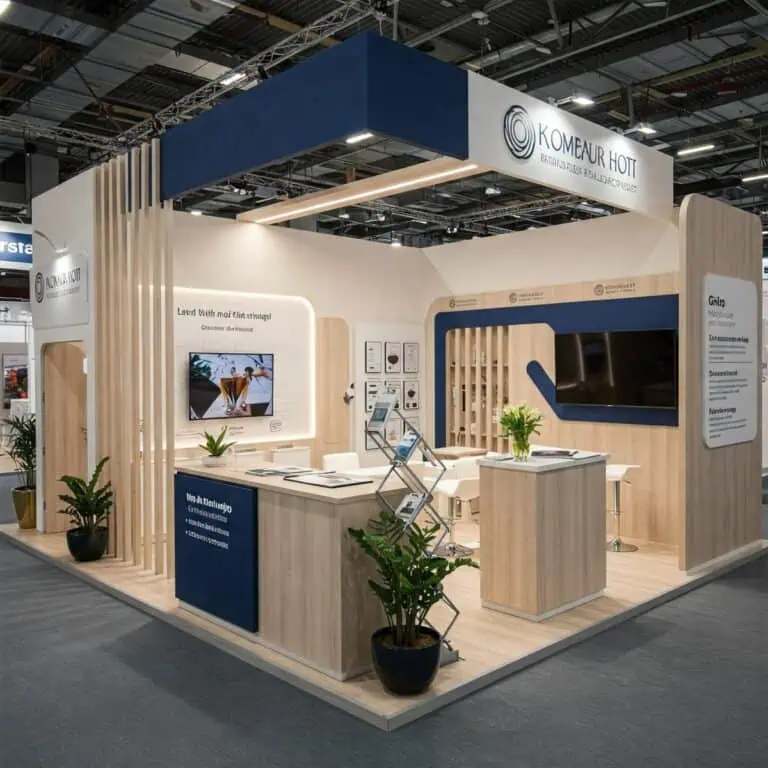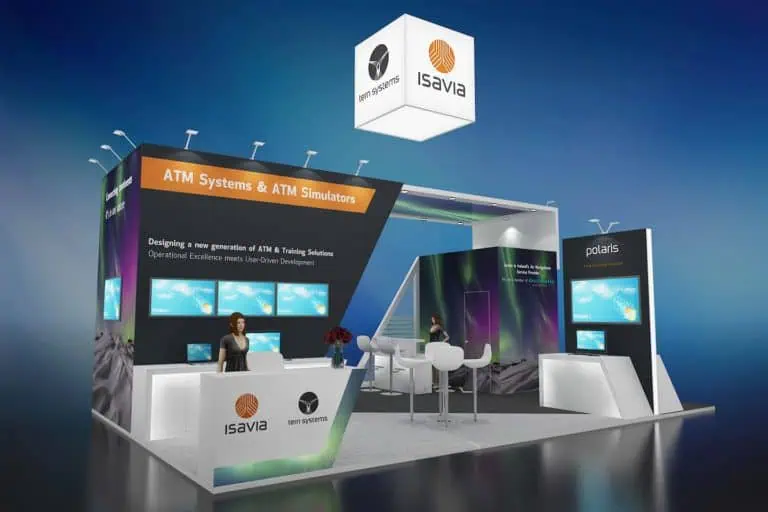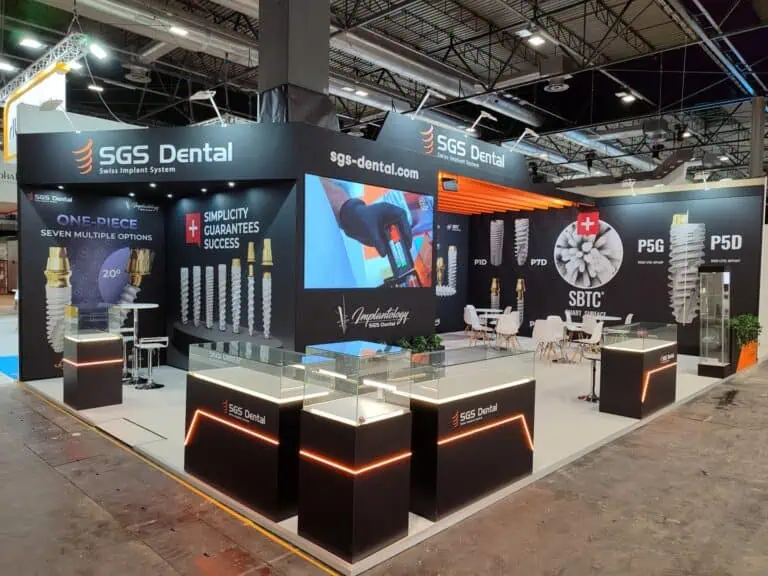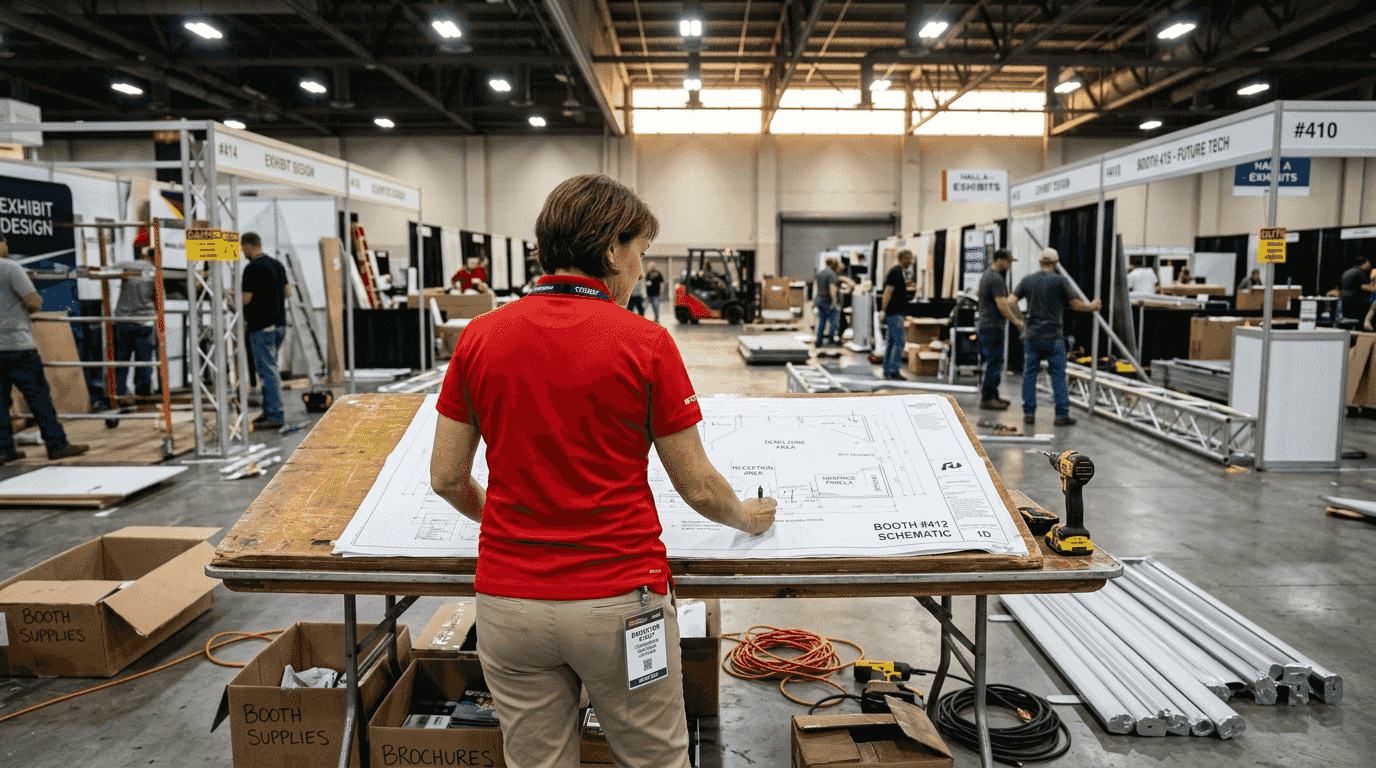
An effective booth display makes the product or service understandable and gives visitors a useful next step. This guide covers objectives, layout, graphics, equipment, staffing and measurement for European trade shows in 2026. Use the event manual, assigned floor plan and an itemised supplier scope to turn the concept into an operating plan.
The AUMA participation concept guidance provides a reference for connecting the exhibition plan to its purpose. It does not establish a commercial result for a particular display.
Table of Contents
- Preparing For An Impactful Booth Display
- Executing Booth Design and Construction — exhibition stand design services
- Optimizing Visitor Engagement And Staffing At Your Trade Show Booth
- Measuring Impact And Improving Future Booth Displays
- Boost Your Trade Show Success With Expert Booth Solutions
- How To Create Impactful Booth Display FAQ
Key takeaways
| Point | Details |
|---|---|
| Strategic planning sets the foundation | Define objectives, research venue specifics, and align budget with marketing goals before design begins. |
| Design and materials support the activity | Specify suitable materials, layout, readable graphics and equipment for the intended use. |
| Staff preparation supports relevant conversations | Brief staff on approved product explanations, relevant questions, next steps and responsibilities. |
| Real-time adjustments enhance performance | Monitor visitor flow during the event and adapt staffing or engagement tactics to maintain momentum. |
| Measurement fuels continuous improvement | Track metrics like foot traffic and lead conversion, then apply insights to refine future booth strategies. |
Preparing for an impactful booth display
Strategic planning is essential for creating a booth that effectively communicates brand messaging and attracts visitors. Before you select materials or sketch layouts, define clear objectives. Are you launching a new product, generating leads, or building brand awareness? Each goal demands different booth elements and staff approaches.
Research the event audience, relevant buying roles and the assigned hall plan. Ask the organiser for the source and date of visitor figures. Compare open sides, sightlines, neighbouring stands and access; proximity to an entrance or food court does not guarantee relevant traffic.
Budget for the agreed event specification, including space, design or rental, graphics, equipment, venue services, transport, installation and dismantling. A small stand with complex equipment may cost more than a larger simple layout. Compare quotes for the same scope and make exclusions, tax treatment and contingency explicit.
List materials, signage, furniture, demonstrations, power, network and storage needs. Agree design, approval, production and delivery deadlines with the organiser and supplier. Work backwards from the actual service-order and submission dates; a fixed three-month schedule is not suitable for every project.
Essential planning checklist:
- Define measurable objectives and target audience profiles
- Research trade show layout, attendee data, and competitor approaches
- Determine booth size, preferred location, and total budget allocation
- List required materials, technology, signage, and promotional items
- Schedule reviews and logistics against the event’s actual approval and service deadlines
| Planning Phase | Timeline | Key Deliverables |
|---|---|---|
| Initial strategy | Before scope commitment | Objectives, budget, booth size confirmed |
| Design development | Before production approval | Concepts, materials list, technology specs |
| Production and logistics | By supplier and organiser deadlines | Manufacturing, shipping arrangements |
| Final preparation | Before dispatch and opening | Staff training, promotional materials ready |
Planning tip: compare available locations by audience relevance, open sides, obstructions and total cost. Request the organiser’s evidence for traffic claims and confirm the assigned stand dimensions before design approval.
Executing booth design and construction for maximum impact
Choosing the right materials requires checks on weight, durability, finish, documentation, transport and reuse. Compare the complete packing and logistics plan rather than assuming a material always lowers shipping costs. Environmental claims should be supported for the specific components supplied.
Review the layout on a dimensioned plan with actual products, equipment, staff and waiting visitors. Check entry, viewing, demonstration and meeting positions within the plot. Evaluate counter placement and open sides for the specific activity rather than assuming a universal psychological effect. Include accessible use and keep agreed routes clear.
Test graphic readability from the likely aisle approaches under the proposed lighting. Use a clear hero message, reviewed product claims and consistent branding. Check reflections, electrical load, equipment heat and contrast. Colour choices should suit the brand and audience rather than relying on universal psychological meanings.
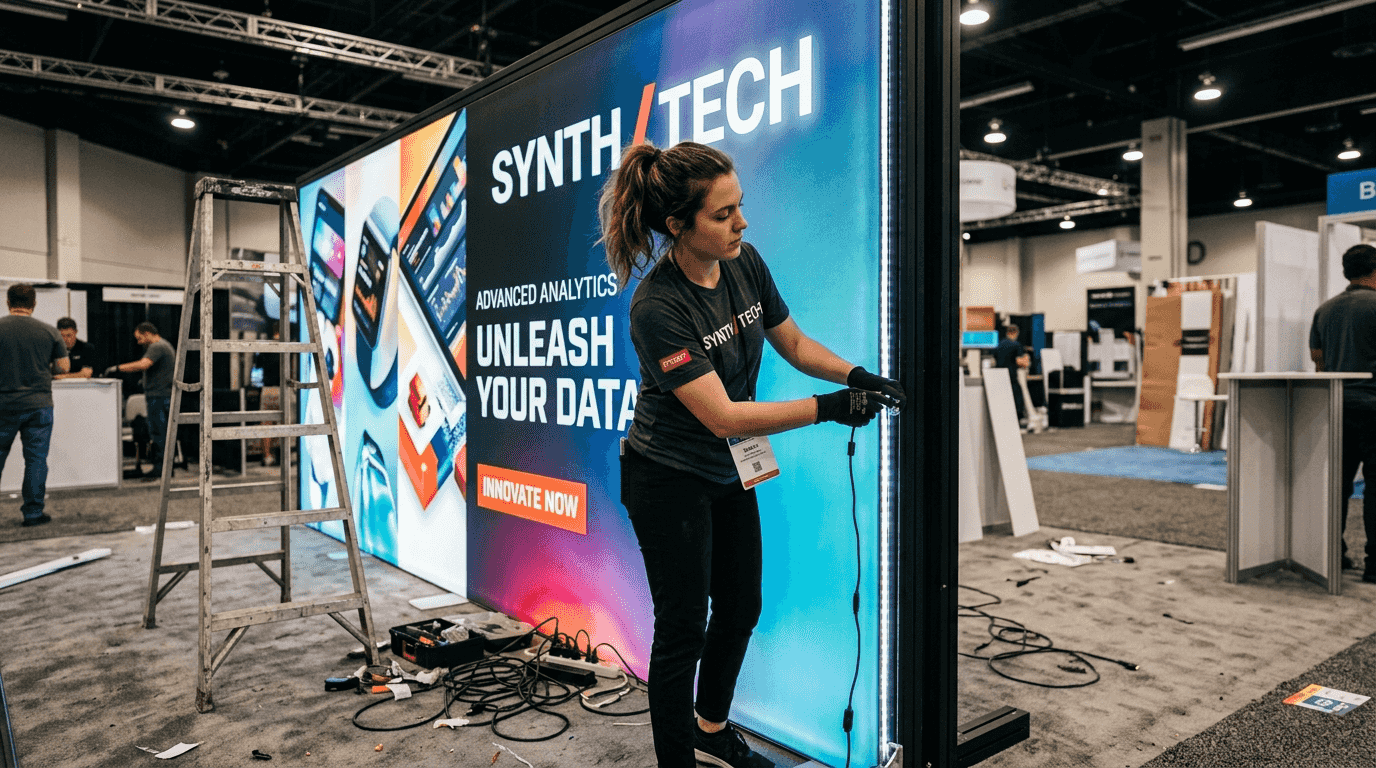
Use touchscreens, video or AR when they explain the product or answer a visitor question. Specify content approval, hardware, power, network, staff support and an offline alternative. Existing enquiry processes should remain clear; digital tools still require checks for accuracy and visitor permissions.
Construction execution steps:
- Confirm all materials and components arrived undamaged at the venue
- Have the responsible contractor assemble and check the structure using the approved method and applicable requirements
- Coordinate graphics, lighting and equipment installation through the responsible contractors
- Test agreed visitor activities and displays; have electrical installation checked by the responsible specialist
- Conduct final walkthrough addressing any visual or functional issues before doors open
| Booth Element | Option | Alternative to Evaluate |
|---|---|---|
| Graphics | Static printed panels | Backlit fabric with changeable messaging |
| Product display | Tables with brochures | Interactive touchscreens with demos |
| Lighting | Standard overhead | Programmable LED creating ambiance |
| Structure | Custom construction | Modular frame; check the specified assembly method |
Compare creative booth ideas against their practical demands. Suspended features need event approval; plants, hospitality or charging stations need space, maintenance and service planning. Prioritise product explanation and meetings before adding optional features.
Planning tip: agree which structural sections, graphics and equipment can be checked before dispatch. A full trial build may be useful when practical, but the supplier should define its scope, location, cost and what still requires verification on site.
Optimizing visitor engagement and staffing at your trade show booth
Prepare well-trained booth staff with approved product explanations, demonstration steps and escalation contacts. Define welcoming, technical and meeting roles, including breaks and handovers. Rehearse relevant visitor questions rather than imposing a universal pitch duration.
Keep access clear and offer a polite, relevant opening question. Allow seated interactions and different communication needs. Staff should know when to invite a conversation and when to give a visitor space to browse.
Give each demonstration or game a product-related purpose, session duration, capacity and staff owner. Plan accessible alternatives, queue space and equipment fallback. Review any prize or hospitality conditions with the exhibitor; participation should not automatically be treated as permission for promotional contact.
Record bottlenecks and demand during the event, then adjust staff coverage or demonstration timing where practical. Keep activities and queues within the contracted space. Changes to structures, services or approved plans require the appropriate review.
Engagement optimization tactics:
- Offer a polite welcome when appropriate and keep the entrance clear
- Ask open-ended questions that reveal needs rather than pitching immediately
- Plan staff breaks and handovers around the operating schedule
- Use the exhibitor’s existing enquiry process with a tested fallback
- Qualify leads with quick discovery questions before lengthy presentations
Implement event branding ideas that create consistent touchpoints across all visitor interactions. Your booth graphics, staff uniforms, giveaways, and digital content should reinforce the same visual identity and messaging. Check consistency against the approved brand information; it does not establish trust or sales by itself.
Planning tip: schedule brief team handovers around breaks or shift changes. Share common questions, equipment issues and outstanding visitor requests, and assign an owner to each action.
Measuring impact and improving future booth displays
Track relevant meetings, completed demonstrations, qualified enquiries and agreed next steps against the original objectives. Visitor totals and cost per enquiry measure activity; they do not establish return on investment. For financial evaluation, use the full event cost and attributed contribution or profit over a period appropriate to the sales cycle.
Qualitative feedback reveals what numbers cannot. Deploy brief visitor surveys asking what attracted them to your booth, what they found most valuable, and what could improve. Staff debriefs capture frontline observations about attendee questions, objections, and competitive comparisons. This feedback identifies specific elements to enhance or eliminate.
Compare activities with consistent definitions and record differences in event audience, stand location, staffing and products. Results from two different shows are not automatically a controlled A/B test. Treat changes as evidence to investigate before claiming one design caused an improvement.
Impact measurement framework:
- Count total booth visitors using traffic counters or staff tallies
- Define the counting period, eligible visitors, completed demonstrations and any denominator before calculating a participation rate
- Review enquiries against agreed qualification criteria and track later outcomes separately
- Collect visitor feedback via digital surveys or in-person conversations
- Schedule a practical debrief and assign owners to agreed improvements
| Metric | Measurement Method | How to Set a Target |
|---|---|---|
| Foot traffic | Automated counter or staff tally | Set from relevant audience, location and staffed capacity |
| Engagement rate | Demos divided by visitors | Use a defined activity and realistic session capacity |
| Lead quality | Sales team qualification | Agree qualification criteria before the event |
| Cost per lead | Total booth cost divided by leads | Compare consistent definitions and full event costs |
Set improvement goals for each subsequent show. If equipment failed, investigate the cause with the responsible provider before choosing a remedy. If a graphic confused visitors, review its message and viewing conditions. If staff engagement was inconsistent, enhance training programs. Trade show display ideas evolve as attendee expectations and technology capabilities advance.
Continuous improvement requires organizational commitment. Share results with leadership, design teams, and sales departments. Celebrate successes and address failures constructively. Build a culture where each trade show informs and elevates the next, compounding your expertise and effectiveness over time.
Booth Display Trends 2026: What Drives Impact This Year
For 2026 planning, evaluate reusable components, accessible demonstrations, readable graphics and supported digital content. These are design options, not a measured ranking of the highest-traffic stands. Select features that fit the audience, operating team and event rules. See the stand design trends guide for specification and budget checks.
What to Check Before Choosing a Collapsible Display
Collapsible and modular systems can suit repeated events when their dimensions, equipment and packing arrangements match the calendar. Ask for the actual assembly method, crew requirement, installation schedule and transport cases. Reconfiguration may need new graphics, parts or fabrication; do not assume every system installs in three hours or changes without additional cost.
Boost your trade show success with expert booth solutions
Discuss the concept, layout, equipment and event schedule with a stand supplier. Agree who handles submissions, service orders, transport, installation and dismantling, and identify any organiser approvals or third-party costs. Explore trade show booth solutions against an itemised brief before approving the final scope.
How to create impactful booth display FAQ
What are the most important elements to include in an impactful booth display?
Start with a clear product message, readable graphics, accessible circulation, suitable demonstration space and staff who can explain the offer. Choose technology only when it adds a useful function and can be operated reliably.
How can I measure the success of my trade show booth?
Define relevant meetings, completed demonstrations, qualified enquiries and next steps before the event. Review sales outcomes over an appropriate period and distinguish activity measures from revenue or financial return. Add visitor and staff feedback to explain practical problems and future changes.
What budget considerations are critical for booth design and execution?
Include space, design or rental, graphics, equipment, venue services, labour, transport, dismantling, staff costs and optional activities. Compare inclusions, exclusions and taxes, then set a contingency around unresolved risks. Reuse calculations should also include storage, repairs and graphic changes.
How do I keep booth visitors engaged throughout the event?
Offer demonstrations that answer relevant questions and keep their duration and capacity manageable. Provide staff support, accessible alternatives and a fallback for equipment failure. Agree any giveaway or promotional conditions with the exhibitor and event organiser.
What are the latest trends for booth displays in 2026?
Options to evaluate include modular reuse, documented material choices, hands-on demonstrations, visitor-selected digital content and live production where useful. This guide does not establish a market-adoption ranking or guarantee visitor uplift. Select features by audience, space, budget and operating requirements.