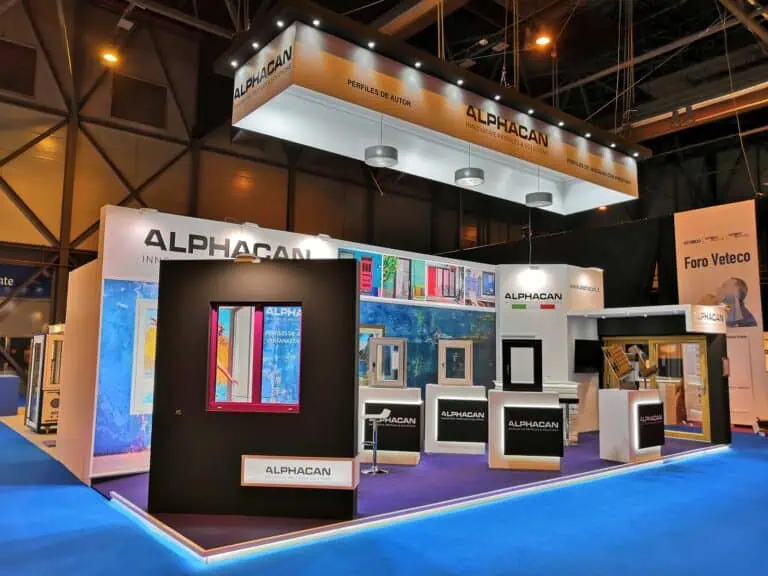
Exhibition Booth Assembly: Everything You Need to Know
Exhibition booth assembly means preparing and installing the stand within the booked event space, then checking it before handover. A reliable plan identifies approved drawings, component instructions, service orders, delivery access, installation responsibilities and removal arrangements. This guide covers planning checks; the actual installation method must come from the responsible provider and event documents.
Table of Contents
- Defining Exhibition Booth Assembly And Basics
- Key Types Of Exhibition Booth Setups
- Essential Steps In Booth Assembly Process
- Requirements, Costs, And Logistical Factors
- Common Mistakes And How To Avoid Them
Key Takeaways
| Point | Details |
|---|---|
| Effective Booth Assembly | Check the approved design, component inventory, installation responsibilities and handover requirements before the event. |
| Choosing the Right Booth Type | Inline, corner, peninsula and island describe aisle layouts. Construction methods and rental packages are separate decisions. |
| Comprehensive Planning Process | Coordinate design approval, transport, access, specialist services, installation, handover and return arrangements. |
| Avoiding Common Mistakes | Resolve missing parts, unclear responsibilities, unapproved changes and untested equipment before opening. |
Defining Exhibition Booth Assembly and Basics
Booth assembly combines the structure, graphics, furniture, lighting and demonstration equipment included in the project. Modular, custom and hybrid stands need different installation plans. Confirm what the installer supplies and what remains with the exhibitor or an appointed specialist.
Create an inventory from the final drawings and scope. Identify structural components, graphics, flooring, fixtures, furniture, cables and equipment, with quantities and packing references. Record which items are rented and who collects them after the event.
Confirm the footprint, open sides, permitted dimensions, service positions and visitor activities before production. Construction methods and aisle layouts are different decisions. Our exhibition stand introduction explains these categories.
Agree a project schedule from technical review and artwork approval through freight, installation, handover and dismantling. The booth management guide explains the responsibilities to record. A combined supplier service does not automatically include every venue order.
Key Types of Exhibition Booth Setups
Inline, corner, peninsula and island describe the footprint’s access to aisles, rather than the construction system. Confirm the actual allocation with the organiser and plan visitor movement, demonstrations and furniture inside it.
The primary exhibition booth types include:
- Inline Booths: Open to an aisle on one side. Confirm the booked dimensions, neighbouring stands and permitted wall heights before planning access and assembly.
- Corner Booths: Open to aisles on two adjacent sides. Keep both approaches in the layout and check which boundaries require walls or finished surfaces.
- Peninsula Booths: Open to aisles on three sides, with a neighbouring boundary on the remaining side. Confirm the actual floor plan rather than assuming a standard size.
- Island Booths: Open to aisles on all four sides. Plan access, storage, cable routes and finished views from each approach within the approved design.
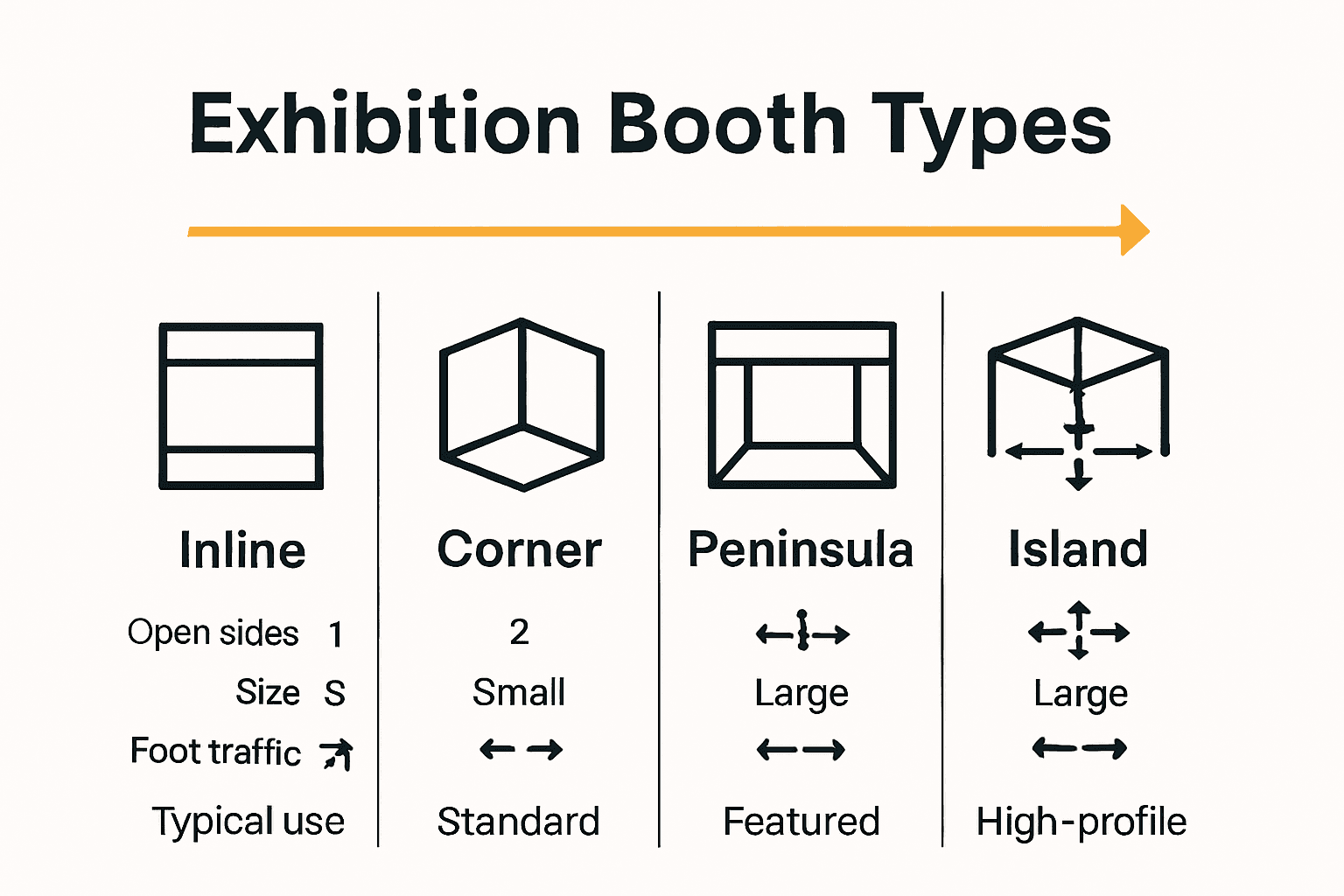
Choose the layout from the booked plan and intended activities. Confirm the open sides, neighbouring stands, access routes and organiser restrictions rather than relying on typical sizes or assumptions about visibility.
Check whether visitors and staff can approach products, use meeting areas and move safely around equipment. Keep queues within the allocated footprint. The layout must work with the service locations and the final technical design.
Essential Steps in Booth Assembly Process
Before installation, agree who verifies drawings, parts, delivery access and service connections. The responsible installer should provide a method and crew plan appropriate to the structure. This article’s checklist does not replace the manufacturer’s instructions or required specialist review.
Use the following checklist to assign owners and confirm readiness:
- Pre-Event Planning and Design
- Develop detailed booth design and layout specifications
- Create comprehensive technical drawings and 3D visualizations
- Select appropriate materials and structural components
- Confirm booth dimensions and space requirements
- Logistics and Transportation Preparation
- Carefully package and label all booth components
- Organize transportation and shipping logistics
- Prepare detailed inventory checklist
- Ensure proper protective packaging for sensitive equipment
- On-Site Setup and Installation
- Conduct initial site survey and space verification
- Unpack and organize booth components systematically
- Have the responsible installation team assemble the structure using the approved drawings, system instructions and agreed method
- Coordinate graphics, equipment and specialist electrical or rigging work with the responsible suppliers and event requirements
- Check stability, finishes, access and equipment operation with the responsible team before handover
For handover and coordination checks, see our display workflow guide. Use the final approved design and component instructions onsite.
Record changes and resolve discrepancies with the responsible project owner before proceeding with affected work.
Before opening, agree a handover covering completion against the approved scope, equipment tests, visible finishes, circulation and any outstanding actions. Keep an onsite contact list for the responsible providers.
Requirements, Costs, and Logistical Factors
Obtain the current exhibitor manual and technical requirements for the event. Assign an owner for submissions and specialist permissions. For example, Messe Frankfurt’s stand-approval page provides separate routes for construction documents and fire-protection or safety requests; use the process for your actual venue.
Request itemised prices for the actual scope, including:
- Initial Investment Costs
- Design and fabrication: obtain a quotation against the approved dimensions, materials and finish specification
- Graphics: confirm artwork preparation, printing, installation and any replacement allowance
- Transport and handling: itemise delivery, venue handling, return freight and storage where applicable
- Installation and dismantling: confirm crew scope, event working windows, equipment and any additional charges
- Recurring Expenses
- Event registration fees
- Travel and accommodation for staff
- Equipment rental or replacement
- Marketing collateral production
Confirm logistics and technical requirements from the current documents:
- Venue Specifications
- Precise booth dimension restrictions
- Electrical and technological infrastructure requirements
- Weight and height limitations
- Floor load-bearing capacity
- Transportation and Shipping
- Custom crating and protective packaging
- Freight and handling considerations
- International shipping regulations
- Insurance and risk management
Our stand budget guide explains how to compare build, services and delivery costs. Confirm tax treatment, exclusions and change charges in writing.
Check the installation window, supplier capacity, crew access, unloading arrangements, empty packaging storage and collection schedule. Confirm who handles each item and how changes will be communicated.
Common Mistakes and How to Avoid Them
Common planning problems include incomplete scope, missing service orders, late artwork, unclear responsibilities and equipment that has not been tested. Check these before freight leaves and repeat the relevant checks at handover.
Top mistakes exhibitors frequently encounter include:
- Design and Visual Communication Errors
- Cluttered booth layout blocking visitor access
- Inconsistent or unclear branding messaging
- Overcrowded graphic displays
- Insufficient visual hierarchy
- Approving artwork without checking dimensions, colours, versions and brand consistency
- Operational and Logistical Missteps
- Inadequate staff training and preparation
- Poor technology integration
- Lack of pre-event equipment testing
- Insufficient backup plans for technical failures
- Overlooking electrical and connectivity requirements
- Strategic Engagement Mistakes
- Passive staff positioning
- Activities that do not explain the product or support the visitor’s next step
- No agreed, approved method for recording useful conversations and arranging requested follow-up
- No clear call-to-action
- Ignoring potential lead qualification processes
Brief the show staff on demonstrations, meeting spaces, equipment and escalation contacts. Use your existing approved visitor-information and follow-up process; decide how the event objectives will be evaluated.
Record lessons from installation, handover and return. Identify damaged or missing parts, changes needed for the next footprint and which graphics or components can be retained.
Professional Exhibition Booth Installation & Setup Guide
Installation planning begins with the event’s access schedule, final drawings and written scope. Confirm the installation provider, required equipment, technical review and service orders before arranging delivery. Use realistic dates from the responsible suppliers rather than one universal lead time.
Exhibition Booth Set Up: Step-by-Step
The installer must establish the assembly sequence from the approved design and system instructions. Confirm the component inventory and allocated space first. Electrical connections, rigging and other specialist work should be assigned to the authorised providers specified for the event.
Trade Fair Booth Execution and Exhibit Setup
Coordinate the installer, freight supplier, venue services and exhibitor around the current event documents. Confirm who submits drawings, orders services, accepts delivery and signs off handover. Record changes through the named project owner.
Exhibition Booth Installation: Professional Standards
Confirm crew access, working hours, any local labour requirements, required training or protective equipment, unloading assistance and storage arrangements. The installation window is set by the organiser; do not assume every stand begins 24–48 hours before opening.
Elevate Your Trade Show Presence with Expert Exhibition Booth Assembly
Discuss the available assembly scope with Adam Expo Stand for your booked event and dates. Ask for relevant examples, a named manager, a written installation plan and an account of specialist or subcontracted work.
Compare the proposed service scope using our turnkey stand buyer’s guide. Confirm inclusions, exclusions, approvals, handover and removal before choosing a supplier.
Create the packing list from the actual stand design: structural parts, graphics, furniture, flooring, fixtures and equipment as applicable. Include quantities, packing references, rented items and return owners. Check condition and missing parts at dispatch and return.
Turn the handover check into a written record
| Record | What to agree |
|---|---|
| Approved scope | Drawing revision, supplied items and accepted changes. |
| Equipment checks | Who tests each supplied system and records the outcome. |
| Open items | Correction, named owner and agreed completion time. |
| Return plan | Who collects rented items, checks condition and receives retained components. |
For the approvals that precede installation, use the design-to-build handover checklist. To discuss installation scope, send your event, floor plan and available drawings.
Frequently Asked Questions
What is exhibition booth assembly?
Exhibition booth assembly is the preparation and installation of the stand’s structure, graphics, furniture and equipment within the booked space. Use the approved drawings, component instructions and current event requirements for the project.
What are the different types of exhibition booth setups?
Inline, corner, peninsula and island describe aisle access. Modular, custom and hybrid describe construction approaches. Confirm the allocated footprint and open sides before agreeing an installation plan.
What are the essential steps in the booth assembly process?
Confirm the approved design and component list, organise delivery access and service orders, assign installation responsibilities, then complete handover checks before opening. Plan dismantling, return and storage as part of the same scope.
What common mistakes should I avoid during booth assembly?
Avoid unclear scope and approvals, missing parts, unconfirmed delivery access, incomplete service orders and untested equipment. Follow project-specific installation instructions and assign a named owner for unresolved issues.
Recommended
- Success Exhibiting at IFEMA Madrid: The Ultimate Exhibitor Guide
- The Ultimate Guide to Trade Booth Rental Design in Europe | Adam Expo Stand Solutions
- Types of Exhibition Stands | Choose the Best for Your Brand
- The Ultimate Guide to Trade Show Booth Types and Strategies | Adam Expo Stand Solutions
Follow our exhibition planning guides
Choose Adam Expo Stand as a preferred source to help you find our exhibition guides and updates on Google.
Add as a preferred source on GoogleGoogle may ask you to sign in and confirm your choice.