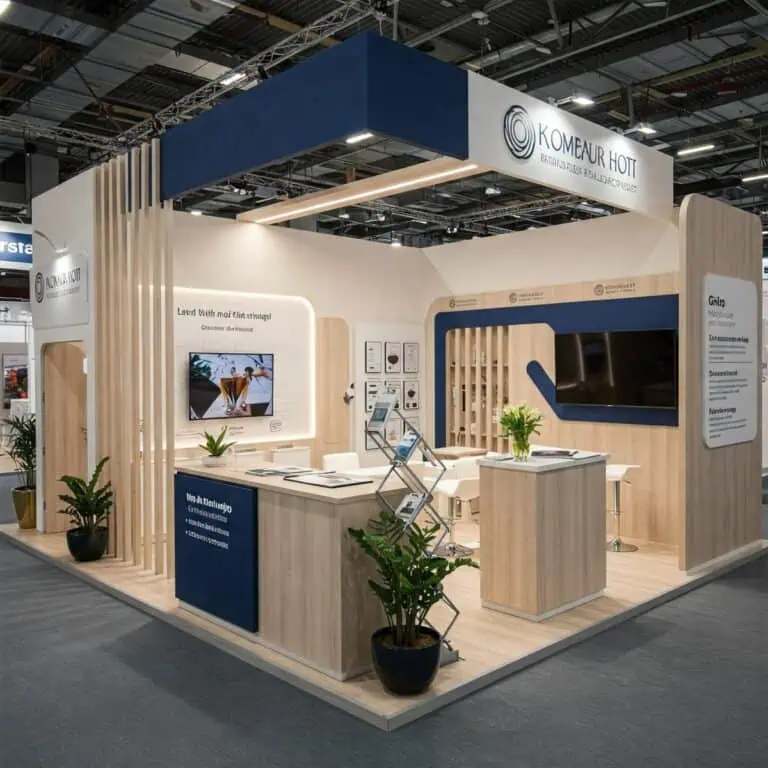
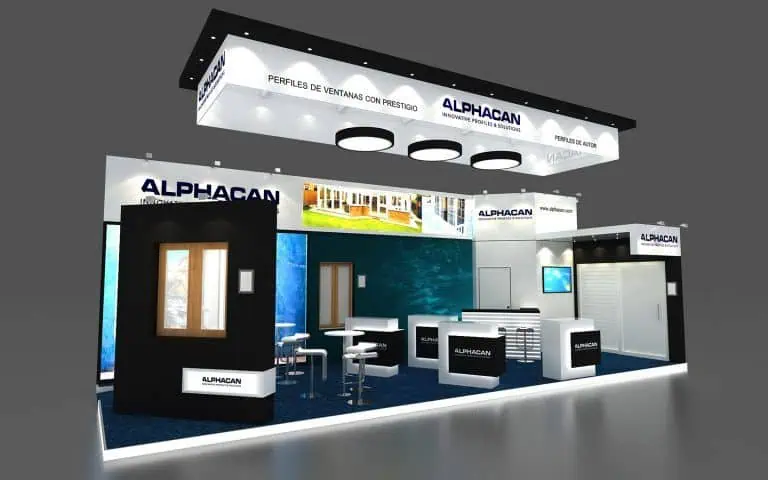
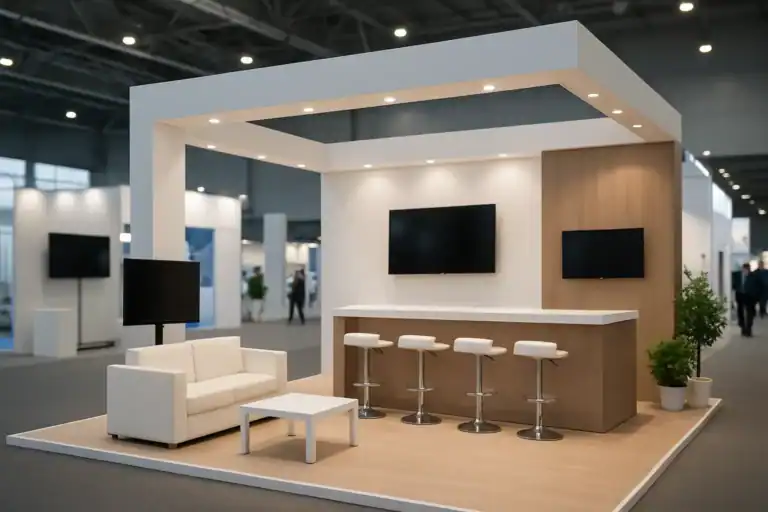
A Fruit Attraction stand should help the right buyers understand your products, inspect what matters and continue a useful conversation. Start the brief with the products, handling needs and meetings you want to support. Then agree the layout, equipment and responsibilities with the supplier.
Edition context: Fruit Attraction 2026 took place on 6–8 October at IFEMA MADRID, according to the organiser’s official information. That edition has ended. Use this article to review your participation or prepare a future brief; obtain the documents for the edition you actually book.
1. Specify what the Fruit Attraction stand must display
List the products you intend to show: fresh produce, packaged ranges, ingredients, equipment or services. For each, record dimensions, quantity, packaging, replenishment needs and the information a buyer needs to compare it. Distinguish an item displayed for inspection from one intended for tasting or a working demonstration.
Provide the supplier with the actual equipment schedule rather than a request for a generic food stand. If a display needs temperature control, water, drainage or another service, have the appropriate product and technical specialists define the requirement. Agree who supplies, installs, operates and checks the equipment.
2. Give product discovery and meetings enough room
Mark the allocated plot, open sides, columns and other restrictions on the current organiser plan. Map the visitor activities before choosing the architecture: recognising the range, inspecting a product, asking a question, joining a demonstration and having a buyer meeting. Decide which activities must happen at the same time.
Separate replenishment and storage from visitor access. Record the quantities of samples, literature and packaging that need to be kept on the stand, and how staff will reach them. Test whether queues, seating or open doors could obstruct movement. Review access and the applicable event requirements with the responsible technical team.
For meetings, specify how many people need to talk, whether the discussion needs privacy, which languages the team can support and what information should be ready. There is no universal table count or stand size that suits every exhibitor.
3. Plan the sampling operation before designing a counter
If sampling is part of the participation, describe the whole operation: delivery, receiving, storage, preparation, serving, replenishment and removal of waste. Assign an owner to each stage. Ask the organiser and the appropriate competent specialists which permissions, facilities and product-handling arrangements apply to the activity.
Tell the designer which equipment and supplies will occupy the counter and the space behind it. Keep product information available for the people serving samples, and agree how visitor questions will be answered. Do not assume that ordering a counter includes catering, refrigeration, cleaning or any required authorisation.
4. Compare supplier proposals against the same brief
Send the same plot, product list, activities and delivery expectations to each supplier. Compare the written inclusions and assumptions alongside the drawings. A headline price is difficult to assess when one proposal includes transport or equipment and another leaves them to the exhibitor.
| Area | What to confirm |
|---|---|
| Design and production | Drawings, review stages, structure, graphics, finish samples and approval responsibilities. |
| Displays and equipment | Product supports, counters, storage, furniture, lighting and any specialist equipment. |
| Event services | Who orders each service, what the quotation includes and which charges are separate. |
| Delivery | Transport, venue handling, installation, checks, handover and support during the event. |
| After the event | Dismantling, return transport, ownership, condition checks, storage and reuse. |
Record each item as included, separately ordered, excluded or unconfirmed. Request a quotation for the actual project rather than using an unsourced price per square metre. Stand area alone does not establish the cost of equipment, finishes, handling or event services.
5. Agree the handover and the commercial follow-up
Keep the current organiser instructions and deadlines with the approved drawings. Identify who submits documents, who can approve changes and which version is authorised for production. Agree when your team can check the finished stand and how to report an issue.
Before the event, decide how staff will record the product interest, commercial question and agreed next step from a conversation. Assign follow-up owners. After the event, compare completed meetings, sample requests and subsequent business with your objectives and full participation cost. An open sales opportunity is different from realised revenue.
Fruit Attraction briefing checklist
- Booked edition, plot plan, open sides and current organiser documents.
- Products, packaging, display quantities and handling requirements.
- Meetings, demonstrations, sampling and visitor information.
- Equipment, services, storage, staff access and replenishment.
- Languages, approved graphics and the person responsible for sign-off.
- Itemised scope, delivery checks, event support and dismantling.
- Enquiry follow-up and any intended reuse of the stand elements.
Questions exhibitors often ask
Does a Fruit Attraction stand need a custom build?
Compare the booked package, a modular format and a custom proposal against the same activities and equipment. The appropriate choice depends on the plot, product presentation, responsibilities and future use. A format alone does not guarantee more meetings or sales.
Where should I check the technical requirements?
Use the documents supplied for your booked edition and IFEMA MADRID’s official participation regulations. Resolve project-specific questions with the organiser and the responsible technical specialists before production.
What should I send when requesting a quote?
Send the plot plan, product and equipment lists, intended visitor activities, brand files, known deadlines and the services you want included. Mark provisional information clearly so the supplier can identify what still needs a decision.
For the wider process, read our exhibition stand design information or send the available project details to discuss the next briefing stage.
Compare a possible stand format
Five briefing prompts. The suggestion uses size, exhibition frequency, purpose and timing; confirm suitability with the actual project plan.
1 / 5 — What booth size are you planning?
Follow our exhibition planning guides
Choose Adam Expo Stand as a preferred source to help you find our exhibition guides and updates on Google.
Add as a preferred source on GoogleGoogle may ask you to sign in and confirm your choice.
Similar Posts
Exhibition Stand Design: Brief, Layout and Delivery
Prepare an exhibition stand design with a useful brief, activity layout, technical review, clear quotation, installation checks and evaluation.
Sustainable Exhibition Stand Ideas: Materials and Reuse
Evaluate sustainable exhibition stand ideas through documented materials, retained components, rental and custom options, programme costs and reuse records.
Bespoke Event Stands: Briefing, Delivery and Handover Guide
Plan bespoke event stands from briefing and scope through approvals, production, costs, installation, acceptance, dismantling, storage and outcome review.
Event Display Planning Workflow: Decisions and Handoffs
Use an event display planning workflow to assign decisions, control document versions, coordinate approvals, handle changes and verify handover.
Turnkey Exhibition Stands in Europe: Scope and Responsibilities
Compare turnkey exhibition stands by written scope: design, production, services, delivery, handover, support, exclusions and responsibilities.