Quick Summary
| Key Insight | What You Need to Know |
|---|---|
| Modular: Check Reconfiguration | Ask which components fit each planned footprint and what needs replacing. |
| Custom: Design to the Brief | A bespoke build can include reusable parts; compare the actual design and delivery scope. |
| Compare the Full Cost | Include design, production, graphics, logistics, installation, storage and future changes for both options. |
| Check Reuse and Waste | For modular stands and custom builds, request a component-level reuse and end-of-use plan. |
Table of Contents
- Modular vs Custom Exhibition Stands: An Introduction
- What are Modular Exhibition Stands?
- What are Custom Built Exhibition Stands?
- Potential Benefits of Modular Exhibition Stands
- How Much Do Custom Exhibition Stands Cost Compared to Modular?
- Modular and Custom Stand Installation: Planning the Schedule
- Exhibition Stand Sustainability: Checking Reuse and Waste
- Visual Impact and Branding: Can Modular Match Custom?
- Modular Exhibition Stands versus Custom Built: A Feature Comparison Table
- Adam Expo Stand – Exhibit Booth Design and Build: Custom Solutions for a Lasting Impression
- ExpoMax Modular Trade Show Displays: Reusable and Adaptable Solutions
- Modular System Specifications: What to Request
- System Compatibility and Supplier Availability
- Skyline Proposals: Verify the Current Product and Scope
- Pros and Cons of Modular Exhibition Stands
- Pros and Cons of Custom Built Exhibition Stands
- When to Choose Modular Exhibition Stands
- When to Choose Custom Built Exhibition Stands
- Hybrid Approaches: Combining Modular and Custom Elements
- Exhibition Stands in Madrid: Finding the Right Solution
- Making the Choice: Brief, Budget and Delivery Checks
Last reviewed: October 2, 2026
Modular versus custom is a construction decision, not a guarantee of cost, speed or event results. Start with the booked footprint, visitor activities, approved budget and future show plans. This comparison explains the questions to ask before choosing modular components, a bespoke build or a combination of both.
Modular vs Custom Exhibition Stands: An Introduction
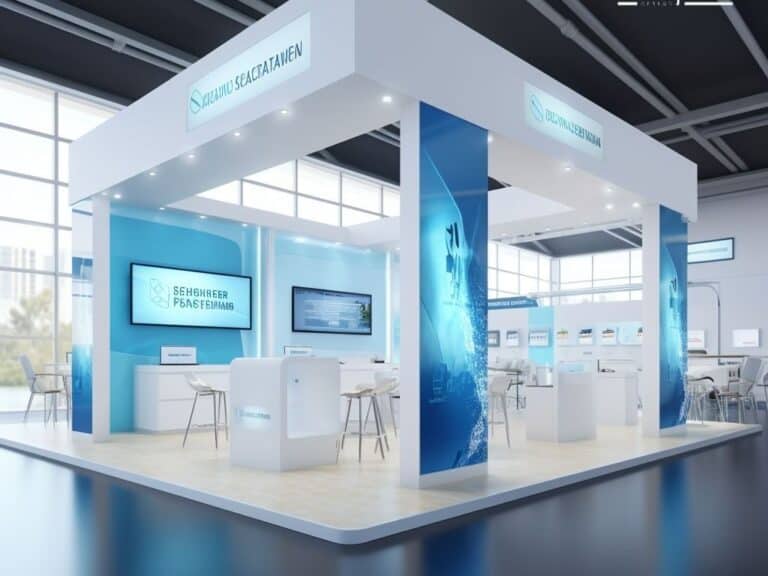
Compare modular and custom exhibition stands against the same brief. Record the open sides, demonstration needs, meeting space, storage, equipment and branding requirements. Then assess the proposed layout and full delivery scope. Either approach can be rented, purchased or delivered through a managed package; construction method and supplier responsibility are separate decisions.
What are Modular Exhibition Stands?
Modular exhibition stands use standardised components that can be assembled in compatible configurations. Reuse is possible when the inventory, condition and future layouts allow it. Ask the supplier for drawings for each planned footprint, a component list and any additional parts or graphics needed. A system’s potential flexibility does not mean every layout is achievable with the same kit.
What are Custom Built Exhibition Stands?
Custom exhibition stands are designed around a particular brief rather than relying entirely on a standard system. They can include reusable structures, rented equipment and components designed for later events. Compare design freedom, production needs, storage and future adaptation using the actual proposal; custom does not automatically mean single-use or more expensive.

Potential Benefits of Modular Exhibition Stands
Modular construction can be useful when compatible components will be used across several events. Potential benefits include reconfiguration and reduced new fabrication, but the outcome depends on the inventory and delivery plan. Ask what will be reused, what will be replaced and what each subsequent show will cost.
Increased Flexibility and Reusability
To assess flexibility, give the supplier the confirmed or expected footprints for future events. Ask for layouts showing component quantities, open sides, storage and visitor routes. Changes in height, shape, equipment or graphics can require new parts. Keep a record of the owned or rented inventory and its condition after each show.
Storage and Transportation Checks
Compare packed volume, weight, protective cases, loading requirements and storage arrangements for both proposals. A modular frame may pack compactly, but graphics, furniture and equipment also need transport. A bespoke design can be built in reusable sections. Request the actual logistics estimate rather than assuming a saving from the construction label.
How Much Do Custom Exhibition Stands Cost Compared to Modular?
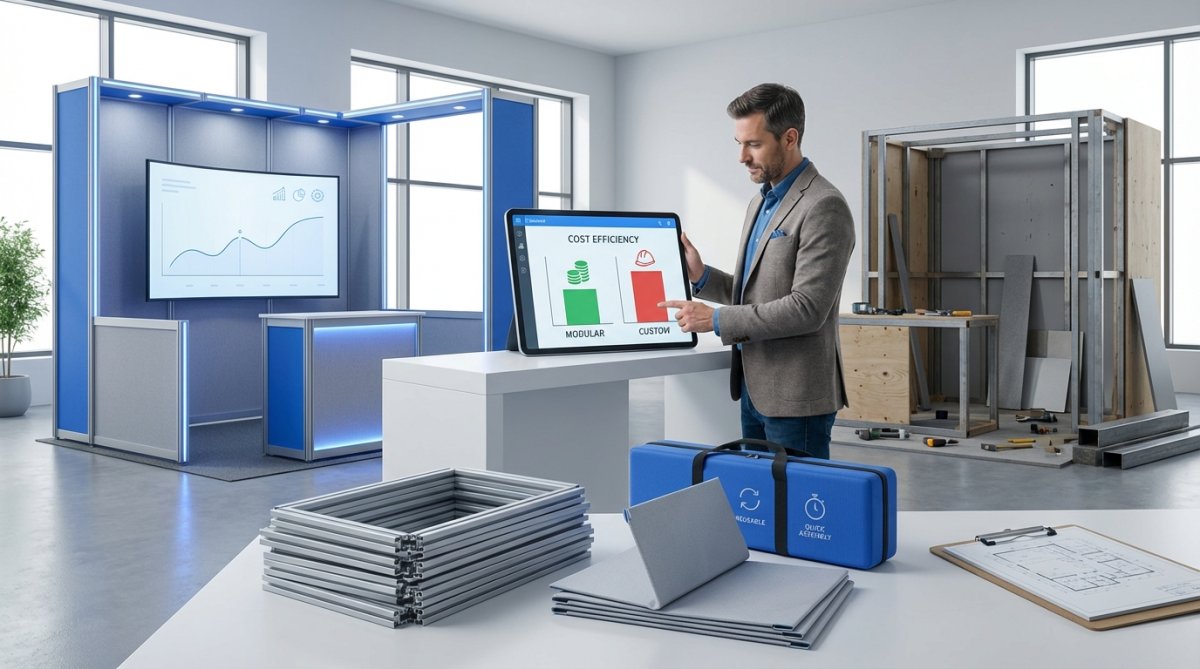
The cost of modular versus custom exhibition stands depends on the design and service scope. Request itemised prices using the same brief, including delivery, installation, venue services, dismantling and any storage. Compare rental and ownership over the events you plan to attend; a fixed percentage saving is not a reliable buying rule.
Costs to Check: Design, Installation and After the Show
For either approach, check these cost lines and who is responsible for them:
- Design and approvals: Define drawings, revisions and artwork preparation included in the price.
- Installation and services: Check crew, equipment, unloading and separately ordered venue items.
- After the show: Confirm dismantling, return transport, storage, repairs and waste handling.
Ask each supplier to identify included quantities, exclusions, allowances and changeable charges. Separate initial design and production costs from recurring logistics, installation, repairs, storage and graphics. For a fuller budgeting checklist, see our exhibition stand cost guide.
Modular and Custom Stand Installation: Planning the Schedule
Installation time depends on the complete stand, crew, equipment and venue access. Ask for a schedule covering unloading, structure, graphics, furniture, electrical work, equipment checks and handover. A frame assembly estimate is not the time needed to open a finished booth. Confirm the event’s build-up window and the fallback plan for delays.
Exhibition Stand Sustainability: Checking Reuse and Waste
Evaluate reuse and waste at component level for either construction method. Ask which structures, graphics, flooring and furniture will return to use, how they will be stored and what happens to damaged items. Claims about recyclable materials should identify the material and available collection route. Modular construction alone does not establish a lower overall environmental impact.
A documented reuse example: Messe Frankfurt’s May 2026 IMEX report describes three designs over five years using the same construction materials. The project reused modular structure, textile graphics and flooring. This is evidence about that project, rather than a universal environmental result for every modular stand.
Visual Impact and Branding: Can Modular Match Custom?
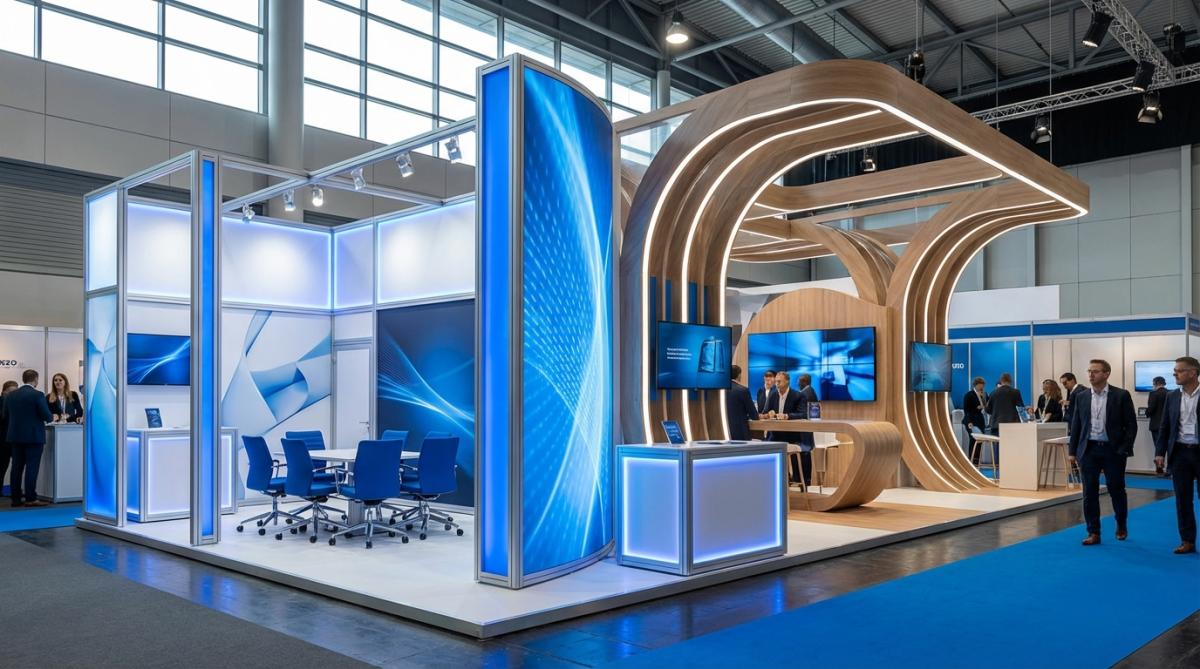
Judge visual impact from the proposed layout and graphics rather than the frame type. Check sightlines, readable messaging, lighting and space for the intended demonstration. Modular and custom designs can both support branding, subject to system limits, dimensions and budget. Review the design from the aisle and from the visitor’s position at the counter.
Modular Exhibition Stands versus Custom Built: A Feature Comparison Table
| Feature | Modular Exhibition Stands | Custom Built Exhibition Stands |
|---|---|---|
| Cost | Compare the kit and full service scope | Compare the design and full service scope |
| Design Flexibility | Check compatible configurations and component limits | Check the proposed geometry and production requirements |
| Sustainability | Document actual reuse, replacement and waste routes | Document actual reuse, replacement and waste routes |
| Installation | Confirm crew, full installation schedule and checks | Confirm crew, full installation schedule and checks |
| Transportation | Request packed volume, weight and handling plan | Request packed volume, weight and handling plan |
| Visual Impact | Review graphics, lighting, sightlines and activity space | Review graphics, lighting, sightlines and activity space |
| Reusability | Check inventory condition and future layout compatibility | Check reusable sections and future adaptation costs |
| Customization | Confirm permitted additions and graphic changes | Confirm bespoke elements, approvals and change costs |
| Event Results | Depends on offer, audience, staffing and follow-up | Depends on offer, audience, staffing and follow-up |
| Environmental Evidence | Evaluate materials, reuse, transport and waste together | Evaluate materials, reuse, transport and waste together |
Adam Expo Stand – Exhibit Booth Design and Build: Custom Solutions for a Lasting Impression
Adam Expo Stand provides exhibition stand design and build services. When comparing a proposal, ask for relevant examples, a layout matching your booked space and a written delivery scope. Confirm which components are rented or owned, which can be reused and what your team must provide. A clear brief and approval process are more useful than promises of guaranteed event results.
ExpoMax Modular Trade Show Displays: Reusable and Adaptable Solutions
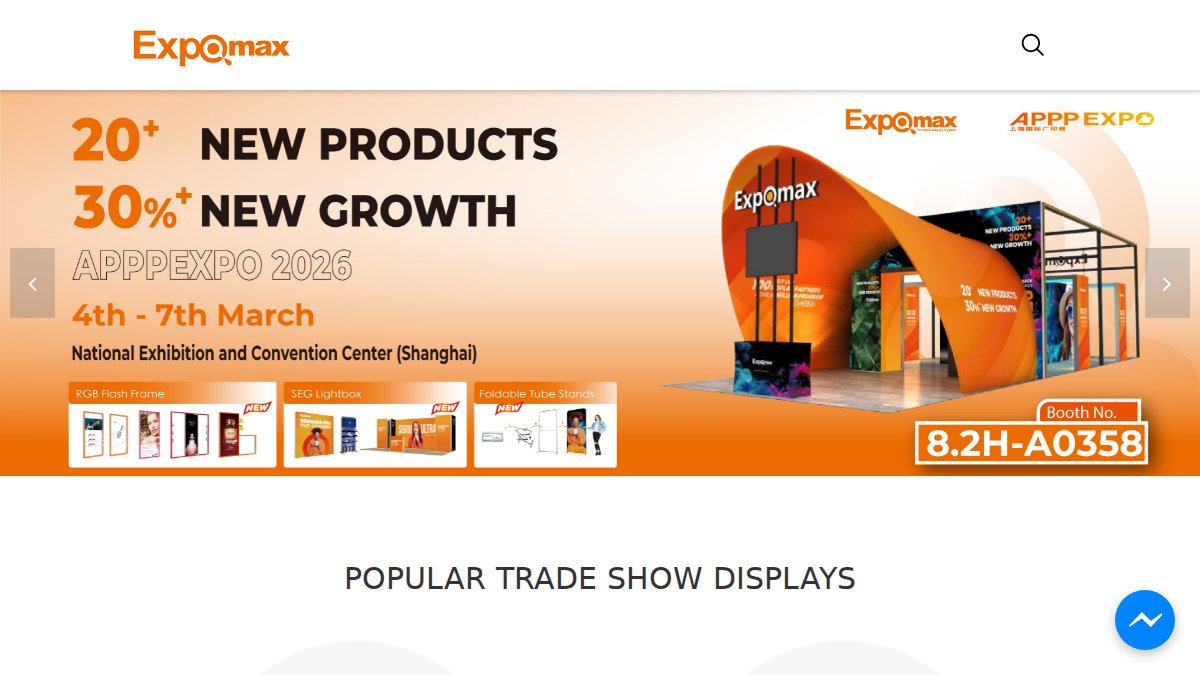
If a supplier proposes an ExpoMax-branded product, request the exact model, drawings, included parts and current specification. Check graphics, lighting, packed dimensions and available installation support. The existing screenshot is retained as an existing reference image; it is not verification of a product’s current features, price or savings.
Modular System Specifications: What to Request
For any modular system proposal, ask for a component list and a layout drawing rather than relying on a generic product name. Confirm connection details, assembly instructions, permitted configurations, load limits where relevant and installation responsibilities. Obtain a project-specific price and schedule; kit dimensions alone do not establish installation time.
System Compatibility and Supplier Availability
Ask the supplier to identify the actual manufacturer and system model, and document compatibility before combining parts. Similar names or aluminium construction do not prove that components work together. Check the approved drawings, required connectors and accessories, local availability and replacement-part arrangements. The retained website screenshot does not establish these details.
Skyline Proposals: Verify the Current Product and Scope
If considering a Skyline proposal, verify the current product with the supplier and compare the exact rental or purchase scope. Ask for layout drawings, graphics and equipment requirements, packing details and installation arrangements. The retained website screenshot is a reference image and does not verify a current model, price or delivery time.
Pros and Cons of Modular Exhibition Stands
Potential advantages:
- Potential to reuse compatible components
- Packing can be planned around a recorded inventory
- Repeat assembly may simplify planning for familiar layouts
- Components may suit several approved configurations
- Reusable parts can reduce new fabrication when actually reused
Checks and limitations:
- Available components constrain some dimensions and shapes
- New footprints may require additional parts or graphics
- Check visible joints, finish options and equipment integration
Pros and Cons of Custom Built Exhibition Stands
Potential advantages:
- Layout and display elements tailored to the brief
- Finishes and graphics designed around the brand
- Room to address specific demonstration or meeting needs
- Potential for bespoke architectural features within approved limits
Checks and limitations:
- Bespoke production can require additional design and approval work
- Installation needs depend on the proposed structure and equipment
- Reuse requires a storage and future adaptation plan
- Confirm the full logistics and dismantling scope
When to Choose Modular Exhibition Stands
Consider modular construction when the proposal meets these conditions:
- The required layouts fit the proposed inventory.
- You have a realistic plan for future use.
- Storage, maintenance and replacement costs are included in comparisons.
- The packing and installation plan suits the event.
When to Choose Custom Built Exhibition Stands
Consider custom construction when the brief needs these features and the proposal supports them:
- The visitor activity needs geometry beyond available system options.
- The design has an approved budget and production schedule.
- Reuse or end-of-use arrangements are specified.
- The supplier can meet the required approvals and handover date.
Hybrid Approaches: Combining Modular and Custom Elements
A hybrid stand combines a modular structure with bespoke elements such as counters, displays or finishes. It can support a specific brand brief while retaining reusable components, but assess the connections, packing, installation and future layouts. Ask which parts can be reused and which would need modification before assuming cost savings.
Exhibition Stands in Madrid: Finding the Right Solution
For an exhibition in Madrid, compare proposals against the booked event, hall and footprint. Ask who checks the current organiser documents, prepares approval submissions and orders venue services. Confirm delivery access, unloading, installation and dismantling dates. Our Madrid stand planning guide covers further questions for the project brief.
Planning check: agree a handover appointment before opening. Inspect graphics, equipment, lighting, storage and visitor routes against the approved design, then record issues and who will resolve them. Apply the same acceptance process to modular, custom and hybrid builds.
Making the Choice: Brief, Budget and Delivery Checks
Choose the proposal that meets the brief, fits the full budget and has a realistic delivery and reuse plan. Compare the same service scope, identify assumptions and record approval dates. For management responsibilities, see the turnkey stand buyer’s guide. Track event outcomes separately; no construction method guarantees leads or return on investment.
Share the event, booked footprint, visitor activities, budget and future show plans with Adam Expo Stand. Ask for a layout and proposal with clear inclusions, exclusions, delivery responsibilities and reuse options before choosing a modular, custom or hybrid stand.