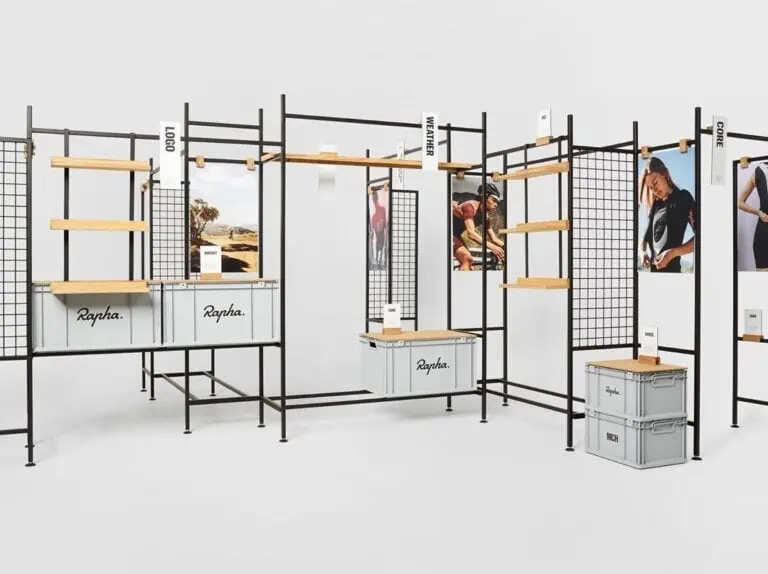
An Advanced Manufacturing Madrid stand should let visitors assess an industrial product, understand a process and discuss its suitability. Plan the display or demonstration around the actual equipment, plot and technical requirements. Coordinate services, handling, approvals and staff before production, then compare the complete delivery cost and prepare a clear handover and return plan.
Advanced Manufacturing Madrid 2026: dates and halls
Advanced Manufacturing Madrid takes place on 4 and 5 November 2026 in Halls 2, 4 and 6 at IFEMA MADRID. The official event website gives public opening hours of 09:30–18:00 on both days. These are visitor hours, rather than construction or machinery delivery slots.
The event is organised by Easyfairs. Its current areas cover metal and machine tools, automation and digitalisation, composites engineering, surface treatment, additive manufacturing, and test and quality control. The organiser also highlights industrial subcontracting. Use the current floor plan and booked stand number to confirm your location; do not add Hall 1 from an older description.
MetalMadrid remains a useful term when discussing the industrial event, but reproduce the current event name, category and stand number accurately in visitor information. A logo or historic event label does not establish which hall, plot or technical conditions apply to your booking.
Start the Advanced Manufacturing Madrid stand brief with the product
Choose what visitors need to examine and what can realistically run on the stand. Separate a static machine, a working demonstration, component samples and a software presentation. List the equipment and materials for each activity before allocating display, operator and meeting space.
| Offer | Useful presentation | Planning information |
|---|---|---|
| Metalworking or machine tools | Static unit, approved cycle or finished parts | Dimensions, weight, handling, operating envelope and required services |
| Automation or industrial software | Defined robot task or sample workflow | Responsible operator, demonstration data, safeguards and connection |
| Composites | Material samples, sections or process explanation | Sample identification, support, handling and any proposed process review |
| Surface treatment | Before-and-after pieces or an approved demonstration | Actual substances, equipment and operating conditions for specialist review |
| Additive manufacturing | Printed parts, a model or a permitted live process | Material, equipment and service requirements from the manufacturer |
| Testing, quality control or subcontracting | Measurement task, sample inspection or project discussion | Reference samples, stated conditions, technical material and a specialist |
This framework helps write the brief; it does not approve an operation. A sample or recorded process can be more appropriate where a live activity cannot meet the project’s requirements.
Specify machinery handling and operation separately
Give the designer and competent handling provider the machine’s transport and installed dimensions, weight, support points and lifting instructions. Agree the delivery route, positioning sequence, packaging and equipment needed. A stand drawing should show the machine and the space needed to install, operate, maintain and remove it.
Do not prescribe reinforced flooring, three-phase power or compressed air for every industrial stand. Determine the needs from the actual equipment and have the relevant provider check the proposed arrangement. A lightweight component display and a production machine need different evidence and services.
The participation regulations explicitly headed 2026 include machinery, laser, electrical and safety requirements. Ask the responsible specialist to review the intended activity with the organiser. Keep guards and safety systems in their required configuration; plan visitor observation and supervision before proposing a public demonstration.
For digital presentations, use approved test data and a defined workflow. Show the conditions behind a measurement or performance example. Do not present a demonstration result as proof of what every customer’s installation will achieve.
Resolve approvals and services through the event’s current process
Use the contracted plot, organiser requirements and IFEMA MADRID regulations together. Identify the responsible party for stand design review, suspended structures, electrical arrangements, machinery access and occupational risk documentation. Record submission status, approval conditions and unresolved questions.
Planning update, 11 October 2026: the organiser’s 2026 rules list 28 September for special decoration submissions and say the online shop closes on 7 October. For an unresolved project or additional requirement, ask operations for the current procedure and availability. Do not rely on an invented universal three-week approval period or assume a late change can be accepted.
Confirm build, delivery and dismantling appointments from the current exhibitor manual or your operations instructions. The regulations distinguish vehicle access from machinery positioning authorisation. Share the confirmed arrangements with the carrier and the person receiving the load; public opening is not a move-in booking.
Compare construction options and the complete cost
The organiser’s stand options page describes several packages and configurations. Ask for the specification and price applying to your booking, then check it against the equipment and activity list. Included lighting or a socket should not be assumed to cover a working machine.
For any supplier proposal, separate space and organiser charges from design, construction or rental, graphics, furniture, installation and removal. Identify handling, freight, service connections and consumption, rigging where applicable, connectivity, storage, cleaning, waste and return transport.
Compare modular and custom construction by functional fit, documented configuration and the actual future programme. Rental and ownership are commercial arrangements that need a written scope. A number of shows per year does not by itself prove that a system is cheaper, and a reusable component does not establish the whole project’s environmental impact.
Arrange technical conversations and a usable handover
Put clear product identification and relevant specifications beside the display. Provide space for the intended visitors and keep demonstrations and waiting groups within the plot. Schedule an activity when its duration and staffing justify it, rather than assuming all industrial visitors follow the same timetable.
Assign staff who can explain the application and refer detailed engineering, integration or maintenance questions to the right specialist. If a visitor asks something that needs checking, record it and agree a response. Avoid promising a specification or delivery date on another supplier’s behalf.
At handover, check the stand, equipment position, services, graphics, storage and visitor route. Run the approved demonstration with the responsible operator and test the backup explanation. Record defects, limitations, support contacts and action owners.
Plan follow-up and the return of equipment
Capture the application, relevant equipment, question and agreed next step using the privacy information and permissions appropriate to the process. Event contact tools described in the exhibitor resources can support record keeping; an interaction still needs context before it becomes an opportunity.
Agree who shuts down, protects, packs and releases each machine or sample for collection. Reconcile the inventory and record the condition of reusable stand parts. Review conversations, quotations, technical trials and resulting business separately so future decisions rest on evidence.
Industrial stand questions
Must we bring a working machine?
Use a live activity when it helps assessment and can be delivered within the approved scope. Static equipment, samples, models and recordings can support a useful technical conversation too.
How much should the stand cost?
Obtain current organiser charges and supplier quotations for the actual equipment, plot and services. Compare the complete scope and exclusions rather than a generic square-metre range.
What should we send a builder?
Send the booked plot, approval status, equipment specifications, planned activities, handling requirements, service needs, budget and return arrangements. Contact Adam Expo Stand to discuss that scope.
Follow our exhibition planning guides
Choose Adam Expo Stand as a preferred source to help you find our exhibition guides and updates on Google.
Add as a preferred source on GoogleGoogle may ask you to sign in and confirm your choice.