

Step-by-Step Guide to Custom Booth Fabrication Success
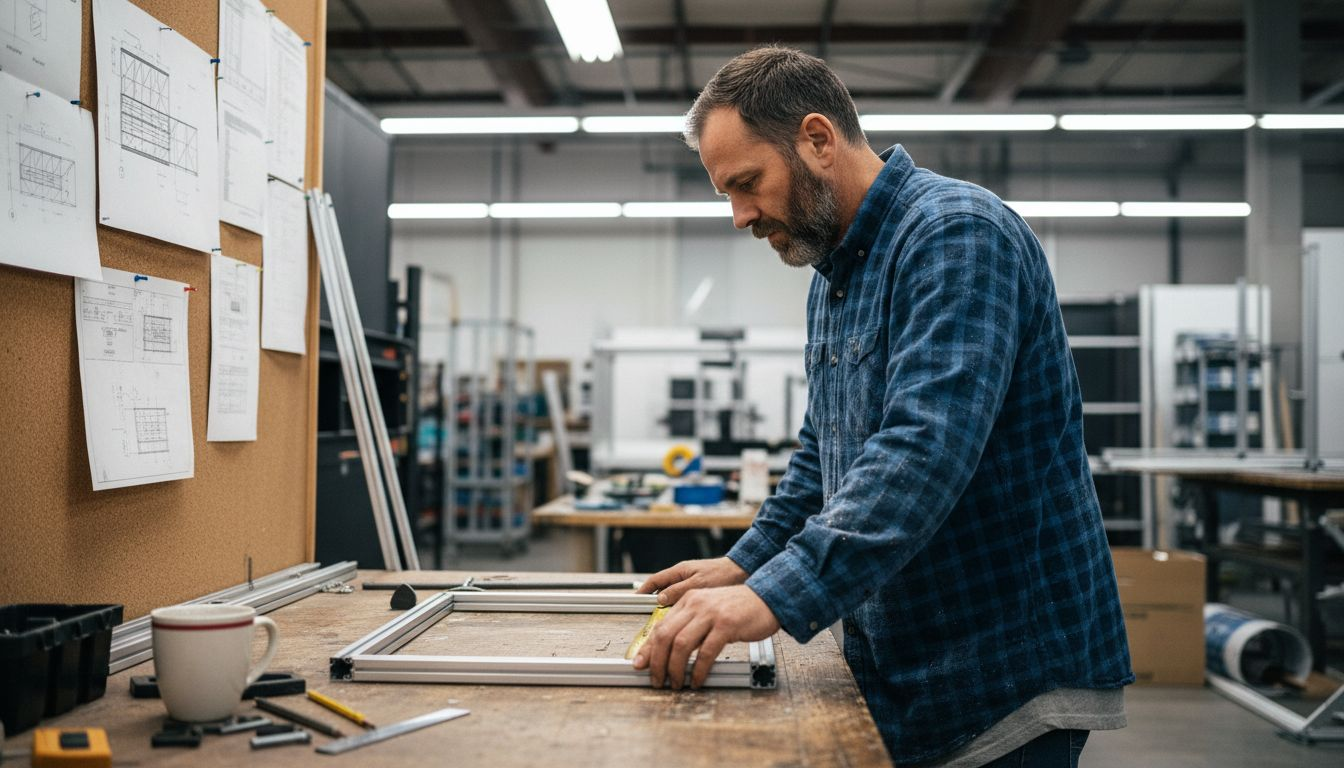
Every marketing manager knows the pressure of making a bold impression at major international events. Standing out in crowded trade show halls means more than catching eyes—it demands a booth that clearly delivers your brand’s unique message and invites meaningful connections. With a focus on defining precise goals, selecting sustainable materials, and using innovative visualization methods, you can transform your space into a powerful showcase of your company’s competitive advantage and drive memorable attendee engagement.
How to Evaluate Custom Exhibit Stand Fabrication Quality and Service
Knowing how to evaluate custom exhibit stand fabrication quality and service before you sign a contract is one of the most valuable skills an experienced exhibitor develops. Fabrication quality is difficult to assess from a brochure or website—it requires direct evidence: factory visit or virtual tour, reference projects from previous clients at the same venue scale, and material specification sheets that confirm exactly what goes into the build.
Booth Design and Fabrication Quality Checklist
When evaluating booth design and fabrication suppliers, request answers to these questions: What substrate do you use for printed graphic panels? What aluminium grade and profile thickness for structural members? What surface finish for visible MDF components? What adhesives and fixings for graphic application? Suppliers who answer these questions with confidence and specificity demonstrate genuine fabrication expertise. Those who deflect or give vague answers are likely reselling manufactured components without in-house quality control.
Custom Trade Show Booth Design Fabrication Installation Steps
The custom trade show booth design fabrication installation steps that define a professional outcome are: (1) Design approved and frozen in CAD; (2) Materials ordered to specification; (3) Structural components fabricated and QC-checked; (4) Graphics produced and colour-matched to brand guidelines; (5) Pre-build assembly at the factory to verify fit; (6) Full component manifest prepared against the CAD; (7) Freight to venue in protected cases; (8) On-site installation by the fabrication team’s own crew. Steps 5 and 8 are where budget suppliers cut corners—and where problems most frequently emerge on show day. Knowing how to evaluate custom exhibit stand fabrication quality and service means verifying that these steps are contractually committed, not merely promised verbally.
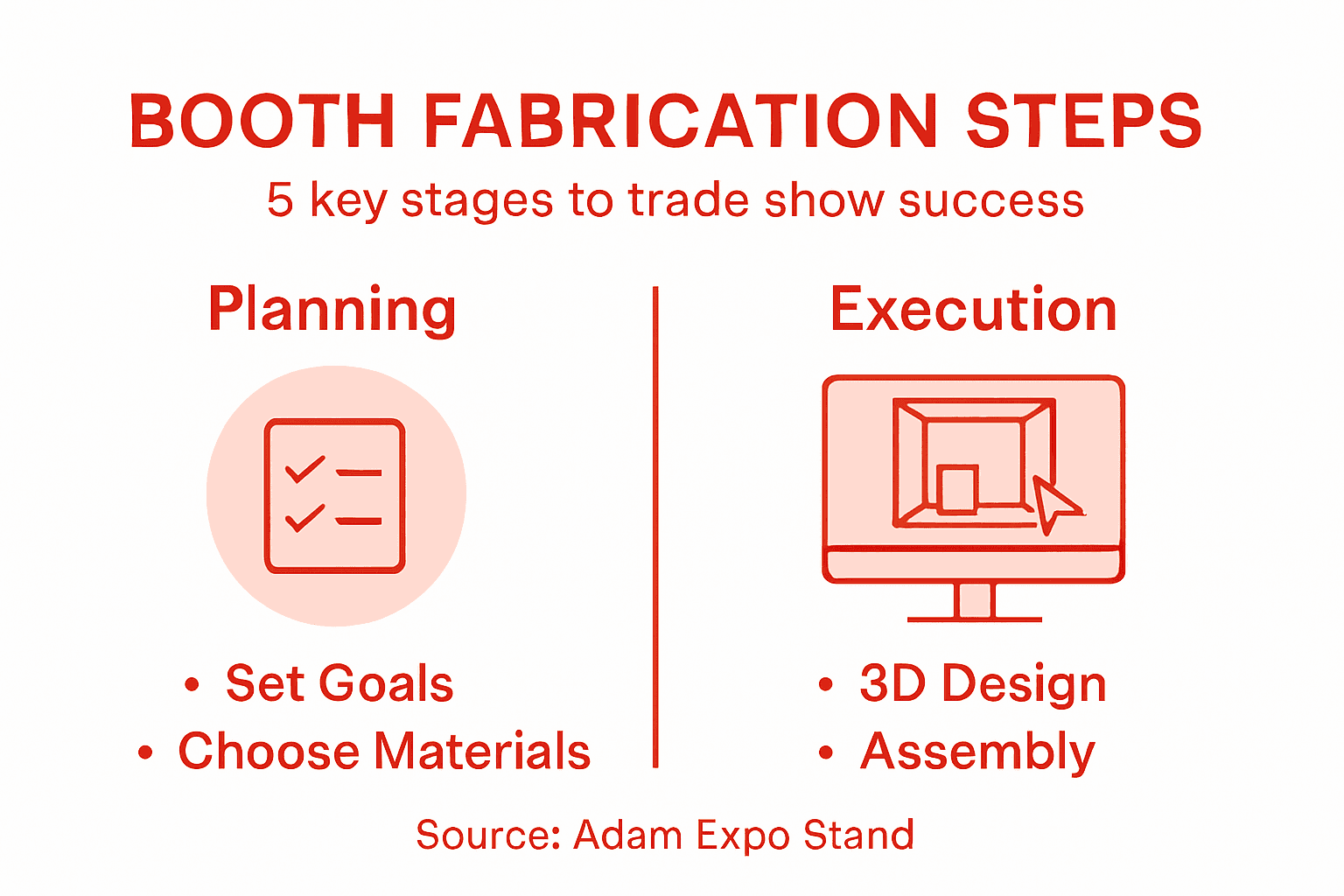
Table of Contents
- Step 1: Define Booth Goals And Brand Requirements
- Step 2: Select Materials And Sustainable Solutions
- Step 3: Develop 3D Booth Design And Visualization
- Step 4: Coordinate Fabrication And On-Site Assembly
- Step 5: Verify Booth Quality And Attendee Engagement
Quick Summary
| Key Point | Explanation |
|---|---|
| 1. Define Clear Booth Objectives | Set specific goals and understand your brand’s identity to maximize trade show impact. |
| 2. Prioritize Sustainable Materials | Choose materials that enhance your booth’s aesthetics while being environmentally responsible. |
| 3. Create Detailed 3D Visualizations | Utilize 3D design tools for accurate representations that aid in refining booth concepts. |
| 4. Coordinate Assembly and Logistics | Ensure effective communication and planning for smooth booth setup during the event. |
| 5. Verify Quality and Engagement Potential | Test all booth elements for functionality and visitor experience before the trade show. |
Step 1: Define booth goals and brand requirements
Successful trade show participation begins with crystal-clear objectives. Your booth design serves as a strategic communication platform that must instantly convey your brand’s unique value proposition and engage potential clients.
To effectively define your booth goals and brand requirements, start by mapping out precise strategic marketing objectives. This process involves several critical components:
- Identify your target audience demographics
- Clarify your primary trade show participation goals
- Determine key performance indicators (KPIs) for measuring success
- Analyze your brand’s current market positioning
Your booth design should reflect a comprehensive understanding of your brand’s core messaging and visual identity. This means translating abstract brand values into tangible design elements that resonate with your target market. Personalized booth design strategies play a crucial role in creating memorable brand experiences.
Your booth is more than a physical space – it is a three-dimensional representation of your brand’s narrative and competitive advantage.
When defining your requirements, consider both visual and functional aspects. Functional requirements might include technology integration, meeting spaces, product demonstration areas, and storage solutions. Visual requirements encompass color schemes, graphic elements, lighting, and overall aesthetic alignment with your brand identity.
Here’s a summary of design considerations by booth feature:
| Booth Feature | Key Design Priority | Strategic Value |
|---|---|---|
| Reception Area | Clear branding, easy access | First impression, immediate impact |
| Product Display | High visibility, secure mounts | Showcase offerings, attract interest |
| Meeting Space | Privacy, sound dampening | Build trust, enable private talks |
| Storage | Discreet, easy access | Maintain neatness, support staff |
| Demo/Tech Area | Robust power, interactive setup | Engage visitors, promote products |
Pro tip: Conduct a comprehensive brand audit before designing your booth to ensure every design element authentically represents your company’s strategic positioning.
Step 2: Select materials and sustainable solutions
Selecting the right materials for your booth fabrication is a critical decision that impacts both your brand’s visual appeal and environmental responsibility. Your material choices will define the booth’s durability, aesthetic quality, and sustainability profile.
When evaluating materials, prioritize options that balance performance with ecological considerations. Sustainable expo stand solutions have emerged as a powerful strategy for brands committed to environmental stewardship. Consider the following key criteria for material selection:
- Recyclability of base materials
- Carbon footprint during production
- Potential for reuse or repurposing
- Durability and long-term performance
- Alignment with brand sustainability goals
Sustainable materials are not a compromise – they are a strategic investment in your brand’s future and environmental reputation.
Innovative material options include aluminum frameworks with high recyclability, modular components made from recycled plastics, and biomaterials like bamboo or reclaimed wood. These choices demonstrate a commitment to reducing environmental impact while maintaining professional aesthetic standards.
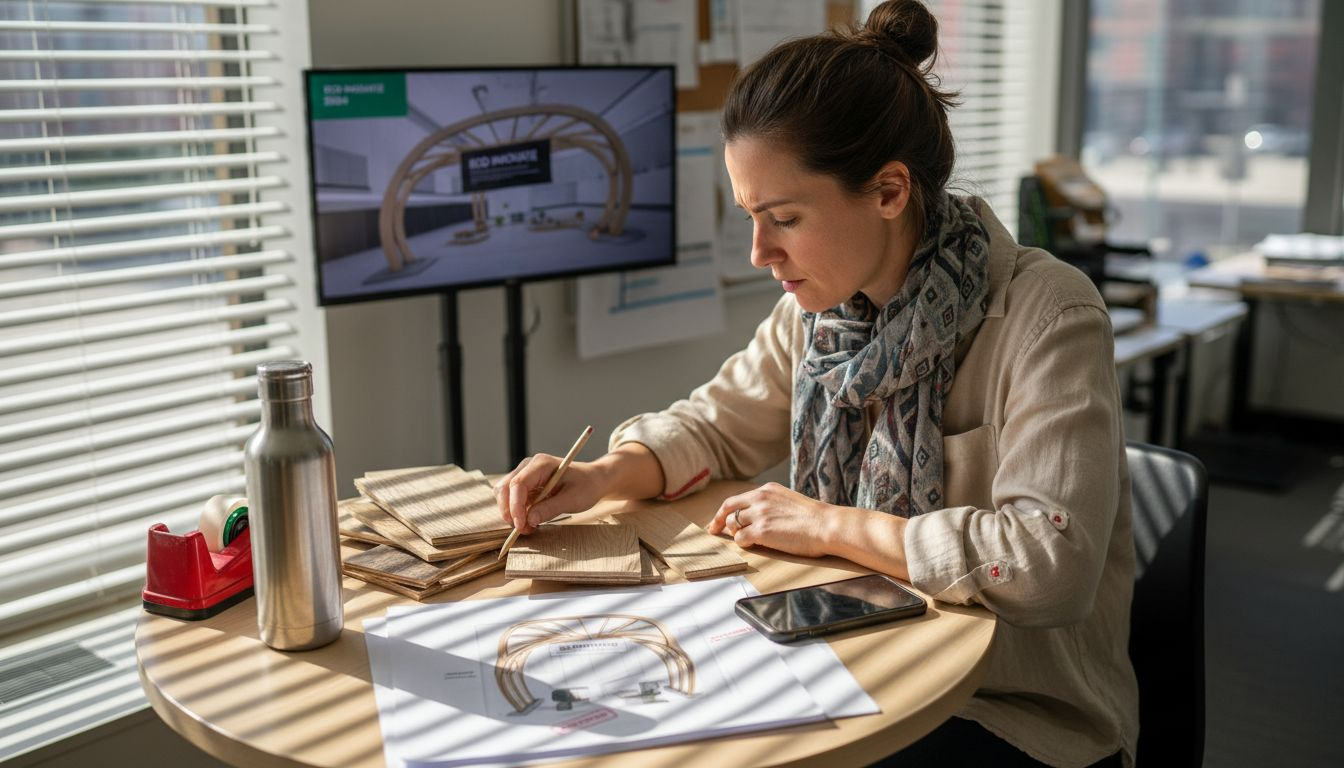
Evaluate each material’s lifecycle, considering not just initial costs but long-term environmental and economic implications. Lightweight materials can reduce transportation emissions, while modular designs enable repeated use across multiple events.
Compare booth material options by sustainability and practical benefits:
| Material Type | Sustainability Benefit | Practical Advantage |
|---|---|---|
| Aluminum Frame | Highly recyclable, reusable | Lightweight, strong build |
| Recycled Plastic | Diverts waste, repurposable | Modular, durable |
| Bamboo | Rapidly renewable resource | Modern look, natural feel |
| Reclaimed Wood | Reduces landfill impact | Unique texture, warm tone |
Pro tip: Request material sustainability certifications from suppliers to validate the environmental credentials of your selected booth materials.
Step 3: Develop 3D booth design and visualization
Transforming your booth concept into a detailed 3D visualization is a crucial step that bridges creative imagination with practical execution. 3D booth visualization techniques enable you to preview and refine your design before actual fabrication, reducing potential errors and maximizing visual impact.
To create a compelling 3D booth design, leverage advanced digital tools and strategic design principles. Your visualization process should encompass several key stages:
- Select appropriate 3D design software
- Create accurate dimensional representations
- Integrate brand colors and graphic elements
- Simulate lighting and spatial relationships
- Test design from multiple viewing angles
A precise 3D visualization is worth a thousand conceptual sketches – it provides clarity, prevents misunderstandings, and serves as a blueprint for successful fabrication.
Focus on technical precision and brand storytelling when developing your design. Realistic rendering allows you to experiment with material textures, lighting conditions, and spatial arrangements without physical prototyping. Modern design software offers advanced features like virtual walkthroughs, enabling you to experience your booth design from an attendee’s perspective.
Pay special attention to scale, ensuring your visualization accurately represents actual booth dimensions and spatial constraints of typical trade show environments. Incorporate interactive elements that showcase your brand’s unique value proposition and create engaging visitor experiences.
Pro tip: Request multiple design iterations and gather feedback from team members to refine your 3D booth visualization before final approval.
Step 4: Coordinate fabrication and on-site assembly
Successful booth creation hinges on seamless coordination between fabrication workshops and trade show site logistics. Precise planning and communication become your most critical tools in transforming design concepts into physical exhibition spaces.
Your fabrication and assembly coordination should encompass several strategic components:
- Develop comprehensive project timeline
- Establish clear communication protocols
- Schedule multiple checkpoint meetings
- Create detailed transportation and logistics plan
- Define precise on-site assembly responsibilities
Effective coordination transforms complex fabrication challenges into smooth, predictable execution.
Logistical synchronization requires meticulous attention to detail. Fabrication scheduling strategies help minimize potential disruptions and ensure your booth arrives precisely when and where needed. This involves coordinating multiple stakeholders – from design teams and fabrication workshops to transportation providers and exhibition site managers.
Pay special attention to transportation constraints, site access limitations, and potential technical challenges during assembly. Develop contingency plans that account for unexpected scenarios, ensuring your team can adapt quickly and maintain project momentum.
Pro tip: Create a detailed assembly manual with step-by-step instructions and include photographic references to guide on-site technicians through the booth setup process.
Step 5: Verify booth quality and attendee engagement
The final stage of booth fabrication involves critically assessing both physical quality and potential attendee interaction potential. Comprehensive quality verification ensures your exhibition space meets the highest standards of professional presentation and visitor experience.
Your verification process should encompass multiple critical evaluation points:
- Inspect structural integrity and fabrication precision
- Test interactive technology and display functionality
- Evaluate visual aesthetics and brand representation
- Simulate potential visitor traffic flow
- Validate technical equipment performance
Quality is not an act, but a continuous process of refinement and attention to detail.
Trade show engagement strategies reveal that interactive elements can dramatically increase visitor interest. Focus on creating sensory experiences that invite exploration – consider lighting, multimedia presentations, and intuitive interaction zones that encourage meaningful engagement.
Systematic testing is crucial. Walk through your booth from an attendee’s perspective, identifying potential friction points or areas that might impede smooth visitor interaction. Check that every design element serves a strategic purpose – whether informational, aesthetic, or experiential.
Pro tip: Conduct a mock walkthrough with team members playing different visitor personas to uncover subtle design improvements before the actual event.
Elevate Your Trade Show Success with Custom Booth Solutions
The detailed guide on custom booth fabrication highlights the critical challenges businesses face in defining clear booth goals, selecting sustainable materials, and ensuring flawless on-site assembly. If you are aiming to transform your brand’s story into a visually striking and functionally effective trade show presence, overcoming issues like coordinating fabrication logistics or perfecting 3D visualization becomes essential. These are the exact pain points that demand expert attention to deliver a captivating and sustainable booth that truly engages attendees and elevates brand recognition.
At Adam Expo Stand, we understand that your booth must be more than just an exhibit – it is a powerful brand touchpoint. Our comprehensive services cover everything from personalized design strategies to advanced 3D visualization and turnkey fabrication management. We specialize in sustainable and modular solutions that reflect your brand’s unique identity while aligning with your strategic goals. Discover how our custom exhibition stand design and expert project management streamline your trade show participation by handling every detail with precision.
Ready to turn your booth vision into an unforgettable reality? Explore our tailored solutions at Adam Expo Stand and take the first step toward maximizing your trade show impact today. Let us help you captivate your target audience with innovative design and flawless execution.
Frequently Asked Questions
What are the first steps in defining booth goals for custom booth fabrication?
Defining booth goals begins with identifying your target audience and clarifying your primary objectives for participating in the trade show. Once you’ve established these points, outline key performance indicators to measure your success throughout the event.
How do I choose sustainable materials for my booth fabrication?
To choose sustainable materials, prioritize options that are recyclable and have lower carbon footprints. Consider using materials like aluminum frameworks or recycled plastics, which can significantly reduce environmental impact and improve your brand’s reputation.
What should I include when developing a 3D booth design?
When developing a 3D booth design, incorporate accurate dimensions, brand colors, and graphic elements into the visualization. Make sure to simulate lighting arrangements and evaluate the design from multiple viewing angles to ensure it aligns with your booth goals.
What is the importance of coordinating fabrication and assembly for my booth?
Coordinating fabrication and assembly is essential for ensuring that your booth is constructed and delivered on time. Create a detailed project timeline and establish clear communication channels to mitigate risks and ensure that all stakeholders are aligned throughout the process.
How can I verify the quality of my booth before the trade show?
To verify booth quality, inspect the structural integrity, test all interactive technologies, and evaluate the visual aesthetics to ensure they align with your brand identity. Conduct a thorough walkthrough to identify any potential issues that may affect visitor engagement.
What steps should I take to engage attendees effectively at my booth?
To engage attendees effectively, focus on creating sensory experiences that invite exploration, such as interactive technology displays and appealing visuals. Develop a strategy to encourage meaningful interactions, which can increase visitor interest by up to 30%.
Recommended
- Complete Guide to Booth Fabrication for Exhibitors
- Success Exhibiting at IFEMA Madrid: The Ultimate Exhibitor Guide
- Exhibition Stand Fabrication: Complete Guide for Exhibitors
- Booth Assembly Process Guide for Flawless Trade Show Setup
- Raised Foil Custom Stickers | Free Design | 3 foils – BcardsCreation


