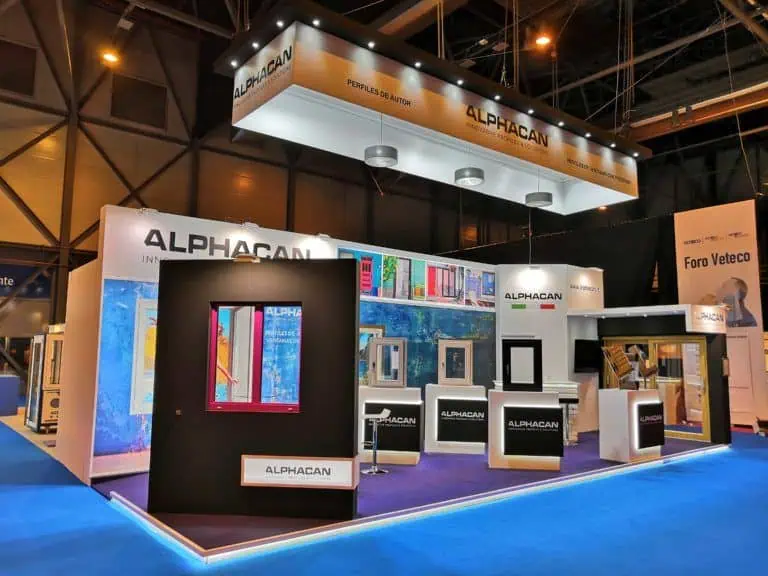
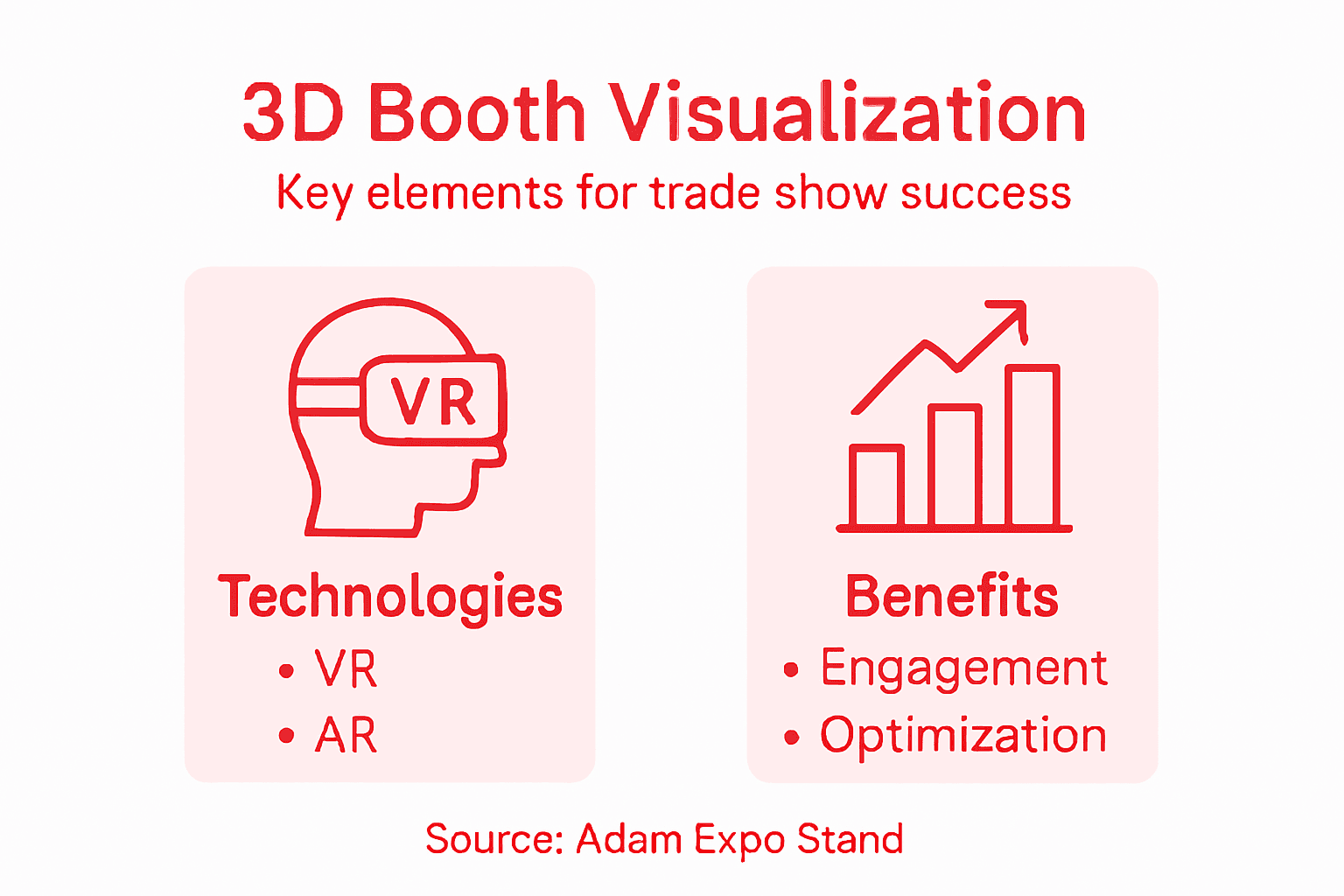
3D Booth Visualization: Elevating Trade Show Impact
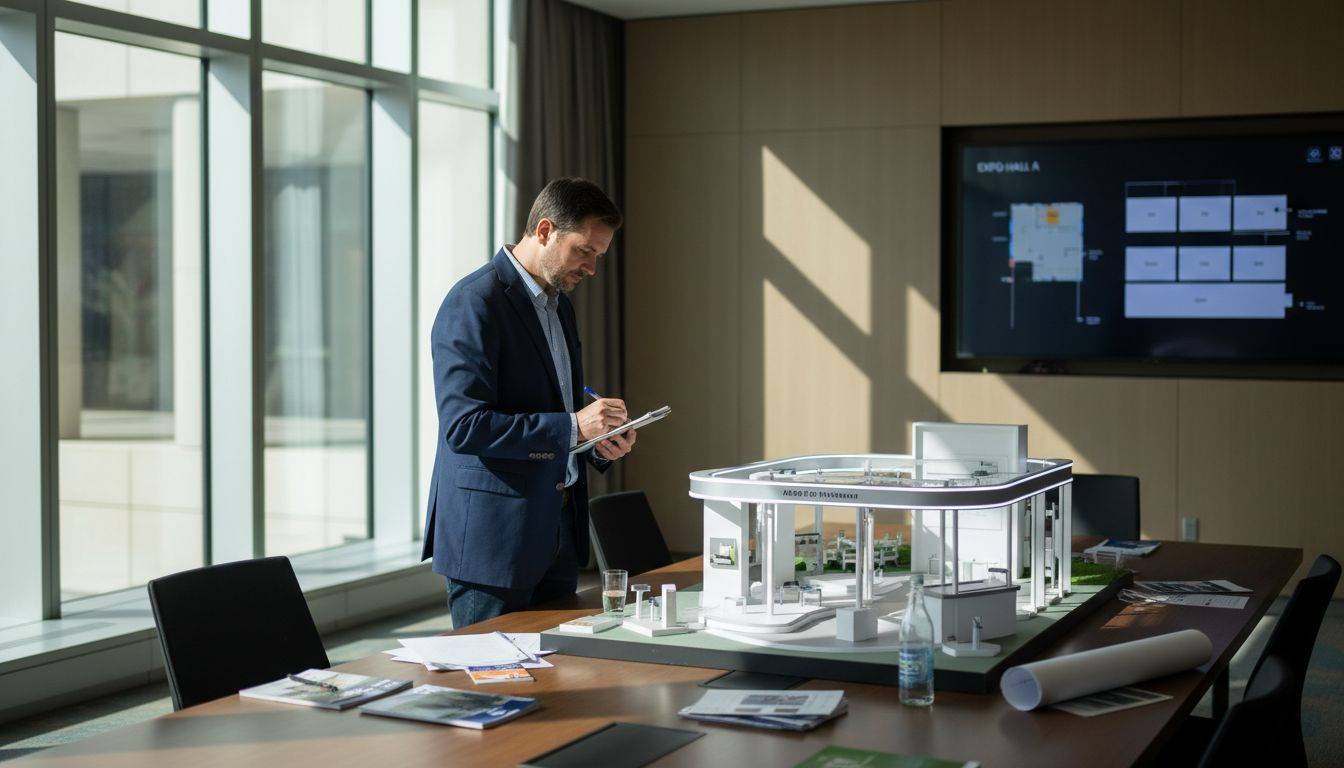
Getting your brand noticed at an international trade show is no small task, especially when every detail counts in crowded exhibition halls from Frankfurt to Madrid. With the rise of 3D booth visualization powered by technologies like VR and AR, European marketing managers now have powerful tools for translating creative concepts into engaging, interactive booth experiences. This approach helps you preview, plan, and optimize your exhibition presence for maximum impact, bringing your ideas to life before the show even begins.
Table of Contents
- Defining 3D Booth Visualization In Exhibitions
- Key Variations And Visualization Approaches
- How 3D Booth Visualization Works
- Strategic Benefits For Trade Show Success
- Cost Factors And Common Pitfalls
Key Takeaways
| Point | Details |
|---|---|
| 3D Booth Visualization Enhances Trade Shows | Utilizing technologies like VR and AR transforms booth design into a dynamic, engaging experience, maximizing visitor participation and interaction. |
| Advanced Technologies Improve Design Accuracy | Tools such as photorealistic rendering and interactive design platforms allow for precise spatial planning and real-time exploration of booth layouts. |
| Strategic Benefits for Marketing | Effective 3D visualization aids in storytelling, enhances brand communication, and enables marketers to collect real-time engagement metrics. |
| Cost Considerations are Crucial | Companies must carefully plan for software, hardware, and training expenses to avoid financial pitfalls associated with implementing 3D visualization technologies. |
Defining 3D Booth Visualization in Exhibitions
3D booth visualization represents an advanced technological approach transforming how businesses conceptualize and present exhibition spaces. This innovative technique goes beyond traditional design methods by creating comprehensive digital representations of trade show environments using cutting-edge technologies like virtual reality (VR) and augmented reality (AR).
At its core, 3D booth visualization involves generating spatially accurate geometric models that allow exhibitors to meticulously plan and preview their booth layouts before physical construction. Key technologies enabling this process include:
- VR and AR modeling platforms
- Advanced polygon rendering techniques
- Interactive digital design interfaces
- AI-powered spatial optimization algorithms
These digital models provide remarkable benefits for trade show participants. Exhibition design technologies enable precise spatial planning, allowing businesses to:
- Maximize booth space utilization
- Preview design aesthetics before physical implementation
- Test different furniture and display configurations
- Simulate visitor traffic and interaction patterns
The technological foundation of 3D booth visualization integrates multiple sophisticated elements. Multi-user interactive genetic algorithms analyze potential layouts, considering factors like coordinate positioning, color schemes, and functional ergonomics. This approach transforms booth design from a static process into a dynamic, data-driven experience.
3D booth visualization represents the intersection of technology, design, and strategic marketing – creating immersive exhibition experiences that capture audience attention.
By leveraging AI and interactive design technologies, companies can create exhibition spaces that are not just visually compelling but strategically engineered to maximize visitor engagement and information acquisition.
Pro tip: Invest time in detailed 3D modeling before your exhibition to identify potential design challenges and optimize your booth’s layout and visual appeal.
Key Variations and Visualization Approaches
Exhibition booth visualization encompasses a diverse array of technological approaches that enable businesses to create sophisticated digital representations of their trade show spaces. Interactive and innovative booth features have dramatically transformed how companies conceptualize and design their exhibition environments.
The primary variations in 3D booth visualization can be categorized into several distinct technological frameworks:
- Photorealistic rendering systems
- Real-time interactive design platforms
- Modular and custom design visualization tools
- Animated lighting and multimedia integration environments
Photorealistic rendering represents a cutting-edge approach that allows exhibitors to generate incredibly detailed digital representations of their booth designs. These advanced CAD systems provide:
- Precise geometric modeling
- Realistic material and texture simulations
- Dynamic lighting effect demonstrations
- Immersive virtual walkthrough capabilities
Advanced visualization approaches extend beyond static representations, integrating interactive elements that enable real-time design exploration. Companies can now manipulate booth configurations, experiment with spatial arrangements, and simulate visitor interactions before committing to physical construction.
Modern 3D visualization tools transform exhibition design from a linear process to a dynamic, iterative experience that empowers creative decision-making.
Different visualization approaches cater to unique exhibition requirements, ranging from standardized modular systems to completely custom, free-form designs. This flexibility allows businesses to create highly personalized exhibition experiences that precisely match their brand identity and marketing objectives.
Here’s a concise comparison of leading 3D booth visualization technologies:
| Technology Type | Unique Strength | Ideal For |
|---|---|---|
| Virtual Reality Platforms | Full-immersion experience | Walkthroughs and high engagement |
| Augmented Reality Systems | Real-world overlay | On-site previews and live demos |
| CAD Rendering Software | Precision modeling | Engineering-level booth details |
| Interactive Design Tools | Real-time configuration | Team collaboration and exploration |
Pro tip: Select a 3D visualization platform that offers both modular templates and custom design capabilities to maximize your design flexibility and creative potential.
How 3D Booth Visualization Works
3D booth visualization transforms complex exhibition design through an intricate technological process that combines advanced digital mapping techniques with interactive design strategies. Booth functionality strategies play a crucial role in translating conceptual designs into immersive spatial experiences.
The visualization process involves several sophisticated technological steps:
- Spatial image calibration
- Geometric model generation
- Virtual reality (VR) mapping
- Interactive design refinement
At the core of 3D booth visualization is a complex transformation process that converts two-dimensional design concepts into fully realized three-dimensional digital environments. This technological workflow typically includes:
- Capturing initial design specifications
- Generating precise 3D geometric models
- Applying realistic texture and material simulations
- Implementing interactive design elements
- Optimizing spatial configurations
Advanced visualization technologies utilize innovative techniques like fisheye camera mapping and genetic algorithm optimization to enhance booth layout efficiency. These methods allow designers to:
- Simulate multiple design configurations
- Test visitor interaction patterns
- Optimize spatial utilization
- Predict potential design challenges
3D booth visualization represents a paradigm shift from static design to dynamic, data-driven spatial planning.
The process integrates multiple sensory inputs, including visual and auditory stimuli, to create immersive digital representations that go beyond traditional design methodologies. By leveraging VR and AR technologies, designers can collaboratively refine booth concepts in real-time, ensuring maximum impact and functionality.
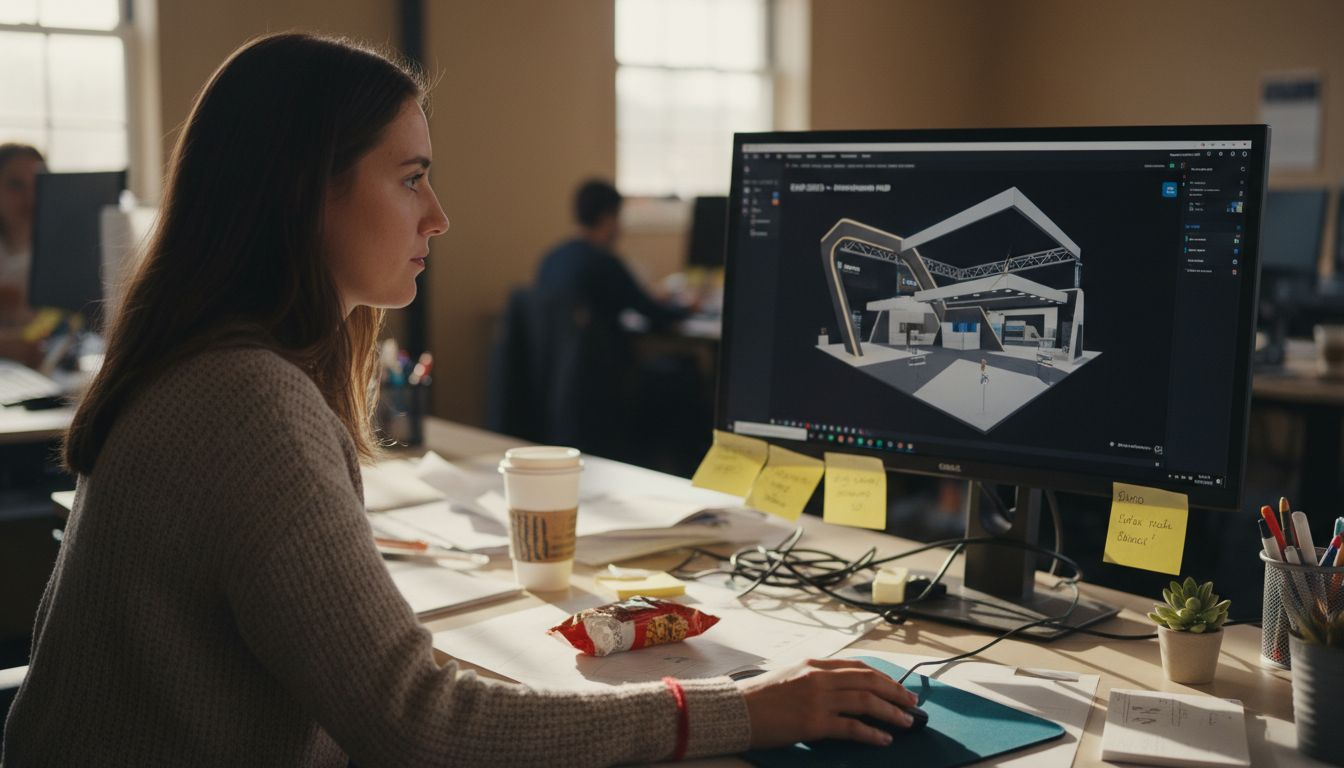
Pro tip: Utilize multi-user interactive design platforms that allow simultaneous collaboration and instant design iterations to streamline your booth visualization process.
Strategic Benefits for Trade Show Success
Trade show success hinges on creating memorable, engaging experiences that distinguish businesses from their competitors. Event branding strategies play a critical role in transforming traditional booth presentations into immersive, interactive brand experiences.
The strategic benefits of 3D booth visualization extend far beyond aesthetic appeal, offering businesses multiple competitive advantages:
- Enhanced visitor engagement
- Improved information communication
- Precise design optimization
- Advanced marketing capabilities
Artificial intelligence and interactive design technologies have revolutionized trade show participation by enabling businesses to create more dynamic and memorable brand interactions. These technologies support comprehensive marketing objectives through:
- Generating data-driven design insights
- Simulating complex visitor interaction scenarios
- Predicting audience engagement patterns
- Developing targeted communication strategies
Advanced visualization techniques provide unprecedented opportunities for businesses to communicate their brand narrative. By integrating multiple sensory inputs and interactive elements, companies can:
- Create emotionally resonant brand experiences
- Demonstrate product features more effectively
- Capture audience attention more efficiently
- Collect real-time engagement metrics
3D booth visualization transforms trade show participation from passive display to active, immersive brand storytelling.
The strategic implementation of these technologies enables businesses to transcend traditional marketing limitations, offering a more comprehensive and engaging approach to audience interaction. By leveraging digital design tools, companies can develop exhibition strategies that are both innovative and precisely targeted.
Pro tip: Invest in visualization technologies that provide comprehensive analytics to continuously refine and optimize your trade show presentation strategies.
Cost Factors and Common Pitfalls
3D booth visualization involves complex technological investments that require strategic financial planning and careful implementation. Role of trade show booths becomes critically important when understanding the financial implications of advanced visualization technologies.
The primary cost factors in 3D booth visualization can be categorized into several key areas:
- Software licensing expenses
- Hardware infrastructure requirements
- Design and rendering complexity
- Professional expertise and training
- Ongoing maintenance and updates
Companies frequently encounter several common pitfalls when implementing 3D visualization technologies that can significantly impact their budget and project outcomes:
- Underestimating initial technology investment
- Neglecting staff training requirements
- Overlooking ongoing software maintenance costs
- Choosing overly complex visualization platforms
- Failing to align technology with specific exhibition goals
The financial landscape of 3D booth visualization is nuanced, with costs varying dramatically based on several critical factors:
- Level of photorealistic rendering detail
- Complexity of interactive design elements
- Customization requirements
- Integration with existing design workflows
Successful 3D booth visualization requires a balanced approach that weighs technological capabilities against budgetary constraints.
Technological complexity can quickly escalate expenses, making it essential for businesses to conduct thorough cost-benefit analyses. Strategic implementation involves understanding the delicate balance between visual impact and financial feasibility, ensuring that visualization investments deliver measurable returns.
Below is a summary of the most significant cost drivers and risks when planning 3D booth visualization:
| Cost Driver | Risk if Overlooked | Mitigation Strategy |
|---|---|---|
| Software Licensing | Unexpected subscription expenses | Audit licenses before purchase |
| Staff Training | Inefficient tool adoption | Schedule regular training |
| Hardware Upgrades | Incompatibility and slow performance | Assess hardware needs upfront |
| Maintenance & Upgrades | Outdated or buggy visualization tools | Budget for continuous updates |
Pro tip: Develop a comprehensive technology budget that includes initial investment, training costs, and potential upgrade expenses to avoid unexpected financial challenges.
Transform Your Trade Show Presence with Expert 3D Booth Visualization
Struggling to translate your exhibition ideas into a captivating and functional booth design can limit your trade show success. The article highlights challenges such as maximizing booth space utilization and simulating visitor interactions before physical construction. With sophisticated concepts like VR modeling and AI-powered spatial optimization, creating immersive and strategically crafted exhibition spaces is more important than ever.
At Adam Expo Stand, we specialize in turning these advanced 3D booth visualization techniques into reality. Our comprehensive services include personalized 3D design visualization and expert project management to deliver turnkey exhibition solutions that align perfectly with your brand goals. By partnering with us, you gain access to cutting-edge tools that empower you to preview, optimize, and refine your booth layout for maximum visitor engagement.
Ready to elevate your trade show impact and avoid costly design pitfalls? Explore our tailored booth design and fabrication services to ensure your exhibition stand stands out. Visit Adam Expo Stand now to start your journey toward a more dynamic and memorable trade show experience.
Frequently Asked Questions
What is 3D booth visualization?
3D booth visualization is an advanced technological method that creates detailed digital representations of exhibition spaces, allowing businesses to plan and preview their booth layouts using technologies like virtual reality (VR) and augmented reality (AR).
What are the key benefits of using 3D booth visualization in trade shows?
The key benefits include enhanced visitor engagement, improved information communication, optimized booth design, and advanced marketing capabilities, which collectively improve the overall effectiveness of a trade show presentation.
How does the 3D booth visualization process work?
The process involves capturing initial design specifications, generating precise 3D geometric models, applying realistic simulations, implementing interactive design elements, and optimizing spatial configurations to create immersive exhibition experiences.
What should companies consider when choosing a 3D booth visualization platform?
Companies should consider factors such as design flexibility, user-friendliness, integration capabilities, the complexity of interactive features, and the level of detail required for photorealistic rendering to ensure the platform meets their specific exhibition needs.
Recommended
- 7 Event Branding Ideas to Boost Trade Show Engagement
- The Ultimate Guide to Trade Booth Rental Design in Europe | Adam Expo Stand Solutions
- Success Exhibiting at IFEMA Madrid: The Ultimate Exhibitor Guide
- Role of Branding in Trade Shows: Lasting Impact
- 7 Real-World Examples of B2B Branding for SaaS and Startups – Kadima