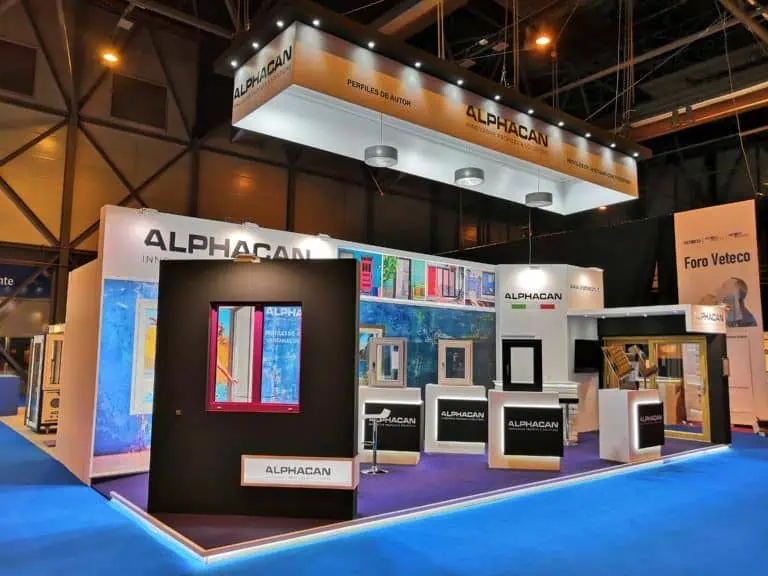
A modular booth system uses compatible components to build an exhibition stand that can be dismantled and, where the design allows, configured again. Before renting or buying, check the proposed layouts, component inventory, graphics, packing, installation method and full event costs. Modular describes the construction approach; it does not guarantee tool-free assembly, lower costs or unlimited layouts.
Table of Contents
- Defining Modular Booth Systems And Misconceptions
- Major Types Of Modular Booth Systems Available
- Core Features And Modular Stand Benefits
- How Modular Booth Systems Are Assembled
- Cost Considerations And Rental Alternatives
Key Takeaways
| Point | Details |
|---|---|
| Modular Booth Flexibility | Confirm supported layouts and identify extra parts, new graphics and approval requirements for each event. |
| Programme costs | Compare purchase and rental costs for the same programme, including services, transport, storage and upkeep. |
| Design Versatility | Check finish samples, graphic fixing methods, equipment mounts and the actual proposed design. |
| Efficient Assembly Process | Use the specified system instructions, required tools, responsible crews and event requirements. |
Defining Modular Booth Systems and Misconceptions
A modular system combines components made to work together, such as profiles, frames, connectors, panels and accessories. Reconfiguration depends on the particular product family, dimensions, connections and approved design. Components from different systems should not be assumed compatible.
Ask the supplier to draw each planned footprint and identify the parts retained, added or replaced between events. A larger layout may need additional structural components, graphics, service orders and technical review. The same inventory will not automatically cover every stand size.
Modular construction can support varied finishes and branded layouts, but compare the actual design rather than the label. Review our stand proposal comparison guide using the same functional brief for modular, custom and hybrid options.
Use the following objectives as questions for the supplier, rather than guaranteed benefits:
- Compare full costs over the planned events
- Confirm packed dimensions, weights and storage arrangements
- Check approved configurations for each booked footprint
- Maintain consistent brand messaging across multiple events
- Obtain installation and dismantling estimates for the actual scope
- Plan retained components, repairs, storage and return
Record the evidence behind each proposal: drawings, component quantities, packed dimensions, crew requirements and itemised costs. This makes it easier to assess whether the system suits your programme.
Modular Exhibition Display Formats Explained
Portable displays, profile systems, framed walls and fabric graphic systems overlap rather than forming exclusive categories. Portability depends on packed weight and dimensions; fabric describes the graphic or finish. Confirm the actual crew, tools, lifting arrangements and packing plan instead of choosing from event frequency alone.
Major Types of Modular Booth Systems Available
The categories below describe common approaches, not a complete classification. A frame-based system may also use fabric graphics, while a hybrid stand may combine modular parts with purpose-made features.
Profile and frame systems use compatible uprights, beams or frames with specified connections and infill options. As an example, OCTANORM’s manufacturer overview distinguishes upright-and-beam, frame, illuminated and other system families. Check documentation for the exact proposed product; this example is not an endorsement or confirmation of Adam Expo Stand’s inventory.
Fabric graphic systems use fabric attached to a supporting frame in the manner specified for that product. Check the graphic dimensions, fixing method, lighting option, care requirements and replacement cost. Fabric does not establish structural capacity or a universal assembly method.
Hybrid stands combine system components with purpose-made elements. Identify which parts can be reused, which need modification and who is responsible for the connections between them. Agree the design and specialist work before production.
Compare the proposed system against these requirements:
- Structural flexibility and reconfiguration potential
- Ease of transportation and storage
- Graphic customisation options
- Speed of setup and teardown
- Comparable costs for the same event programme
- Scalability across different event sizes and formats
Request a component schedule and drawings for your booked footprint and future layouts. Check graphics, doorways, storage, equipment mounts and service routes as part of the same design.
Core Features and Modular Stand Benefits
The useful feature of a modular system is planned reuse of compatible parts. Its value depends on the layouts, event requirements, condition of the inventory and cost of preparing it for another show.
Reconfiguration needs a reviewed design, not just spare panels. Ask which configurations the supplier supports and whether changes require extra components or approvals. Compare construction choices with our modular and custom stand guide.
Custom-built stands can also reuse components, and modular stands can require new graphics or fabrication. Compare both options over the same event programme, including transport, storage, repair and installation. Avoid treating either construction method as automatically cheaper.
For each claimed benefit, ask for a project-specific answer:
- Transport: Request packed weights, dimensions and handling needs
- Storage: Agree inventory access, condition checks and retrieval costs
- Layouts: Identify supported configurations and any additional components
- Graphics: Confirm replacement dimensions, fixing methods and production costs
- Reuse: Document retained parts and recovery arrangements; assess environmental claims separately
- Costs: Compare complete purchase and rental programmes on the same scope
Keep a named owner for the inventory, condition reports and replacement parts. A reuse plan needs storage, maintenance and return arrangements as well as a design.
How Modular Booth Systems Are Assembled
Modular booth assembly follows the approved design and instructions for the specified system. Some connections require tools, trained crews or specialist equipment. Confirm the responsible installer and event requirements before deciding whether exhibitor assembly is appropriate.
Ask for the component schedule, installation drawings, connection instructions and required tools. The installer should establish the sequence and checks for the actual stand. Our assembly planning guide covers preparation and handover responsibilities.
Before delivery, check quantities, condition, packing references and missing parts. Confirm how the responsible team will resolve discrepancies. Electrical connections, suspended elements and other specialist work must follow the project and event requirements.
Use these coordination checks with the responsible installation team; they are not a universal construction sequence:
- Structure: Follow the approved design, connection instructions and installer’s method
- Graphics: Check artwork versions, component dimensions and specified fixings
- Equipment: Assign mounts, lighting and service connections to the responsible providers
- Accessories: Confirm approved positions and support arrangements
- Completion: Check finishes, circulation and equipment against the agreed scope
- Handover: Record responsible-team checks, unresolved issues and return arrangements
Complete a handover against the agreed scope before opening. Record equipment tests, visible defects and outstanding actions. Plan dismantling, return counts and condition checks with the same responsible providers.
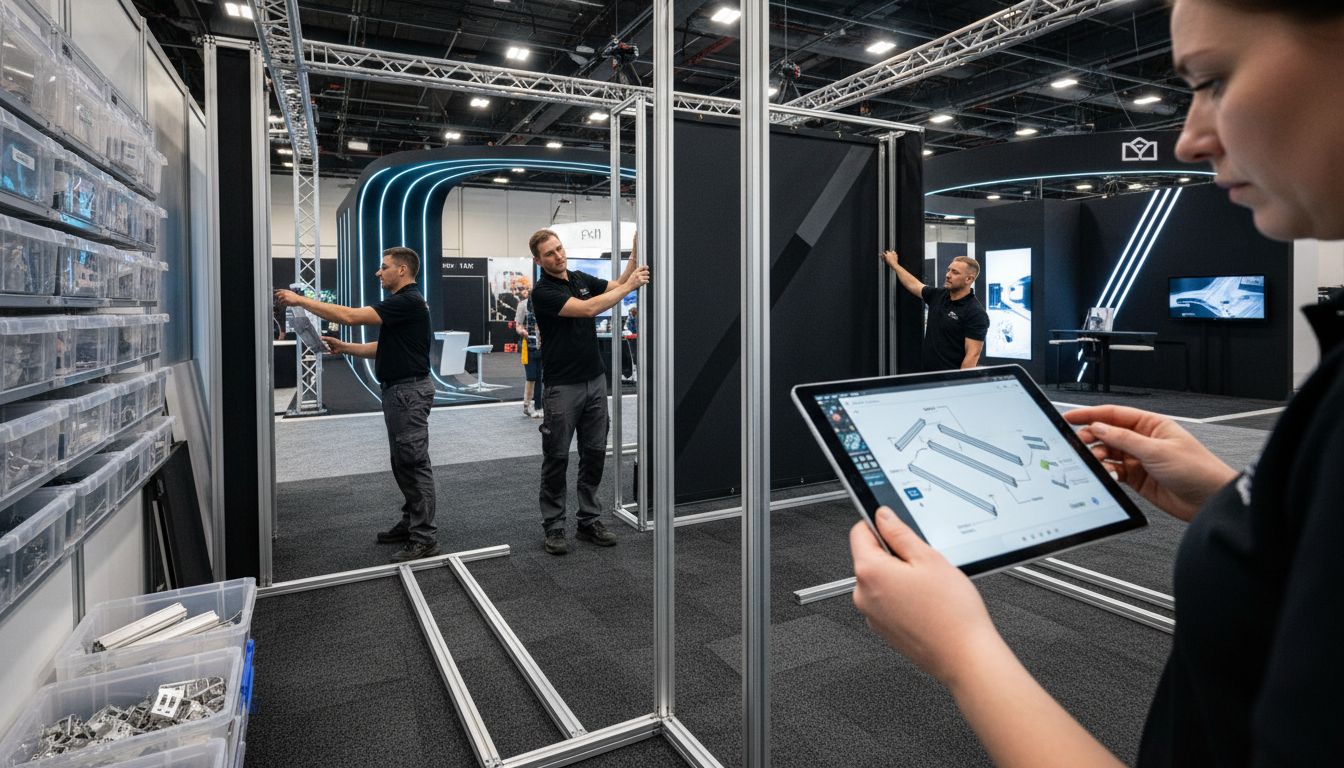
Illustration of stand assembly, not a documented Adam Expo Stand project or an installation instruction.
Cost Considerations and Rental Alternatives
Compare purchase and rental using the same layouts, events, graphics, services and delivery responsibilities. The full programme cost matters more than a headline price for the hardware.
Buying requires a quotation for the specified inventory plus graphics, packing, delivery, installation, storage and upkeep. Confirm ownership, replacement availability, warranty terms and exclusions in writing. Use the stand budget guide to build a comparable scope.
Renting requires confirmation of what is supplied per event, custom graphic costs, installation, service orders, delivery, return and damage charges. Rental is not automatically cheaper; request comparable prices for your actual programme.
Include the following in the cost comparison:
- Upfront Purchasing Costs: Initial investment in owned booth components
- Rental Expenses: Per-event or short-term display solutions
- Transportation Logistics: Shipping and handling expenses
- Storage Requirements: Storage, inventory access and handling costs for owned components
- Maintenance Expenses: Ongoing upkeep and potential component replacement
- Customisation Potential: Additional costs for graphic updates and design modifications
Ask the supplier to explain every assumption in the comparison and who bears the cost of changed layouts or dates. Keep a dated list of assumptions so that changes to graphics, services, delivery or the event schedule can be priced consistently.
Reusable Trade Show Booth: The ROI Case
There is no universal number of events after which an owned modular stand pays for itself. Compare the total purchase programme cost with the total rental programme cost for the same planned shows and scope. Include graphics, installation, freight, storage, repairs and changes. Lower stand costs alone do not establish commercial ROI; attributable business outcomes need separate measurement.
Prepare a modular booth system brief
Prepare a brief for Adam Expo Stand with your booked footprints, event dates, visitor activities and reuse plans. Request layout drawings, a component schedule and an itemised quotation before choosing a system.
Discuss the available design, fabrication and installation scope with Adam Expo Stand for your events and dates. Our stand project enquiry form can be assessed against your brief through drawings, specifications and a written scope. Confirm inclusions, exclusions, specialist services and reuse arrangements before production.
Ask for relevant project examples, a named manager and a plan for installation, handover and removal. Our turnkey buyer’s guide provides questions for reviewing supplier responsibilities.
Frequently Asked Questions
What is a modular booth system?
A modular booth system uses compatible components to build a stand that can be dismantled and configured again where the product and design allow. Reuse and reconfiguration depend on the specified parts, condition and event requirements.
What are the main types of modular booth systems?
Common approaches include profile or frame systems, fabric graphic systems and hybrid designs combining system parts with purpose-made elements. These categories overlap. Check the exact product family and approved layout rather than relying on a category name.
How does the assembly process work for modular booth systems?
Use the approved drawings and manufacturer’s instructions for the specified system. Confirm parts, tools, crew requirements and specialist services before delivery. The responsible installer sets the assembly sequence and handover checks; modular does not mean every connection is tool-free.
What are the cost considerations when investing in modular booth systems?
Compare purchase or rental, graphics, installation, venue services, freight, storage, repair, replacement and future layout changes. Obtain prices for the same event programme and scope. There is no universal purchase payback period.