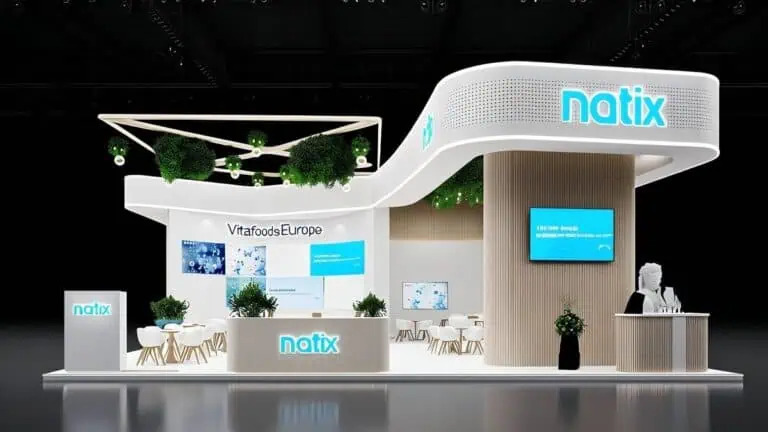
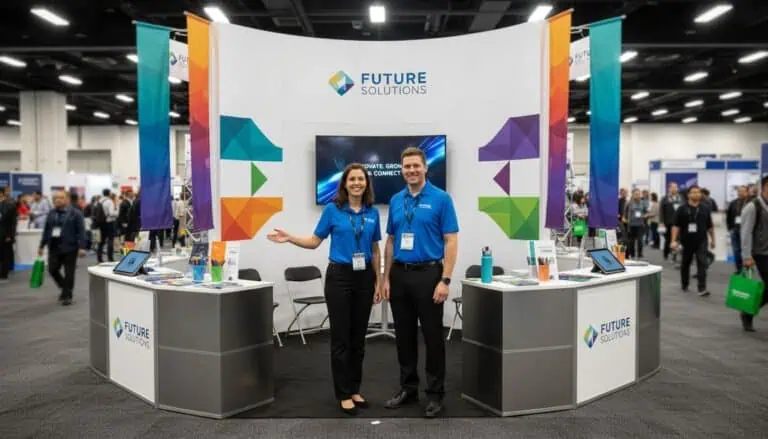
Modular booth ideas to boost brand impact in 2026
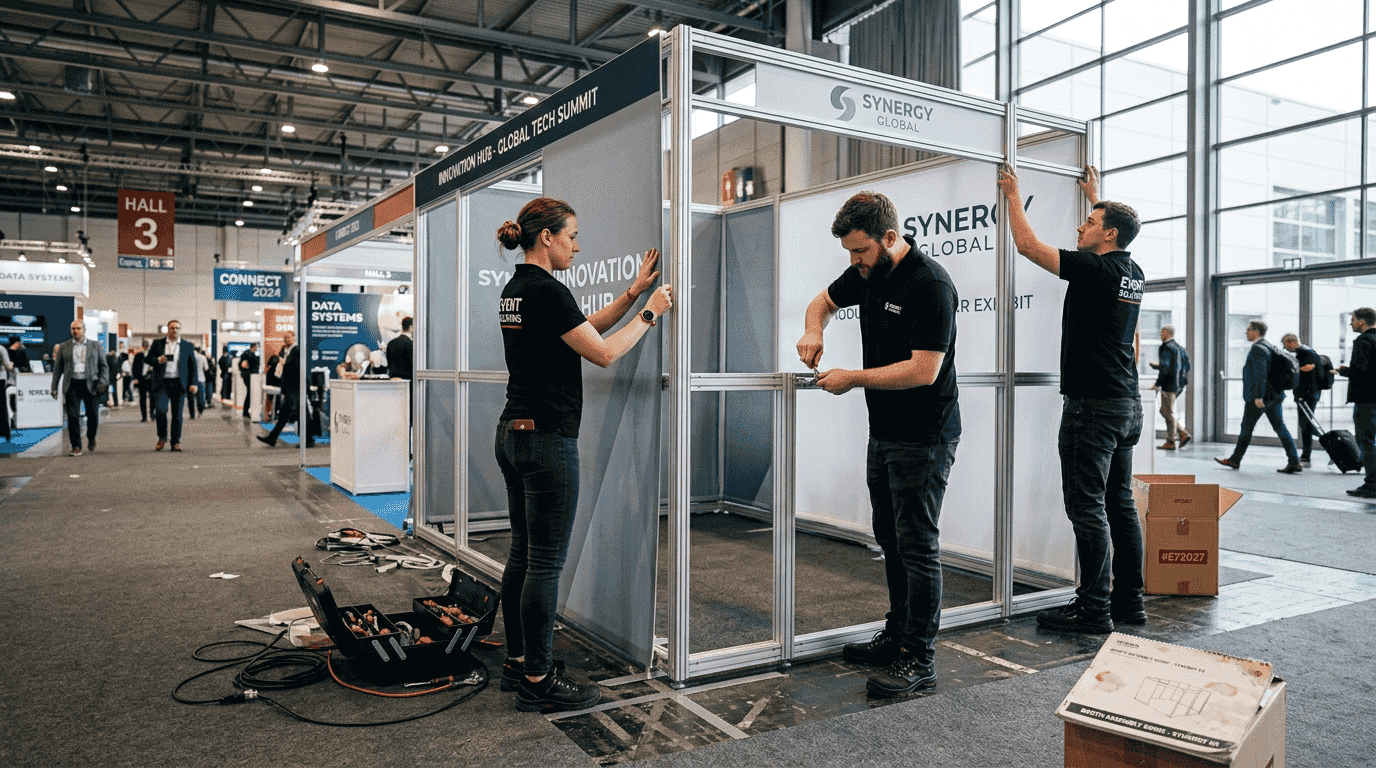
Choosing the right modular booth can feel overwhelming when you’re juggling event size, sustainability goals, and brand identity demands. Marketing and event managers across Europe face mounting pressure to maximize brand presence while controlling costs and meeting tight timelines. This article presents key selection criteria and modular booth ideas to empower your decisions, helping you match booth types to industry needs and budgets for maximum impact at trade shows.
Table of Contents
- How To Choose The Right Modular Booth: Key Selection Criteria
- Popular Modular Booth Design Types And Their Strengths
- Material Options And Sustainability In Modular Booths
- Cost Comparison And Budgeting For Modular Booths
- Customization And Branding Capabilities: Making Your Booth Stand Out
- Scalability And Use Cases By Industry And Event Size
- Turnkey Modular Booth Solutions Vs. Diy Approaches
- Summary Comparison And Situational Recommendations
- Explore Modular Booth Solutions With Adam Expo Stand Solutions
- Frequently Asked Questions
Key takeaways
| Point | Details |
|---|---|
| Cost efficiency | Modular booths save 25-35% compared to custom builds through component reusability. |
| Setup speed | Frame-based designs reduce installation time by 30% with reusable components. |
| Sustainability | Eco-friendly materials improve brand image and meet European trade show compliance. |
| Flexibility | Pop-up, frame-based, and hybrid booths each offer unique scalability advantages. |
| Service options | Turnkey solutions reduce lead time versus DIY approaches requiring internal expertise. |
How to choose the right modular booth: key selection criteria
Evaluating modular booths requires a clear framework that aligns with your brand goals and event requirements. Start by assessing your event size and frequency to determine which scalable solutions fit your schedule. A trade show booth builder Europe can help you navigate options based on your exhibition calendar.
Sustainability standards matter more than ever in 2026. European trade shows increasingly require eco-friendly materials, so selecting compliant options protects your brand reputation. Look for recycled aluminum frames and FSC-certified wood that meet regulations while appealing to environmentally conscious attendees.
Cost considerations must balance initial investment against projected ROI. Calculate how many events you’ll attend annually to determine if component reusability justifies higher upfront costs. Small exhibition booth options work well for limited budgets, while larger configurations suit frequent exhibitors.
Customization needs vary by industry and branding complexity. Assess whether you need frequent graphic updates or consistent messaging across multiple shows. Modular stands for trade shows offer varying degrees of flexibility, from basic pop-ups to sophisticated hybrid systems.
Installation approach impacts your timeline and resource allocation. Decide between turnkey services that include professional setup or DIY approaches requiring internal expertise. Best booths for tech events often benefit from turnkey solutions due to complex digital integration needs.
Reusability drives long-term value. Components that work across multiple venues and configurations reduce waste and speed up future setups. The modular exhibition stand workflow guide explains how to maximize component lifespan.
Pro Tip: Map out your next 12 months of events and calculate total booth costs across all shows to identify which modular system delivers the best ROI for your specific event schedule.
Popular modular booth design types and their strengths
Frame-based booths dominate European trade shows for good reason. These systems use aluminum or steel frames with interchangeable panels, offering structural flexibility and fast setup through reusable components. Frame-based modular booths reduce setup time by 30% compared to traditional custom builds, making them ideal for companies exhibiting at multiple venues.
Pop-up booths deliver maximum portability with minimal setup complexity. These lightweight systems typically consist of collapsible frames with fabric graphics that pack into compact cases. Perfect for startups or companies with limited event budgets, pop-ups sacrifice customization for convenience and cost efficiency.
Hybrid booths combine the best of both worlds. By integrating rigid frames with fabric tension systems, these designs balance structural stability with rapid graphic changes. Companies using hybrid systems report 40% faster rebranding between events compared to traditional modular setups, making them perfect for brands with frequent messaging updates.
Frame-based modular displays cut setup time by nearly one-third while maintaining professional aesthetics and structural integrity across multiple events.
Material choices dramatically impact durability and brand impression. Aluminum frames resist wear better than plastic alternatives, while high-quality fabric graphics maintain color vibrancy through dozens of installations. Adaptive booth solutions explained details how material selection affects long-term performance.
Each booth type serves specific use cases. Frame-based systems suit mid-sized to large exhibitors needing flexibility, pop-ups work for occasional shows or tight budgets, and hybrids fit brands requiring frequent visual updates without full redesigns.
Material options and sustainability in modular booths
Recycled aluminum frames have become the European trade show standard in 2026. These materials reduce carbon footprint by up to 95% compared to virgin aluminum while maintaining structural strength. Most European venues now prioritize exhibitors using sustainable materials in their booth selection criteria.
FSC-certified wood panels ensure environmental compliance while delivering premium aesthetics. This certification guarantees responsible forest management, appealing to eco-conscious attendees and meeting stringent European sustainability regulations. Wood components also offer superior acoustic properties for booth spaces requiring private meeting areas.
Sustainable fabric graphics use tension systems that eliminate adhesives and reduce waste. These systems allow graphic updates without replacing entire panels, cutting material consumption by approximately 60% over a booth’s lifetime. Digital printing on recycled polyester fabrics maintains vibrant colors while supporting circular economy principles.
European trade show regulations increasingly mandate sustainability reporting. Events like Hannover Messe and MEDICA now require exhibitors to document material sources and end-of-life disposal plans. Using pre-approved sustainable materials simplifies compliance and avoids last-minute regulatory issues.
Corporate green branding benefits extend beyond regulatory compliance. Surveys show 73% of European trade show attendees view sustainable booths more favorably, directly impacting lead quality and visitor engagement. Displaying sustainability certifications prominently can increase booth traffic by notable margins.
Cost comparison and budgeting for modular booths
Modular booths save 25-35% compared to custom builds through component reusability across multiple events. A custom 20-square-meter booth typically costs between €15,000 and €25,000 per event, while a comparable modular system requires €18,000 to €22,000 initially but only €3,000 to €5,000 for subsequent installations.
Initial investment appears higher for quality modular systems, but multi-event reuse shifts the cost equation dramatically. Calculate break-even points by dividing initial costs by the per-event savings. Most companies reach break-even after three to four shows, making modularity financially attractive for regular exhibitors.
European market pricing in 2026 reflects increased demand for sustainable and turnkey options. Premium eco-friendly materials add 10-15% to base costs but deliver stronger brand positioning and regulatory compliance. This premium often pays for itself through enhanced visitor perception and lead quality.
Long-term ROI benefits include dramatically reduced setup time and labor costs. Professional installation teams complete modular booth assembly in 4-6 hours versus 12-16 hours for custom builds. Faster setup reduces venue rental periods and minimizes staff time away from core business activities.
Budgeting must account for service model differences. Turnkey approaches bundle design, logistics, installation, and dismantling into single packages ranging from €8,000 to €15,000 per event. DIY options reduce service costs by 40-50% but require internal project management expertise and equipment investment.
| Cost Factor | Custom Build | Modular System | Savings |
|---|---|---|---|
| Initial investment | €15,000-€25,000 | €18,000-€22,000 | Higher upfront |
| Per-event reuse | €15,000-€25,000 | €3,000-€5,000 | 75-80% reduction |
| Setup time | 12-16 hours | 4-6 hours | 60-70% faster |
| Break-even point | N/A | 3-4 events | ROI after year 1 |
Pro Tip: Track total cost of ownership across 24 months rather than single-event expenses to accurately compare modular versus custom booth investments and justify budget approvals.
Customization and branding capabilities: making your booth stand out
Fabric tension systems revolutionize booth branding by enabling vibrant, easily changeable graphics without structural modifications. These systems use silicone-edge graphics that slide into aluminum frames, allowing complete visual rebrands in under two hours. Brands with seasonal campaigns or product launches benefit from swapping graphics between events.
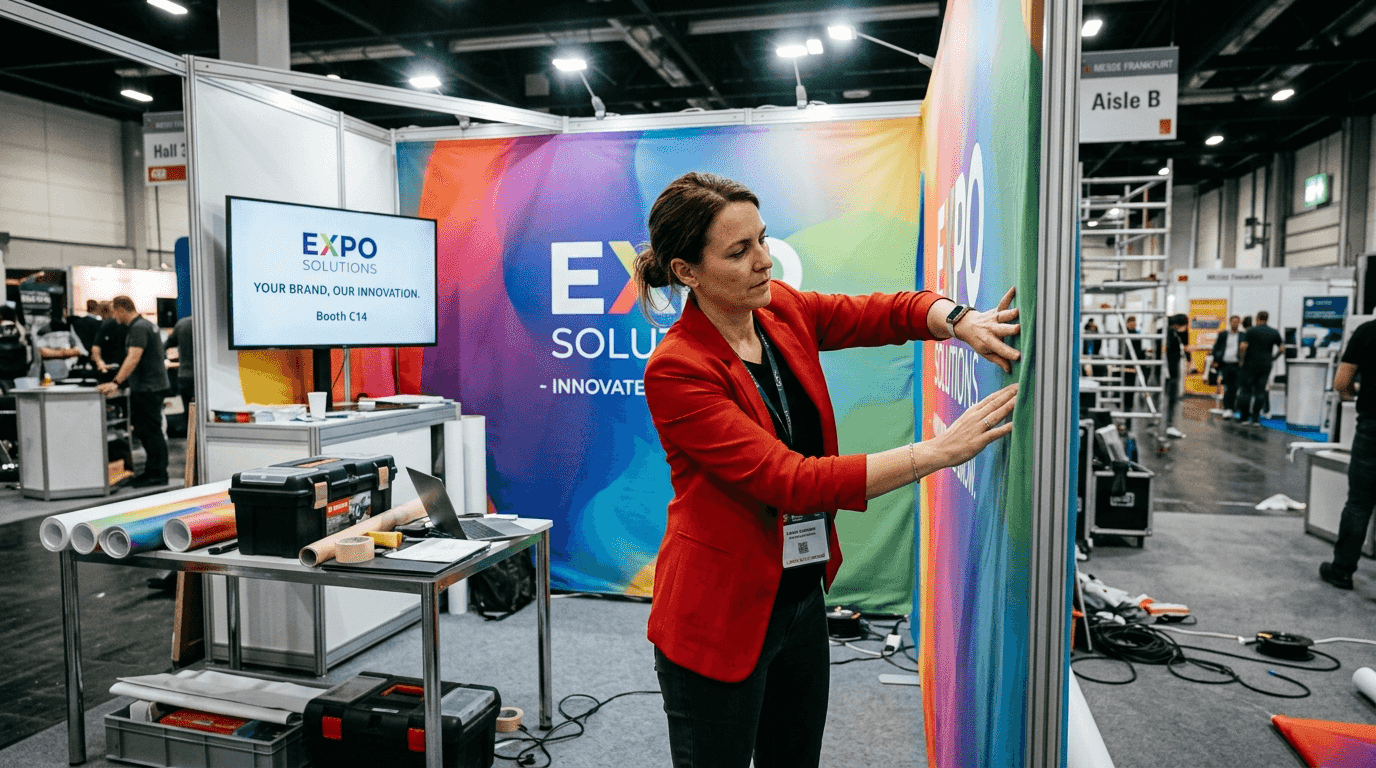
Digital displays enhance lead capture and boost visitor interaction significantly. Integrated touchscreens, video walls, and interactive product configurators transform passive viewing into active engagement. Data shows booths with digital elements generate 40% more qualified leads than static displays.
Hybrid modular designs allow thematic versatility with quick updates between different trade shows. A healthcare company can showcase medical devices at MEDICA, then reconfigure the same booth structure for a technology focus at CeBIT by changing graphics and digital content. This flexibility maximizes asset utilization.
Rapid rebranding achieved 40% faster in hybrid booths compared to traditional designs directly impacts marketing agility. When product launches shift or messaging pivots, hybrid systems adapt without full rebuilds. Modular booth rental benefits include access to latest branding technologies without capital investment.
Branding customization separates memorable booths from forgettable ones in competitive trade show environments. Beyond graphics, consider lighting design, interactive zones, and spatial flow that reflects brand personality. Successful booths create immersive experiences aligned with overall marketing strategy.
Pro Tip: Incorporate digital elements that capture visitor data automatically through QR codes or NFC technology, connecting booth engagement directly to your CRM for measurable marketing ROI.
Scalability and use cases by industry and event size
Small footprint pop-up booths suit startups and tech companies with limited space and budget constraints. These 9-12 square meter configurations work well for networking-focused events where brand visibility matters more than elaborate displays. Setup requires just one or two people and completes in under an hour.
Medium-sized frame-based booths fit healthcare and retail requiring moderate customization for product demonstrations. At 16-25 square meters, these configurations accommodate private meeting spaces, product displays, and branded reception areas. Medical device exhibition booths often use this format for compliance with industry regulations.
Large hybrid systems excel at manufacturing exhibitions with complex branding and multiple product zones. Spanning 30-50+ square meters, these booths integrate rigid structures with fabric graphics, digital displays, and dedicated demo areas. They support elaborate logistics while maintaining visual consistency across international shows.
Adaptability enables efficient use across multiple European trade shows with varying space and layout requirements. A well-designed modular system reconfigures from a corner booth in Barcelona to an island display in Frankfurt without purchasing new components. This flexibility reduces storage costs and simplifies logistics.
Flexible configurations support diverse event logistics and maintain branding consistency regardless of venue constraints. Peninsula, inline, and island layouts all work with the same core components, ensuring your brand presentation remains professional across different show formats.
Turnkey modular booth solutions vs. DIY approaches
Turnkey solutions reduce lead time and simplify logistics through professional installation teams handling every detail. From initial 3D design to final dismantling, turnkey providers manage permits, shipping, on-site assembly, and post-event storage. This end-to-end service eliminates internal project management burden.
DIY setups reduce upfront service costs by 40-50% but require internal expertise in booth design, logistics coordination, and installation management. Companies with dedicated event teams or frequent exhibitions may prefer DIY approaches for greater control over timelines and specifications.
Quality and consistency typically run higher with turnkey services due to expert handling and proven installation processes. Professional teams complete setups without errors, reducing last-minute fixes that plague inexperienced DIY attempts. Insurance coverage and installation guarantees provide additional risk protection.
Turnkey works best for frequent or large events needing flawless execution and minimal internal resource drain. Companies exhibiting at major industry shows like Hannover Messe or Bauma benefit from turnkey expertise navigating complex venue regulations and tight installation windows.
DIY suits smaller companies or infrequent exhibitors wanting cost control and hands-on involvement. For businesses attending one or two shows annually with straightforward booth requirements, DIY approaches offer acceptable quality at reduced expense. Turnkey booth design and build options provide clear comparison points.
| Service Aspect | Turnkey Solution | DIY Approach |
|---|---|---|
| Lead time | 4-6 weeks | 6-8 weeks |
| Installation expertise | Professional teams | Internal staff |
| Cost per event | Higher service fees | Lower fees, higher labor |
| Quality consistency | Guaranteed professional | Variable by team skill |
| Best for | Frequent exhibitors | Occasional shows |
| Risk management | Provider insurance | Self-managed |
Summary comparison and situational recommendations
Comparing modular booth types clarifies which system aligns with your specific requirements and constraints. The table below summarizes key differentiators across flexibility, cost, setup time, customization, sustainability, and ideal use cases.
| Booth Type | Flexibility | Cost Range | Setup Time | Customization | Sustainability | Best For |
|---|---|---|---|---|---|---|
| Pop-up | Low | €2,000-€5,000 | 30-60 min | Limited | Moderate | Startups, small budgets |
| Frame-based | High | €8,000-€15,000 | 4-6 hours | Moderate | High | Multi-event exhibitors |
| Hybrid | Very high | €12,000-€22,000 | 4-8 hours | Extensive | High | Complex branding needs |
Pop-up booths make sense for budget-conscious startups attending occasional trade shows with small space allocations. Their portability and minimal setup requirements suit companies testing event marketing without major capital commitment. Expect limited branding options but adequate brand visibility.
Frame-based booths fit sustainability-focused brands leveraging eco materials while requiring moderate customization across multiple European venues. These systems balance initial investment against long-term reusability, making them ideal for companies attending four or more shows annually.
Hybrid booths serve complex events requiring rapid rebranding and turnkey support for sophisticated brand experiences. Large enterprises with diverse product lines or frequent messaging updates benefit most from hybrid flexibility. Premium pricing reflects enhanced capabilities and professional installation services.
Recommendations align booth choice with event size, brand goals, and logistical demands. Small exhibitors prioritize cost and portability, mid-sized companies emphasize reusability and sustainability, while large brands focus on customization and turnkey execution quality.
Explore modular booth solutions with Adam Expo Stand Solutions
Adam Expo Stand offers modular booth options specifically tailored for European trade shows across all major venues. Their professional turnkey services streamline installation and customization, eliminating the complexity of managing multiple vendors and tight show schedules. From initial 3D design concepts through final dismantling, their team handles every detail.
Sustainable materials and flexible designs help meet both brand objectives and regulatory goals required at European exhibitions. Their component libraries include FSC-certified wood, recycled aluminum frames, and eco-friendly fabric systems that comply with venue sustainability requirements while maintaining premium aesthetics.
Explore Adam Expo Stand Solutions to elevate your brand presence with confidence and ease. Their trade show booth builder Europe expertise spans healthcare, technology, manufacturing, and retail sectors. Comprehensive turnkey booth design and build services ensure your modular booth delivers maximum impact at every event.
Frequently asked questions
What are the main benefits of modular booths over custom-built stands?
Modular booths reduce costs by 25-35% through component reusability across multiple events while cutting setup time by up to 30%. They offer superior flexibility for different venue layouts and rapid rebranding compared to fixed custom stands.
How long does it take to set up a modular booth?
Frame-based modular booths typically require 4-6 hours for professional installation, while pop-up systems assemble in 30-60 minutes. Setup time depends on booth size, complexity, and whether you use turnkey services or DIY approaches.
Can modular booths match the customization of custom-built stands?
Hybrid modular systems offer extensive customization including branded graphics, digital displays, and varied layouts that rival custom stands. While pop-ups have limited options, frame-based and hybrid designs provide substantial branding flexibility within reusable frameworks.
Do modular booths meet European sustainability requirements?
Yes, quality modular booths use FSC-certified wood, recycled aluminum, and sustainable fabrics that comply with European trade show regulations. Many venues prioritize exhibitors using certified sustainable materials, making eco-friendly modular systems advantageous.
Should I choose turnkey or DIY for my first modular booth?
Turnkey solutions work best for first-time exhibitors lacking internal expertise, despite higher service costs. DIY approaches suit companies with experienced event teams and willingness to manage logistics, offering 40-50% cost savings on service fees.
How many events before a modular booth pays for itself?
Most modular booths reach break-even after 3-4 events compared to custom-build costs per show. Calculate your specific break-even by dividing initial investment by per-event savings versus custom alternatives.