7 Top Trade Show Tips to Boost Brand Visibility
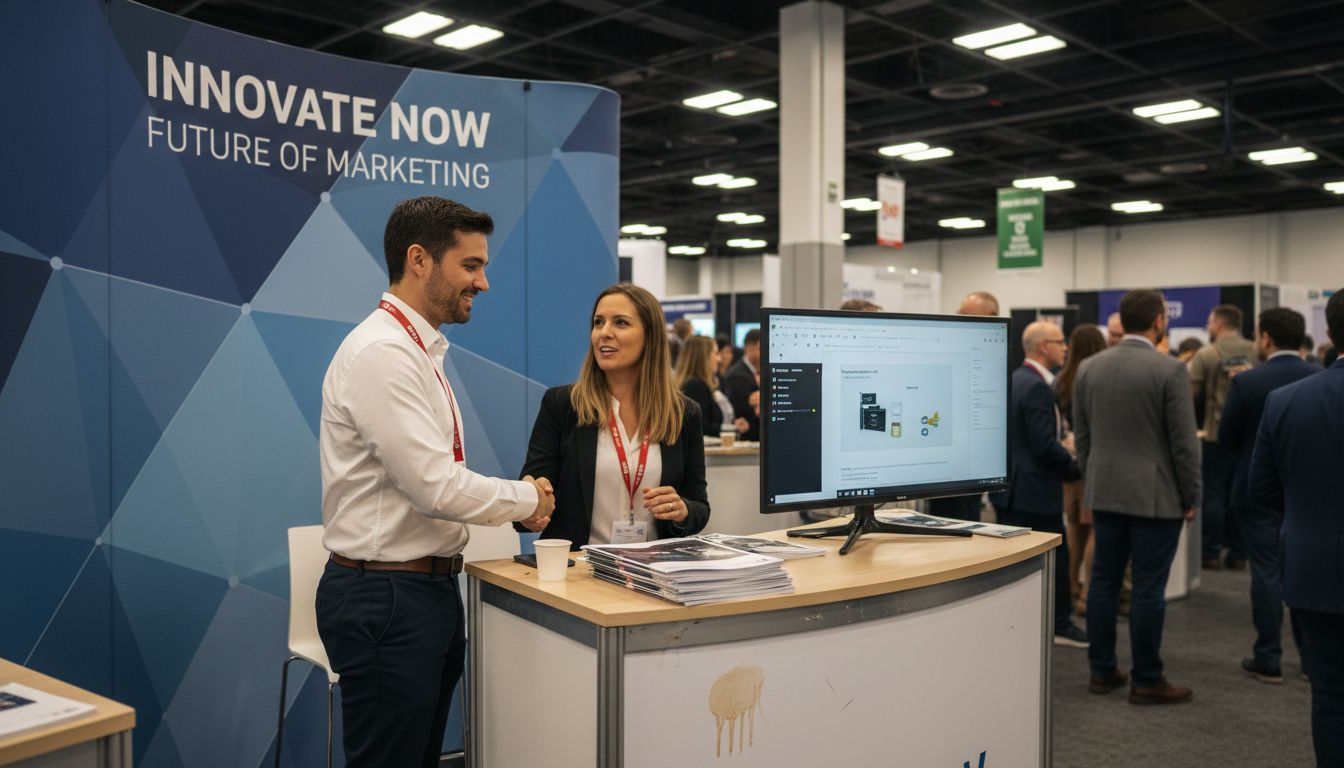
Preparing for a trade show can feel overwhelming when you are trying to stand out and achieve real business results. Without the right plan, your booth risks getting lost in the crowd and leaving you with wasted marketing dollars and missed opportunities. The key to making your investment worthwhile is setting clear goals, designing an engaging booth, and reaching the right audience before the event starts. This list will give you practical steps to define objectives, create a booth that attracts visitors, and implement strategies that make your participation meaningful. Get ready to discover actionable insights that will turn your next trade show into a success story instead of a missed chance.
Table of Contents
- 1. Define Clear Trade Show Goals And Objectives
- 2. Choose The Right Booth Design For Your Brand
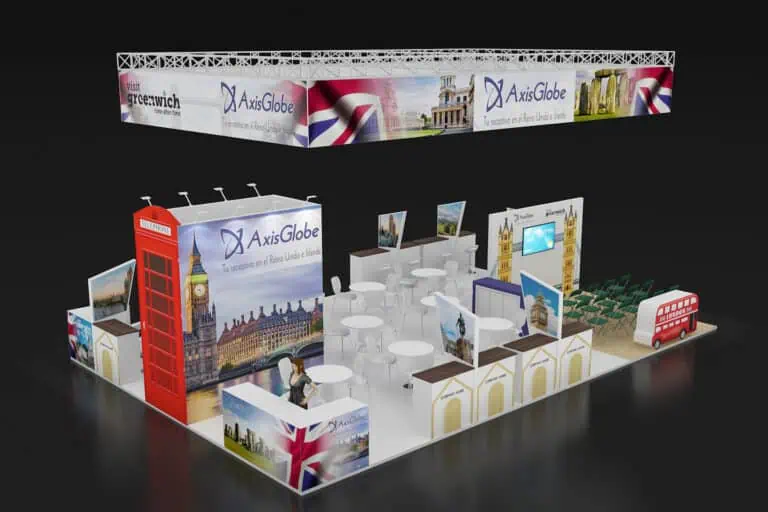
- 3. Leverage 3D Visualization For Stand Planning
- 4. Incorporate Interactive Elements To Engage Attendees
- 5. Maximize Pre-Event Marketing And Outreach
- 6. Use On-Site Support For Seamless Execution
- 7. Measure Results And Gather Feedback For Next Time
Quick Summary
| Takeaway | Explanation |
|---|---|
| 1. Define Clear Objectives | Establishing specific trade show goals ensures focused marketing and measurable outcomes for participation. |
| 2. Strategic Booth Design | A well-designed booth conveys your brand identity and engages attendees effectively. |
| 3. Engage with Interactivity | Incorporating interactive elements creates memorable experiences that foster connections with visitors. |
| 4. Implement Pre-Event Marketing | Proactive outreach before the event builds anticipation and drives attendance to your booth. |
| 5. Measure and Analyze Results | Post-event evaluation is crucial for identifying successes and areas for improvement in future trade shows. |
1. Define Clear Trade Show Goals and Objectives
Successful trade show participation begins with crystal-clear objectives that transform generic attendance into a strategic business opportunity. Without well-defined goals, your exhibition becomes a costly, unfocused endeavor that squanders precious resources and potential connections.
Defining precise trade show objectives allows you to concentrate your marketing efforts and measure actual performance. Trade show goals typically fall into several strategic categories:
- Lead Generation: Collecting high-quality potential customer contacts
- Brand Awareness: Increasing market visibility and recognition
- Networking: Building industry relationships and partnerships
- Market Research: Gathering competitive intelligence and customer insights
- Direct Sales: Securing immediate sales opportunities on the exhibition floor
Establishing 1-2 primary objectives helps focus your team’s energy and resources toward measurable outcomes.
When crafting your objectives, apply the SMART framework to ensure clarity and achievability:
- Specific: Clearly define what you want to accomplish
- Measurable: Establish concrete metrics for tracking success
- Achievable: Set realistic goals within your team’s capabilities
- Relevant: Align objectives with broader business strategies
- Time-bound: Create deadlines and evaluation periods
For instance, instead of a vague goal like “increase brand visibility,” set a precise target such as “generate 75 qualified leads from targeted industry segments” or “secure meetings with 10 potential strategic partners.”
By selecting precise trade show objectives that align with your business strategy, you transform a potential networking event into a powerful growth mechanism.
Pro tip: Create a detailed tracking spreadsheet before the event to document your objective achievements and calculate your return on investment immediately after the trade show concludes.
2. Choose the Right Booth Design for Your Brand
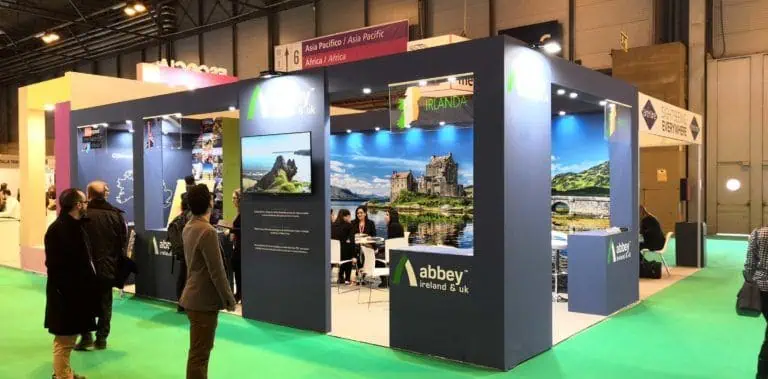
Your trade show booth is more than a physical space. It is your brand’s three-dimensional storytelling platform that communicates your company’s identity within seconds of attendees approaching.
A strategic booth design transcends aesthetic appeal. It serves as a powerful communication tool that must balance visual attraction with functional purpose. The right design transforms your exhibition space from a simple display into an immersive brand experience.
An exceptional booth design creates an instant connection between your brand and potential customers.
Key elements to consider when designing your booth include:
- Visual Consistency: Align booth design with your brand’s color palette and visual identity
- Spatial Efficiency: Maximize booth layout to facilitate smooth attendee interactions
- Interactive Elements: Incorporate technology or engagement zones that invite participation
- Branding Visibility: Ensure logos and key messaging are prominently displayed
- Modular Flexibility: Select designs adaptable to different trade show configurations
Effective booth designs typically follow these strategic principles:
- Create an open and welcoming layout
- Use lighting to highlight key product or service areas
- Integrate multimedia displays for dynamic storytelling
- Design clear pathways for visitor movement
- Include comfortable conversation areas
Trade show booth planning requires understanding your target audience’s expectations and designing a space that resonates with their professional needs.
Consider your booth as a physical extension of your marketing strategy. Every design choice should intentionally communicate your brand’s unique value proposition and invite meaningful engagement.
Pro tip: Request a 3D visualization of your booth design before the event to identify potential layout or aesthetic improvements and ensure your final design matches your strategic vision.
3. Leverage 3D Visualization for Stand Planning
3D visualization transforms trade show booth planning from guesswork into precision engineering. This powerful technology allows you to preview and optimize your exhibition space before a single physical element is constructed.
3D visualization enables exhibitors to make informed design decisions by creating realistic digital representations of their trade show booth. These advanced digital models provide comprehensive insights that traditional 2D sketches cannot match.
Digital previews eliminate costly design mistakes and help you understand exactly how your booth will look and function.
Key advantages of using 3D visualization include:
- Spatial Optimization: Understand booth layout and traffic flow before the event
- Design Refinement: Test multiple configurations quickly and cost-effectively
- Stakeholder Communication: Share detailed booth concepts with team members
- Color and Branding Accuracy: Preview exact color schemes and graphic placements
- Budget Management: Identify potential design challenges early in the planning process
The 3D visualization process typically involves:
- Creating a digital model of your booth space
- Adding precise brand elements and graphics
- Testing different layout configurations
- Generating multiple design perspectives
- Refining the final design based on digital insights
Trade show booth planning becomes significantly more strategic when you leverage advanced 3D visualization technologies.
Pro tip: Request multiple render angles of your 3D booth design to understand how it will appear from different attendee approach perspectives, ensuring maximum visual impact.
4. Incorporate Interactive Elements to Engage Attendees
Interactive booth elements transform passive observers into active participants creating memorable brand experiences that drive meaningful connections. By moving beyond traditional static displays you invite attendees to engage with your brand in dynamic and personalized ways.
Interactive technology converts your trade show booth from a simple information station into an immersive brand exploration zone. These engaging elements capture attention and create lasting impressions that extend well beyond the event floor.
Engagement is the currency of modern trade show marketing.
Effective interactive elements can include:
- Touchscreen Demonstrations: Allow hands-on product exploration
- Augmented Reality Experiences: Showcase products in innovative virtual environments
- Gamification Stations: Create competitive or collaborative brand interactions
- Digital Surveys and Feedback Platforms: Collect real-time visitor insights
- Live Social Media Integration: Encourage immediate digital sharing
Successful interactive booth strategies typically follow these design principles:
- Align interactive elements with brand messaging
- Create intuitive user experiences
- Provide clear value to participants
- Collect meaningful data during interactions
- Ensure technology reliability and smooth functionality
Trade show booth engagement requires thoughtful design that balances technological innovation with genuine human connection.
Pro tip: Train booth staff to seamlessly guide attendees through interactive experiences and capture contact information during engaging technology interactions.
5. Maximize Pre-Event Marketing and Outreach
Pre-event marketing transforms trade show participation from a passive experience into a strategic opportunity for targeted engagement. The most successful exhibitors understand that meaningful connections begin long before the event doors open.
Proactive marketing creates anticipation and positions your brand as a must-visit destination among potential clients and industry professionals. By initiating strategic outreach weeks before the trade show you dramatically increase the likelihood of meaningful interactions.
Effective pre-event marketing turns cold prospects into warm leads before you even arrive at the exhibition.
Key pre-event marketing strategies include:
- Personalized Email Campaigns: Segment and target potential booth visitors
- Social Media Teasers: Create excitement about your upcoming exhibition
- Exclusive Invitation Communications: Offer special incentives for booth visits
- LinkedIn Networking: Connect with potential attendees before the event
- Targeted Digital Advertising: Reach specific industry segments
A comprehensive pre-event outreach timeline typically follows these stages:
- Start marketing efforts 6-8 weeks before the trade show
- Create segmented contact lists
- Develop personalized communication strategies
- Design compelling pre-event content
- Schedule strategic follow-up mechanisms
Trade show marketing strategies require a systematic approach that transforms passive attendance into active engagement.
Pro tip: Create a dedicated landing page for trade show registrants that offers exclusive preview content or special booth incentives to maximize pre-event interest and commitment.
6. Use On-Site Support for Seamless Execution
On-site support transforms potential exhibition chaos into a carefully orchestrated brand experience. Professional support ensures every aspect of your trade show presence runs with precision and professionalism.
Strategic on-site management acts as the critical backbone of your exhibition strategy. These specialized professionals handle complex logistics and unexpected challenges while maintaining your brand’s professional image.
Exceptional on-site support converts potential disruptions into smooth operational opportunities.
Key components of comprehensive on-site support include:
- Technical Setup Assistance: Rapid booth construction and technology integration
- Real-Time Problem Solving: Immediate resolution of unexpected challenges
- Staff Management: Coordinating team roles and responsibilities
- Equipment Maintenance: Ensuring all interactive elements function perfectly
- Continuous Performance Monitoring: Tracking booth engagement and visitor interactions
Successful on-site support follows these critical implementation steps:
- Develop a detailed support deployment plan
- Train support team on specific booth objectives
- Create clear communication protocols
- Establish backup strategies for potential issues
- Implement real-time reporting mechanisms
Trade show booth planning requires meticulous attention to operational details that professional on-site support can provide.
Pro tip: Create a comprehensive on-site support handbook with emergency contact information, backup equipment locations, and contingency protocols to empower your team during the exhibition.
7. Measure Results and Gather Feedback for Next Time
Successful trade show participation extends far beyond the event itself. Comprehensive performance measurement transforms your exhibition experience from a single event into a strategic learning opportunity for future growth.
Post-event analysis provides critical insights that help refine your trade show strategy and maximize return on investment. By systematically collecting and evaluating data you create a continuous improvement framework for your exhibition efforts.
Measuring trade show performance turns isolated experiences into actionable strategic intelligence.
Key metrics to track during performance evaluation include:
- Lead Quantity and Quality: Number and potential value of generated contacts
- Engagement Rates: Time spent at booth and depth of visitor interactions
- Conversion Potential: Immediate and follow-up sales opportunities
- Brand Awareness Impact: Social media mentions and digital engagement
- Cost Per Lead: Financial efficiency of exhibition participation
A comprehensive post-event evaluation process typically involves:
- Compile comprehensive lead and interaction data
- Conduct team debrief sessions
- Analyze performance against initial objectives
- Create detailed performance report
- Develop improvement recommendations
Trade show performance tracking requires systematic documentation and honest reflection on both successes and opportunities for enhancement.
Pro tip: Create a standardized post-event evaluation template that allows consistent comparison across different trade show experiences and enables precise performance tracking.
Below is a comprehensive table summarizing the key strategies for successful trade show participation as discussed in the article.
| Topic | Strategy or Component | Purpose or Outcome |
|---|---|---|
| Goal Setting | Define clear, SMART objectives for the trade show. | Enables focused marketing efforts, measurable outcomes, and effective resource allocation. |
| Booth Design | Design an engaging, visually appealing booth that communicates brand identity. | Enhances visual attraction, facilitates interaction, and creates memorable brand presence. |
| Interactive Elements | Incorporate interactive technologies such as AR, gamification, and feedback platforms. | Promotes attendee engagement, deepens brand connection, and collects valuable visitor insights. |
| 3D Visualization | Utilize 3D modeling to preview and refine booth layouts and designs. | Optimizes design choices, enhances spatial layout, and reduces potential mistakes. |
| Pre-Event Marketing | Launch strategic outreach campaigns including email, social media, and personalized invitations. | Generates excitement, increases brand recall, and attracts targeted attendees to your booth. |
| On-Site Support | Deploy professional on-site teams for operational management and real-time problem-solving. | Ensures smooth execution, handles contingencies, and maintains professional representation. |
| Performance Evaluation | Measure outcomes such as leads generated, engagement, cost per lead, and brand awareness. | Provides strategic insights for continuous improvement and determines ROI on trade show investment. |
Unlock Your Trade Show Success with Adam Expo Stand
The challenge of boosting brand visibility at trade shows is clear in the article’s insights. You want precise trade show objectives, captivating booth design, and impactful interactive experiences to engage attendees effectively. The pain points you face include converting leads, maximizing visual impact, and managing the complexity of stand planning and on-site logistics. At Adam Expo Stand, we specialize in transforming these challenges into opportunities with tailored exhibition stand design, 3D visualization, and comprehensive on-site support that resonate with your brand’s unique story.
Discover how our custom and modular booth solutions cater directly to your goals from increasing brand awareness to generating qualified leads. Our turnkey services ensure flawless execution so you can focus entirely on meaningful connections. If you are ready to elevate your trade show presence with innovative design and expert management, explore our trade show booth planning resources. Don’t wait to make your brand the center of attention. Visit Adam Expo Stand today and start crafting an unforgettable exhibition experience that drives measurable results.
Frequently Asked Questions
What are effective ways to define trade show goals?
Setting clear trade show goals involves using the SMART framework. Aim for specific objectives such as generating a certain number of leads or increasing brand awareness by a measurable percentage.
How can I choose the right booth design to enhance brand visibility?
Select a booth design that aligns with your brand’s identity and offers an inviting layout. Use visually consistent elements and ensure your logo is prominently displayed to capture attention as attendees approach.
What interactive elements can I include to engage trade show attendees?
Incorporate touchscreens, augmented reality experiences, or gamification stations into your booth. These elements encourage active participation and can help you collect valuable attendee insights and contact information.
How can I maximize pre-event marketing for my trade show participation?
Initiate personalized email campaigns and create social media buzz about your booth weeks before the event. Set a timeline to reach out 6-8 weeks in advance to increase interest and ensure a warm audience at the event.
What should I focus on when measuring the success of my trade show participation?
Evaluate metrics such as the quantity and quality of leads generated, engagement rates, and overall brand awareness impact. Document these results systematically to identify areas for improvement and enhance future strategies.
Recommended
- 7 Event Branding Ideas to Boost Trade Show Engagement
- Success Exhibiting at IFEMA Madrid: The Ultimate Exhibitor Guide
- Role of Branding in Trade Shows: Lasting Impact
- The Ultimate Guide to Trade Booth Rental Design in Europe | Adam Expo Stand Solutions
- A+Majice – Tisk na oblačila, za vaše društvo, podjetje, dogodek, brand, fantovščino…