Adaptive Booth Solutions Explained: Boost Event Impact
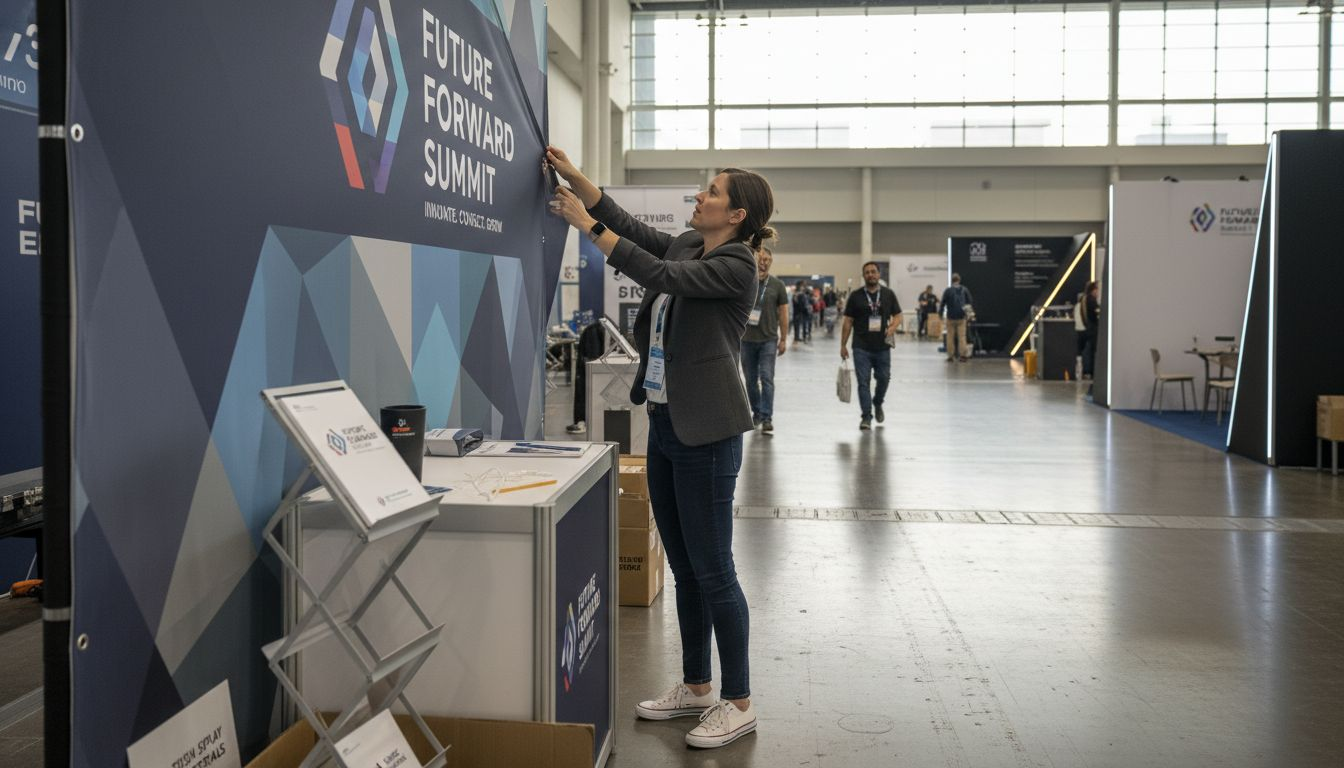
Trade show environments rarely stay the same from city to city, making adaptability a top concern for every European marketing manager. Flexible booth solutions unlock the power to tailor layouts, incorporate cutting-edge technology, and quickly reflect your brand in any venue. By combining modular design principles and interactive displays, you can create spaces that truly stand out, inviting attendee engagement and elevating your brand presence across international exhibitions.
Table of Contents
- Defining Adaptive Booth Solutions And Benefits
- Types Of Adaptive Booths And Modular Systems
- Key Features Enabling Flexibility And Branding
- How Adaptive Booths Support Trade Show Goals
- Comparing Costs, Rentals, And Long-Term Value
Key Takeaways
| Point | Details |
|---|---|
| Adaptive Booth Solutions Enhance Engagement | Flexible and customizable displays create immersive experiences that foster dynamic interaction with audiences. |
| Types of Modular Booths Offer Strategic Advantages | Various booth types, including pop-up and digital integration, cater to specific marketing needs and spatial constraints. |
| Cost-Effective Design Maximizes Value | Adaptive booths provide long-term financial benefits through flexibility in rental and ownership models, enhancing overall return on investment. |
| Pre-Event Planning is Essential | Comprehensive planning and site surveys are crucial for optimizing booth design and ensuring alignment with event goals. |
Defining Adaptive Booth Solutions and Benefits
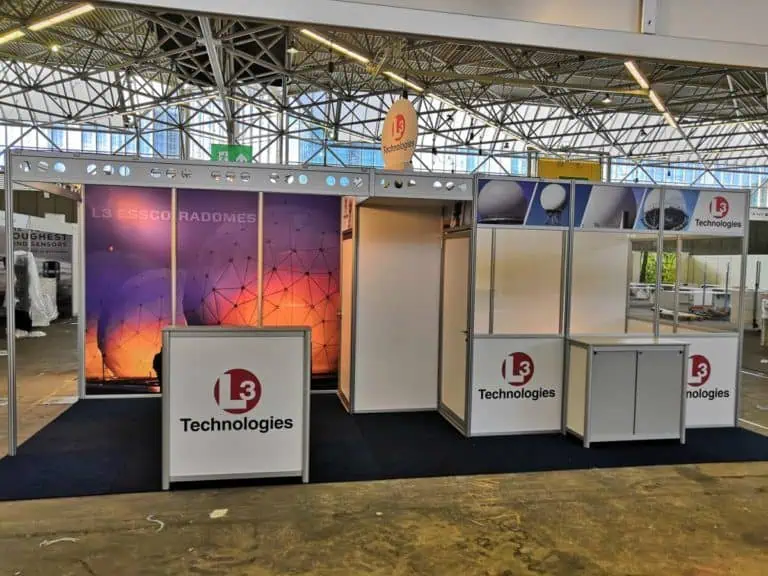
Adaptive booth solutions represent a strategic approach to trade show exhibit design that prioritizes flexibility, customization, and dynamic interaction for maximum brand engagement. These innovative display systems go beyond traditional static setups, offering businesses the ability to transform their exhibition presence rapidly and effectively.
At their core, adaptive booth solutions are modular exhibit designs engineered to:
- Quickly reconfigure physical layouts
- Accommodate different event spaces and requirements
- Integrate cutting-edge technological interfaces
- Support seamless brand storytelling
- Maximize return on exhibition investments
The fundamental philosophy behind adaptive booth solutions centers on creating versatile exhibition environments that can evolve with changing marketing objectives and audience expectations. Unlike rigid, one-size-fits-all booth designs, these solutions provide marketers with unprecedented flexibility to craft immersive, responsive brand experiences.
By leveraging interactive and innovative booth features, companies can transform their trade show presence from a passive display into an engaging, dynamic platform for customer interaction. Modular components, scalable design elements, and smart technological integrations enable exhibitors to create compelling narratives that resonate with diverse audience segments.
Adaptive booth solutions are not just about physical design—they represent a strategic approach to creating memorable, impactful brand experiences that transcend traditional exhibition limitations.
Benefits of Adaptive Booth Solutions:
- Enhanced Flexibility
- Cost-Effective Customization
- Improved Brand Storytelling
- Technology Integration
- Sustainable Design Approach
Pro Tip: Begin planning your adaptive booth strategy at least 3-4 months before your target trade show to ensure optimal design and technological integration.
Types of Adaptive Booths and Modular Systems
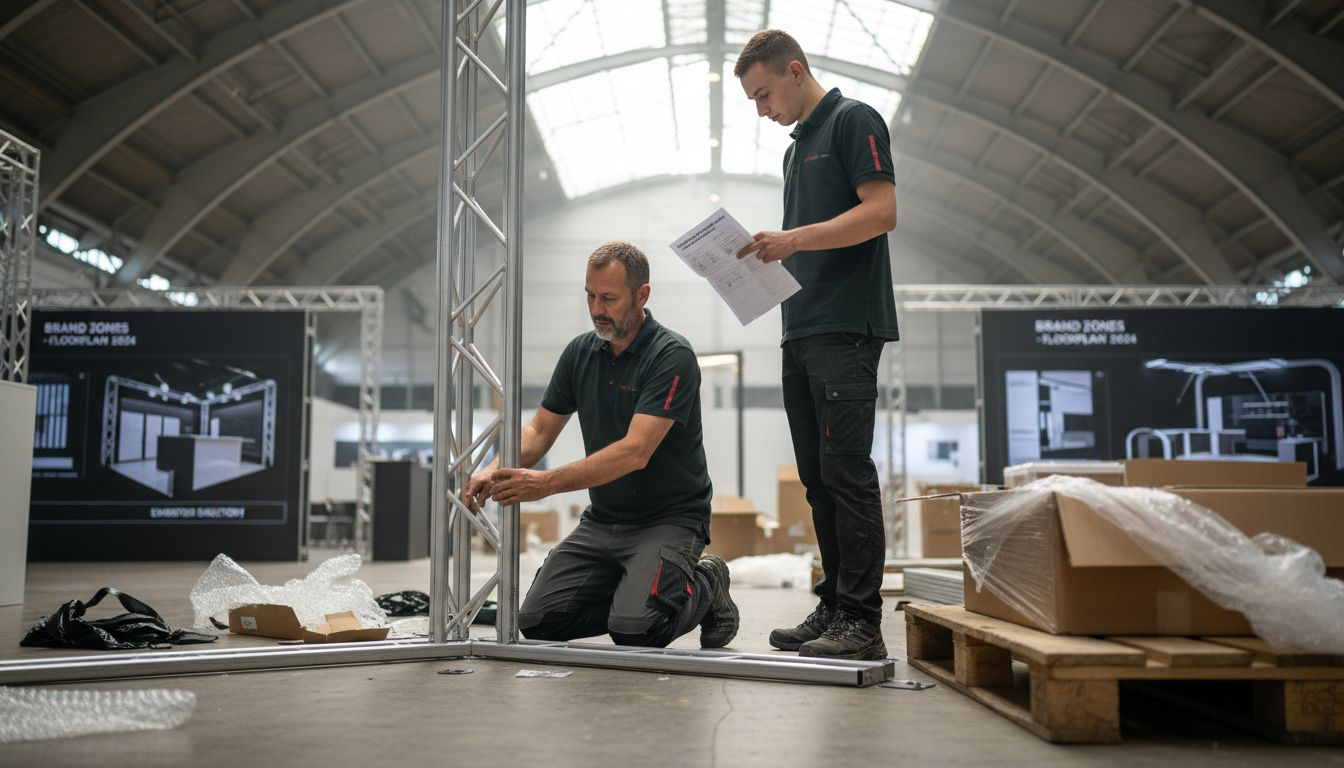
Adaptive booth systems represent a sophisticated approach to exhibition design, offering businesses unprecedented flexibility in creating dynamic and responsive trade show experiences. These modular solutions come in various configurations, each designed to meet specific marketing objectives and spatial constraints.
The primary types of adaptive booth systems include:
- Pop-up Modular Booths: Lightweight, portable displays that can be quickly assembled and reconfigured
- Expandable Booth Frames: Flexible structures that can expand or contract based on event requirements
- Custom Hybrid Systems: Combination designs that blend fixed and movable components
- Digital Integration Booths: Technologically advanced displays with integrated multimedia and interactive elements
Each booth type offers unique advantages in modular booth solutions, enabling companies to create compelling brand narratives that adapt to different exhibition environments. The core principle behind these systems is the ability to maximize visual impact while maintaining operational efficiency.
Below is a comparison of adaptive booth types for strategic decision-making:
| Booth Type | Best Use Case | Flexibility Level | Technology Integration Potential |
|---|---|---|---|
| Pop-up Modular Booths | Quick setup for small events | High | Limited |
| Expandable Booth Frames | Large, variable spaces | Very High | Moderate |
| Custom Hybrid Systems | Custom branding needs | Moderate to High | High |
| Digital Integration Booths | Tech-driven brand engagement | Moderate | Very High |
Understanding the specific characteristics of each modular system allows marketers to select the most appropriate design for their brand communication strategy. Structural flexibility becomes a critical factor in creating memorable exhibition experiences that can be easily customized and reimagined for different audiences and event spaces.
Modular booth systems are not just display solutions—they are strategic tools for transforming brand storytelling and audience engagement.
Key Considerations for Selecting Booth Types:
- Event Space Dimensions
- Budget Constraints
- Transportation Logistics
- Brand Messaging Requirements
- Technological Integration Needs
Pro Tip: Invest time in detailed pre-event planning and conduct a comprehensive site survey to ensure your adaptive booth system perfectly matches the exhibition venue’s specifications.
Key Features Enabling Flexibility and Branding
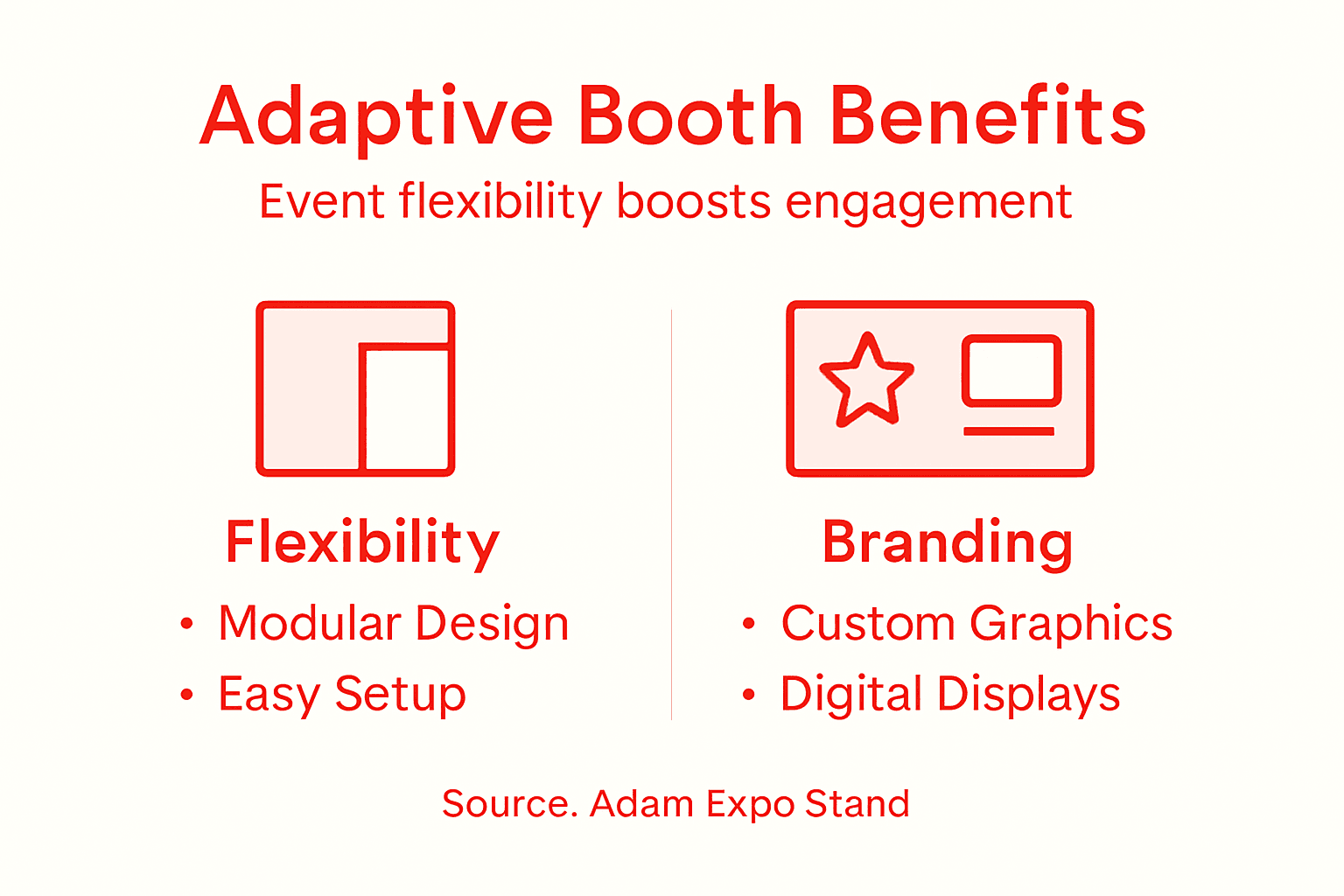
Adaptive booth design represents a strategic approach to exhibition marketing that combines technological innovation with brand storytelling. The key features enabling flexibility and branding transform traditional trade show displays into dynamic, interactive brand experiences that captivate and engage potential customers.
Critical features that drive booth adaptability include:
- Modular Component Systems: Allow rapid reconfiguration and layout modifications
- Integrated Digital Displays: Support real-time content updates and interactive presentations
- Scalable Graphic Panels: Enable seamless brand messaging across different booth sizes
- Lightweight Structural Elements: Facilitate easy transportation and quick assembly
- Custom Branding Integration: Ensure consistent visual identity across all exhibition environments
These sophisticated design elements work together to maximize event branding impact, providing businesses with unprecedented control over their visual narrative. Technological adaptability becomes a critical differentiator, allowing companies to create immersive experiences that respond dynamically to audience interactions and event requirements.
The most advanced adaptive booth solutions incorporate smart design principles that balance aesthetic appeal with functional versatility. Exhibitors can now seamlessly transition between different presentation modes, adjust spatial configurations, and integrate multimedia elements without compromising their core brand messaging.
Flexibility in booth design is not just about physical movement—it’s about creating a responsive brand storytelling platform that adapts to diverse audience needs.
Strategic Branding Capabilities:
- Instant Brand Recognition
- Customizable Messaging Zones
- Multi-Format Presentation Options
- Seamless Technology Integration
- Rapid Rebranding Potential
Pro Tip: Develop a comprehensive design brief that outlines your core brand elements and potential exhibition scenarios to maximize the adaptability of your booth system.
How Adaptive Booths Support Trade Show Goals
Trade show success depends on strategic booth design that transforms passive exhibition spaces into dynamic engagement platforms. Adaptive booth solutions offer businesses a sophisticated approach to achieving critical marketing objectives by providing unprecedented flexibility and targeted interaction capabilities.
Key trade show goals supported by adaptive booth systems include:
- Lead Generation: Create interactive zones that capture and qualify potential customer information
- Brand Awareness: Develop visually compelling displays that communicate brand identity
- Product Demonstration: Design configurable spaces for immersive product showcases
- Networking: Establish versatile areas for professional conversations and connections
- Market Research: Build integrated feedback mechanisms for real-time audience insights
By prioritizing booth functionality for trade shows, businesses can transform traditional exhibition spaces into strategic marketing tools. Technological adaptability enables companies to quickly pivot their presentation approach, responding to audience engagement levels and event dynamics in real time.
The most effective adaptive booths function as comprehensive communication platforms that extend far beyond static displays. They integrate multimedia presentations, interactive technologies, and modular design elements to create immersive brand experiences that resonate with diverse audience segments and professional backgrounds.
Adaptive booth solutions are not just exhibition displays—they are dynamic storytelling environments that translate brand narratives into memorable audience interactions.
Strategic Engagement Objectives:
- Maximize Audience Interaction
- Optimize Information Delivery
- Enhance Brand Visibility
- Streamline Lead Capture
- Provide Measurable Engagement Metrics
Pro Tip: Develop a comprehensive pre-event strategy that maps your booth’s technological and spatial capabilities to specific audience engagement goals.
Comparing Costs, Rentals, and Long-Term Value
Exhibition investment strategies require careful analysis of upfront expenses, operational flexibility, and potential long-term returns. Adaptive booth solutions offer businesses a nuanced approach to managing trade show budgets while maximizing brand visibility and engagement potential.
Key cost considerations for adaptive booth systems include:
- Initial Investment: Comprehensive upfront design and fabrication expenses
- Rental Options: Flexible short-term solutions with reduced capital commitment
- Maintenance Costs: Ongoing expenses for booth upkeep and technological updates
- Transportation Logistics: Expenses related to shipping, handling, and storage
- Customization Potential: Additional costs for brand-specific design modifications
Modular trade show stands built around specific goals provide strategic financial advantages by reducing long-term exhibition expenses. Cost-effective design enables businesses to create versatile booth solutions that adapt to changing marketing requirements without constant total reinvestment.
Rental and ownership models each present unique financial implications for businesses. Rental options offer lower initial expenses and increased flexibility, while custom-owned booths provide long-term brand consistency and potential cost savings over multiple exhibition cycles. The most effective strategy depends on a company’s specific exhibition frequency, budget constraints, and marketing objectives.
Here’s how rental and ownership models for adaptive booths compare over three years:
| Aspect | Rental Model (3 Years) | Ownership Model (3 Years) |
|---|---|---|
| Initial Cost | Low upfront expense | High upfront investment |
| Rebranding Flexibility | Very flexible per event | Flexible, with added costs |
| Maintenance | Included by vendor | Business responsibility |
| Long-term Value | Less cost-effective | Higher ROI if used often |
Adaptive booth investments are not merely expenses—they are strategic assets that generate returns through enhanced brand visibility, audience engagement, and marketing flexibility.
Financial Comparison Factors:
- Upfront Capital Requirements
- Potential Reuse Value
- Technological Upgrade Potential
- Storage and Maintenance Expenses
- Customization Flexibility
Pro Tip: Conduct a comprehensive three-year cost analysis comparing rental and ownership models to determine the most financially prudent exhibition strategy for your specific business needs.
Elevate Your Trade Show Impact with Adaptive Booth Solutions
Struggling to create a trade show presence that truly stands out and adapts to ever-changing event demands is a common challenge. The article highlights key goals such as enhancing flexibility, improving brand storytelling, integrating technology, and maximizing return on exhibition investments. These pain points require a strategic, versatile approach rather than static, one-size-fits-all booth designs.
At Adam Expo Stand we specialize in delivering custom and modular booth solutions engineered to meet these very needs. Our comprehensive services cover everything from conceptual design and 3D visualization to on-site assembly and logistics management. Using our expertise in adaptive booth solutions, you gain access to flexible, scalable exhibition stands that evolve with your marketing objectives. This empowers you to craft immersive brand experiences that captivate attendees and deliver measurable engagement.
Are you ready to transform your trade show presence into a dynamic brand storytelling platform that drives real results? Discover how our turnkey services can tailor innovative, reusable modular stands or rental options perfectly aligned with your goals. Visit Adam Expo Stand now and start planning your adaptable booth strategy to boost event impact and build lasting brand recognition.
Frequently Asked Questions
What are adaptive booth solutions?
Adaptive booth solutions are modular exhibit designs that prioritize flexibility, customization, and dynamic interaction for engaging brand experiences at trade shows. They allow rapid reconfiguration to meet various event needs.
What are the benefits of using adaptive booth solutions?
Key benefits include enhanced flexibility, cost-effective customization, improved brand storytelling, technology integration, and a sustainable design approach that maximizes return on exhibition investments.
What types of adaptive booth systems are available?
The primary types include pop-up modular booths, expandable booth frames, custom hybrid systems, and digital integration booths. Each type offers unique advantages and flexibility based on the specific marketing goals and event requirements.
How can adaptive booths support trade show goals?
Adaptive booths support trade show goals by enhancing lead generation, increasing brand awareness, enabling immersive product demonstrations, facilitating networking, and providing valuable market research insights.