

7 Key Exhibition Branding Strategies for Tech Companies
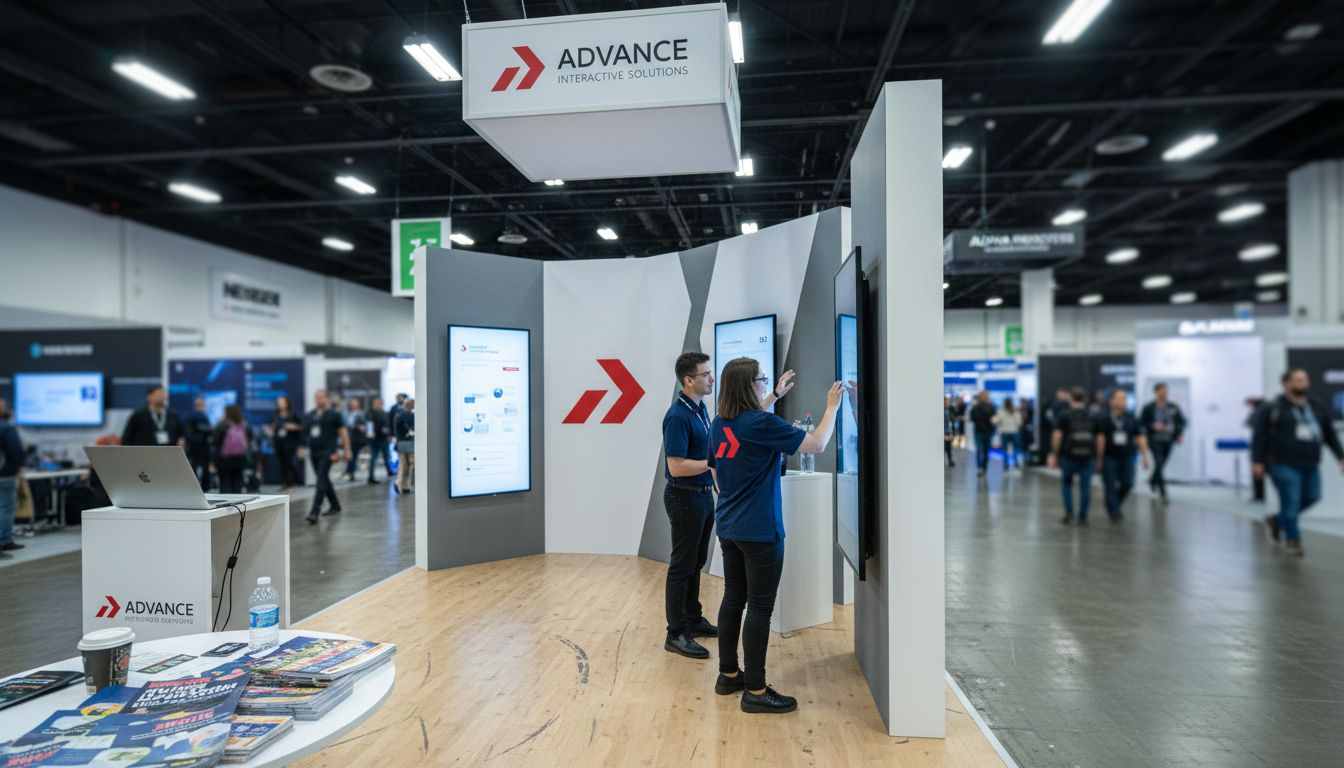
Standing out as a tech company at a major exhibition is never easy. With so many innovative brands vying for attention, simply setting up a booth is not enough to make a lasting impression. You need clear objectives, thoughtful design, and strategies that go beyond the basics if you want to attract the right audience and achieve real business results.
The good news is that practical approaches exist to turn your exhibit into a true magnet for your target market. From defining clear brand objectives to making the most of interactive digital technologies and sustainable design, each step gives you a proven way to position your brand and connect with visitors in meaningful ways. Get ready to discover actionable insights that will help you maximize your impact at your next exhibition and set your tech company apart from the rest.
Table of Contents
- 1. Define Clear Brand Objectives For Your Exhibit
- 2. Leverage Custom Booth Design For Maximum Impact
- 3. Incorporate Interactive Digital Elements
- 4. Highlight Sustainability With Eco-Friendly Stands
- 5. Utilize Strategic Color And Lighting Choices
- 6. Create Consistent Brand Messaging Across Touchpoints
- 7. Engage Attendees With Personalized Experiences
Quick Summary
| Takeaway | Explanation |
|---|---|
| 1. Define Clear Brand Objectives | Establish measurable goals to guide your exhibition strategy, ensuring alignment with broader business outcomes. |
| 2. Invest in Custom Booth Design | A well-designed booth enhances brand visibility and creates an immersive experience for potential clients. |
| 3. Incorporate Interactive Digital Elements | Use technology like AR and VR to engage visitors and enhance their experience, making interactions memorable. |
| 4. Emphasize Sustainability | Create eco-friendly stands to showcase your commitment to environmental responsibility and attract conscious clients. |
| 5. Ensure Consistent Brand Messaging | Develop a unified communication strategy across all touchpoints to create a credible and trust-building narrative. |
1. Define Clear Brand Objectives for Your Exhibit
Successful tech companies understand that trade show exhibitions are more than just physical spaces – they are strategic platforms for brand communication and market positioning. Defining clear brand objectives transforms your exhibit from a passive display into a powerful storytelling mechanism that captivates potential clients and partners.
When developing your exhibition strategy, focus on creating precise and measurable goals that align with your broader business outcomes. These objectives might include:
- Generating a specific number of qualified sales leads
- Introducing a new product or technological innovation
- Establishing thought leadership within your industry segment
- Building strategic partnerships with potential collaborators
- Increasing brand awareness among target market segments
Research from industry experts highlights that companies with well-defined exhibition strategies are 67% more likely to achieve meaningful business outcomes. By articulating your objectives upfront, you create a strategic roadmap that guides every aspect of your exhibit design, messaging, and interaction approach.
Clear brand objectives transform your exhibition presence from a passive space into a dynamic storytelling platform that communicates your unique value proposition.
To develop robust objectives, conduct a comprehensive internal assessment that evaluates your current market position, competitive landscape, and specific growth targets. This involves collaborating across marketing, sales, and product teams to ensure your exhibition goals are holistic and aligned with broader organizational strategies.
Concrete objectives enable more targeted engagement. Instead of generic networking, you can design interactive experiences, demonstration zones, and conversation starters that directly speak to your predetermined goals.
Pro tip: Create a one-page “Exhibition Strategy Brief” that outlines your specific objectives, target audience personas, and key performance indicators before designing your exhibit booth design or preparing marketing materials.
2. Leverage Custom Booth Design for Maximum Impact
Your exhibition booth is more than a physical space – it is a powerful visual communication platform that can instantly capture attention and convey your tech company’s unique brand narrative. Custom booth design represents a strategic investment in creating an immersive environment that transforms passive viewers into engaged potential clients.
Successful tech companies recognize that booth design goes far beyond aesthetic appeal. Your exhibit should strategically blend visual elements with functional design to create a compelling narrative about your brand’s innovations and capabilities.
Key considerations for impactful booth design include:
- Reflecting your brand’s visual identity and color palette
- Creating intuitive navigation and interaction zones
- Incorporating cutting-edge technological displays
- Designing flexible spaces for demonstrations and meetings
- Ensuring seamless integration of digital and physical elements
A thoughtfully designed booth communicates your technological prowess before a single word is spoken.
Modular design approaches offer significant advantages for tech companies. These flexible configurations allow you to adapt your exhibit for different event scales and audience requirements. By investing in adaptable booth structures, you create a cost-effective solution that maintains a consistent brand presence across multiple exhibitions.
Visual storytelling is crucial. Your booth should guide visitors through a narrative that highlights your technological solutions. This might involve creating interactive touchpoints, immersive demonstration areas, or strategically placed visual elements that showcase your company’s unique value proposition.
Technical elements matter. Incorporate high-resolution displays, seamless digital interfaces, and innovative presentation technologies that demonstrate your company’s technological capabilities. Every visual and interactive element should reinforce your brand’s commitment to innovation.
Pro tip: Before finalizing your booth design, create a detailed 3D visualization and conduct internal walkthroughs to identify potential interaction flows and optimize visitor engagement zones.
3. Incorporate Interactive Digital Elements
The era of passive exhibition experiences is over. Modern tech companies must transform their trade show presence into dynamic, interactive environments that engage potential clients through cutting-edge digital technologies.
Interactive digital elements are not just fancy additions – they are strategic communication tools that can dramatically enhance visitor engagement and brand perception. Innovative booth design integrates technology seamlessly to create memorable brand experiences.
Key interactive digital strategies include:
- Augmented reality product demonstrations
- Touch-screen information kiosks
- Virtual reality immersive experiences
- Interactive data visualization displays
- Real-time social media integration walls
- Gamified technology showcases
Interactive technologies transform your exhibition booth from a static display into a living, breathing representation of your brand’s innovative spirit.
Engagement metrics matter. Digital interactive elements allow you to track visitor interactions precisely. By embedding analytics into your digital experiences, you can gather valuable data about attendee interests, engagement duration, and interaction patterns.
Tech companies should focus on creating purposeful digital interactions. This means designing experiences that are not just technologically impressive but also directly aligned with your brand messaging and business objectives. An augmented reality demonstration should do more than look cool – it should clearly communicate your product’s unique value proposition.
Consider the visitor journey when implementing digital elements. Your interactive technologies should guide potential clients through a narrative that highlights your company’s technological capabilities while providing genuine value and insights.
Pro tip: Develop a pre-event digital interaction plan that maps out specific goals for each interactive element, ensuring your technological displays are strategically designed to capture and convert visitor interest.
4. Highlight Sustainability With Eco-Friendly Stands
Sustainability is no longer a peripheral consideration but a core strategic imperative for tech companies exhibiting at international trade shows. By creating eco-friendly exhibition stands, you demonstrate environmental responsibility while distinguishing your brand in an increasingly conscious marketplace.
Modern tech audiences expect more than technological innovation – they demand corporate environmental stewardship. Your exhibition stand represents a powerful opportunity to communicate your commitment to sustainable practices through tangible design choices.
Key sustainability strategies for exhibition stands include:
- Using recycled or renewable materials
- Implementing energy-efficient LED lighting
- Designing modular stands for multiple reuse scenarios
- Minimizing transportation and logistics carbon footprint
- Incorporating digital alternatives to printed materials
- Selecting locally sourced construction components
A sustainable exhibition stand communicates your technological sophistication and environmental consciousness simultaneously.
Modular design approaches offer significant sustainability advantages. These flexible configurations reduce waste by allowing repeated stand reconfiguration across different exhibition environments. By investing in adaptable, reusable stand structures, you create an environmentally responsible solution that maintains consistent brand messaging.
Beyond material choices, consider the entire lifecycle of your exhibition stand. Comprehensive sustainability involves evaluating energy consumption, transportation emissions, and potential waste generation. Select partners who can provide transparent sustainability metrics and demonstrate genuine environmental commitment.
Tech companies can leverage sustainability as a competitive differentiator. By showcasing your environmental principles through thoughtful stand design, you attract environmentally conscious clients and demonstrate leadership beyond technological innovation.
Pro tip: Request a comprehensive sustainability audit of your exhibition stand design, documenting carbon reduction potential and environmental impact to substantiate your green credentials.
5. Utilize Strategic Color and Lighting Choices
Color and lighting are more than aesthetic choices – they are powerful psychological tools that can dramatically influence visitor perception and engagement at technology exhibitions. Event branding strategies recognize that visual elements communicate complex narratives about your technological capabilities and brand identity.
Your exhibition stand’s color palette and lighting design serve as silent communicators that can attract attention, evoke emotions, and create memorable brand experiences. Tech companies must approach these elements with the same precision they apply to product development.
Key strategic considerations include:
- Aligning color choices with brand identity
- Using lighting to highlight key product features
- Creating visual hierarchy through color gradients
- Employing complementary color psychology
- Utilizing dynamic lighting techniques
- Balancing visual intensity with readability
Color and light transform your exhibition stand from a physical space into an immersive brand experience.
Psychological color selection plays a crucial role in brand communication. Cool blues and grays often convey technological sophistication and reliability, while strategic accent colors can draw attention to specific innovations or interactive zones.
Lighting techniques go beyond simple illumination. Intelligent lighting design can create depth, guide visitor attention, and enhance the perceived quality of your technological displays. Consider using programmable LED systems that can dynamically change color and intensity to match different presentation moments.
Remember that color and lighting work together as a comprehensive sensory experience. Your goal is to create a harmonious environment that feels both technologically advanced and invitingly human.
Pro tip: Conduct a pre-event lighting and color mock-up to ensure your exhibition stand’s visual design translates precisely from concept to physical space, capturing the intended technological and emotional impact.
6. Create Consistent Brand Messaging Across Touchpoints
Consistency is the cornerstone of powerful brand communication. In the complex landscape of technology exhibitions, your messaging must speak with a unified voice across every interaction point, from digital displays to printed materials, staff interactions to booth design.
By developing a strategic communication framework, tech companies can transform fragmented messages into a cohesive narrative that resonates with potential clients and partners. Event branding ideas emphasize the critical importance of maintaining a synchronized brand experience.
Key elements of consistent messaging include:
- Uniform visual identity and color palette
- Aligned verbal communication style
- Consistent product positioning language
- Synchronized digital and physical brand representations
- Coordinated storytelling across all exhibition materials
- Harmonized staff communication guidelines
Consistent brand messaging transforms scattered interactions into a compelling, unified narrative that builds trust and credibility.
Brand voice alignment requires meticulous planning. This means ensuring that every team member understands and can articulate your core brand message with precision. From sales representatives to technical demonstrators, everyone should communicate your brand’s unique value proposition consistently.
Technology exhibition environments demand nuanced communication strategies. Your messaging must simultaneously communicate technical sophistication and human connection. This requires developing clear communication guidelines that provide flexibility while maintaining core brand principles.
Documenting your brand communication strategy is crucial. Create a comprehensive brand guidelines document that details visual standards, communication tone, key messaging pillars, and acceptable variations for different audience segments.
Pro tip: Conduct a pre-exhibition brand communication workshop with all team members to align messaging, ensuring every interaction reflects a coherent and compelling brand narrative.
7. Engage Attendees With Personalized Experiences
Personalization transforms exhibition interactions from generic encounters into memorable, tailored experiences that resonate deeply with individual attendees. By leveraging technology and strategic design, tech companies can create immersive engagement environments that speak directly to each visitor’s unique interests and professional needs.
Interactive exhibition strategies enable companies to move beyond traditional one-size-fits-all approaches and craft nuanced, data-driven visitor experiences. The goal is to make each attendee feel uniquely understood and valued.
Key personalization techniques include:
- Implementing data-driven interaction zones
- Creating customizable product demonstration paths
- Utilizing AI-powered recommendation systems
- Designing adaptive digital interfaces
- Developing segmented engagement touchpoints
- Offering individualized content experiences
Personalization is not about technology – it is about human connection at scale.
Technology enables sophisticated personalization. Advanced tools like machine learning algorithms and real-time data processing allow exhibition stands to dynamically adjust content, recommendations, and interaction flows based on immediate visitor characteristics and behaviors.
Successful personalization requires a delicate balance between technological capability and human-centered design. Your exhibition experience should feel intuitive and seamless, not invasive or overtly algorithmic. The technology should remain invisible while creating meaningful connections.
Consider developing multi-layered interaction protocols that allow visitors to choose their level of engagement. Some attendees might prefer minimal interaction, while others seek deep, immersive experiences. Flexible design accommodates diverse visitor preferences.
Pro tip: Develop a comprehensive visitor persona framework before the exhibition, mapping potential attendee backgrounds and creating modular interaction scenarios that can be dynamically adjusted during the event.
Below is a comprehensive table summarizing the strategies and practices discussed throughout the article for optimizing trade show exhibition approaches.
| Strategy | Implementation | Benefits |
|---|---|---|
| Define Clear Brand Objectives | Establish precise and measurable goals aligned with business outcomes using internal assessments and collaboration across teams. | Guides strategic design, ensures focused interactions, and boosts business successes. |
| Leverage Custom Booth Design | Integrate visual identity with functional spaces and cutting-edge technologies, including 3D visuals for optimization. | Enhances brand storytelling, engages visitors effectively, and adapts to diverse event requirements. |
| Incorporate Interactive Digital Elements | Utilize AR, VR, touchscreen interfaces, and engagement analytics to craft memorable digital experiences. | Improves visitor interaction, provides actionable insights, and highlights technological innovation. |
| Highlight Sustainability With Eco-Friendly Stands | Use renewable materials, energy-efficient systems, and modular designs to align with environmental standards. | Demonstrates corporate responsibility, appeals to eco-conscious audiences, and reduces operational costs. |
| Utilize Strategic Color and Lighting Choices | Apply psychological principles to color and lighting, creating a visually stimulating and brand-aligned environment. | Attracts attention, enhances visitor experience, and reinforces brand identity. |
| Create Consistent Brand Messaging | Develop and document unified communication strategies across all touchpoints. | Builds trust, improves communication coherence, and establishes a compelling overall narrative. |
| Engage Attendees With Personalized Experiences | Implement adaptive interaction zones, AI-driven recommendations, and tailored engagement touchpoints. | Enhances attendee satisfaction, fosters meaningful connections, and differentiates the brand through tailored approaches. |
Elevate Your Tech Brand with Expert Exhibition Stand Solutions
The article highlights key challenges tech companies face at trade shows such as defining clear brand objectives, creating impactful booth designs, incorporating interactive digital elements, and emphasizing sustainability. If you want to turn these strategies into tangible results, customized and modular exhibition stands are essential. At Adam Expo Stand, we specialize in transforming these goals into immersive environments that captivate attendees and reflect your unique technological innovations.
Our comprehensive services include conceptual design with 3D visualization, on-site assembly, and project management tailored to your brand messaging. We also offer sustainable, reusable modular stands that align perfectly with the article’s emphasis on eco-friendly exhibition solutions. Discover how our expert team can help you communicate your technological prowess consistently across all touchpoints by exploring our custom booth design services and learning about our turnkey exhibition management.
Ready to transform your next exhibition into a dynamic, personalized brand experience that drives engagement and business growth Do not wait to make your mark on the trade show floor Contact us at Adam Expo Stand now to start crafting your tailored exhibition solution and secure your competitive edge today
Frequently Asked Questions
How can I define clear brand objectives for my exhibition?
To define clear brand objectives, start by identifying specific, measurable goals that align with your overall business outcomes. Consider objectives like generating qualified sales leads or increasing brand awareness among target market segments. Create a one-page “Exhibition Strategy Brief” to document these goals before planning your exhibit design.
What should I consider when designing a custom booth for a tech exhibition?
When designing a custom booth, focus on reflecting your brand’s visual identity while creating engaging experiences. Include elements like intuitive navigation, demonstration zones, and cutting-edge technology to capture attention. Conduct internal walkthroughs of your design to identify potential visitor interaction flows.
How can I incorporate interactive digital elements into my exhibition booth?
Incorporate interactive digital elements like augmented reality or touch-screen kiosks to enhance visitor engagement. These tools not only create memorable experiences but also help track visitor interactions, providing valuable insights on attendee behavior. Plan a digital interaction strategy before the event to ensure each technology serves a specific purpose.
What are some effective sustainability strategies for my exhibition stand?
Effective sustainability strategies include using recycled materials, energy-efficient lighting, and designing modular stands for reuse. This approach not only reduces environmental impact but also differentiates your brand in a conscious marketplace. Perform a sustainability audit of your stand design to assess its environmental footprint.
How can I ensure consistent brand messaging across all exhibition touchpoints?
To ensure consistent brand messaging, develop a comprehensive communication framework that aligns visual identity, verbal communication, and storytelling. Train all team members on the core brand message and its nuances, so every interaction reflects unified brand narrative. Create guidelines that document these standards for easy reference.
What personalization techniques can I use to engage attendees at my exhibition?
Use personalization techniques such as data-driven interaction zones and customizable product demonstrations to create tailored experiences for attendees. Implement AI-powered recommendation systems to adjust content based on visitor interests. Develop a visitor persona framework before the event to tailor engagements effectively.


