Encyclopedia of FITUR Tourism Fair IFEMA Madrid
As the largest tourism fair in Spain, FITUR Tourism Fair IFEMA Madrid attracts thousands of international visitors each year. For exhibitors, this presents a unique opportunity to connect with potential clients and partners from around the world. However, language barriers can often delay effective communication, making it challenging to capitalize on this opportunity. In this article, we will explore how exhibitors can overcome language barriers and create a welcoming environment for international visitors.
Understanding the Importance of Language in Tourism
Language plays a crucial role in the tourism industry. It is the primary means of communication between tourists and service providers, and it can greatly impact the overall travel experience. According to a study by the European Commission, language barriers are one of the main obstacles to European tourism development. Therefore, exhibitors need to have a language strategy in place to communicate with international visitors effectively.
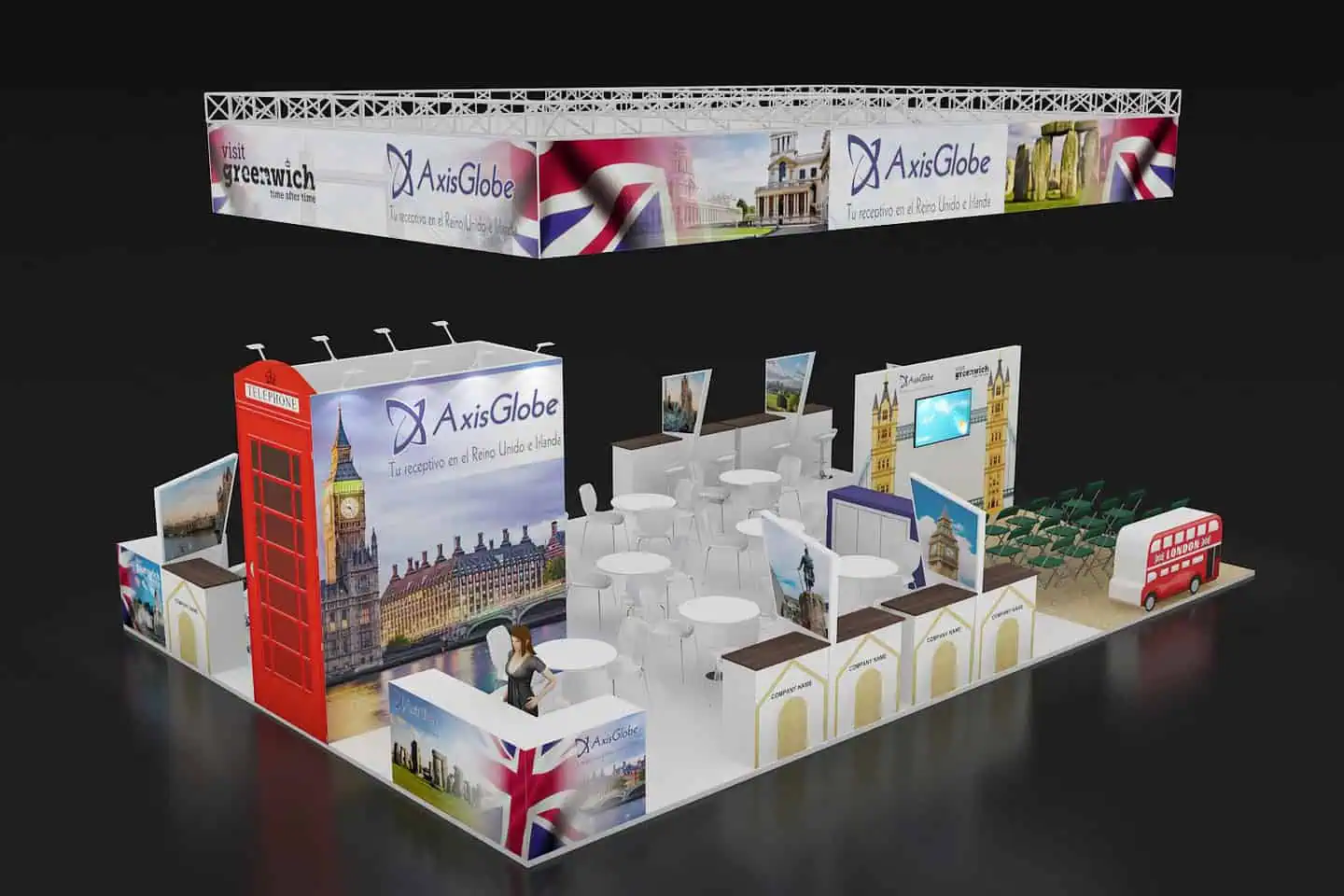 exhibition stand design by IFEMA Madrid exhibition booth builders, showcasing tourism industry trends and attracting visitors with interactive displays and vibrant graphics.” class=”wp-image-4772″ srcset=”https://adamexpostand.com/wp-content/uploads/2024/09/FITUR-exhibition-stand-design-IFEMA-Madrid-exhibition-booth-builders-Tourism-exhibition-stand-contractors.jpg 1440w, https://adamexpostand.com/wp-content/uploads/2024/09/FITUR-exhibition-stand-design-IFEMA-Madrid-exhibition-booth-builders-Tourism-exhibition-stand-contractors-300×200.jpg 300w, https://adamexpostand.com/wp-content/uploads/2024/09/FITUR-exhibition-stand-design-IFEMA-Madrid-exhibition-booth-builders-Tourism-exhibition-stand-contractors-768×512.jpg 768w” sizes=”(max-width: 1440px) 100vw, 1440px” />
Effective Communication Strategies for Exhibitors
So, how can exhibitors effectively communicate with international visitors despite language barriers? Here are some strategies that can help:
- Learn a few key phrases in different languages: While it may not be possible to learn an entire language, learning a few key phrases such as “hello,” “thank you,” and “welcome” can go a long way in making international visitors feel welcome.
- Use visual aids: Visual aids such as pictures, videos, and infographics can help to convey information and facilitate communication.
- Provide multilingual materials: Providing brochures, business cards, and other materials in multiple languages can help to ensure that international visitors have access to the information they need.
- Use translation tools: There are many translation tools available that can help to facilitate communication, including Google Translate and iTranslate.
Tools and Resources for Facilitating Communication
There are many tools and resources available that can help exhibitors to facilitate communication with international visitors. Here are a few examples:
- Translation apps: Translation apps such as Google Translate and iTranslate can help to facilitate communication in real-time.
- Interpreters: Hiring an interpreter can be a good option for exhibitors who need to communicate complex information to international visitors.
- Multilingual staff: Hiring multilingual staff can be a good option for exhibitors who need to communicate with international visitors regularly.
- Language learning platforms: Language learning platforms such as Rosetta Stone and Babbel can help exhibitors to learn new languages and improve their communication skills.
Creating a Welcoming Environment for International Visitors
Creating a welcoming environment for international visitors is essential for building trust and establishing relationships. Here are a few ways that exhibitors can create a welcoming environment:
- Use multilingual signage: Using multilingual signage can help to ensure that international visitors can navigate the exhibition stand easily.
- Provide cultural information: Providing cultural information such as customs and etiquette can help to ensure that international visitors feel welcome and respected.
- Offer refreshments: Offering refreshments such as water and snacks can help to create a welcoming environment and facilitate communication.
- Use music and decor: Using music and decor that is culturally relevant can help to create a welcoming environment and facilitate communication.
Frequently Asked Questions
Here are a few frequently asked questions that exhibitors may have about interacting with international visitors:
- What is the most common language spoken at FITUR Tourism Fair IFEMA Madrid?
The most common language spoken at FITUR Tourism Fair IFEMA Madrid is Spanish, but many visitors also speak English.
- How can I communicate with international visitors if I don’t speak their language?
There are many ways to communicate with international visitors, including using translation tools, hiring an interpreter, and providing multilingual materials.
- What are some common cultural differences that I should be aware of when interacting with international visitors?
Some common cultural differences that exhibitors should be aware of include differences in communication styles, customs, and etiquette.
- How can I ensure that my exhibition stand is accessible to international visitors?
Exhibitors can ensure that their exhibition stand is accessible to international visitors by using multilingual signage, providing cultural information, and offering refreshments.
- What are some common mistakes that exhibitors make when interacting with international visitors?
Some common mistakes that exhibitors make when interacting with international visitors include not providing multilingual materials, not using translation tools, and not being aware of cultural differences.
- How can I build trust with international visitors?
Exhibitors can build trust with international visitors by being respectful, providing accurate information, and following up with them after the exhibition.
- What are some common language barriers that exhibitors may encounter when interacting with international visitors?
Some common language barriers that exhibitors may encounter when interacting with international visitors include differences in vocabulary, grammar, and pronunciation.
- How can I measure the success of my language strategy?
Exhibitors can measure the success of their language strategy by tracking the number of international visitors they attract, the number of leads they generate, and the number of sales they make.
- What are some common tools and resources that exhibitors can use to facilitate communication with international visitors?
Some common tools and resources that exhibitors can use to facilitate communication with international visitors include translation apps, interpreters, and multilingual staff.
- How can I ensure that my staff is prepared to interact with international visitors?
Exhibitors can ensure that their staff is prepared to interact with international visitors by providing them with language training, cultural training, and customer service training.
By following the strategies and tips outlined in this article, exhibitors can effectively communicate with international visitors and create a welcoming environment for them. Remember to learn a few key phrases in different languages, use visual aids, provide multilingual materials, and use translation tools to facilitate communication. Additionally, consider hiring multilingual staff, using language learning platforms, and providing cultural information to create a welcoming environment. With the right tools and resources, exhibitors can break down language barriers and connect with global visitors at FITUR Tourism Fair IFEMA Madrid.