A reusable stand condition report records what came back from an exhibition, its condition, where it is packed and what must be repaired or replaced before the next event. It connects dismantling with the next design brief. A storage inventory tells you what exists; the condition report helps determine whether it is ready to use.
Published 10 October 2026. Practical guidance by Adam Expo Stand.
Reusable stand condition report template
| Field | Record |
|---|---|
| Identity | Asset ID, description, owner, quantity and drawing reference |
| Event | Show, dismantling date and inspection date |
| Evidence | Overall photo, detail photo and description of damage or wear |
| Condition | Ready for review, clean, repair, replace, missing or specialist check |
| Packing | Case or pallet ID, location and any handling instructions |
| Action | Proposed work, responsible person, estimate and decision deadline |
| Close-out | Approval, completed work, updated photo and release status |
Define status terms with the team. “Ready” should mean ready for a specified next use after the necessary checks, not an indefinite guarantee. Put uncertain components on hold until the appropriate specialist has assessed them.
Seven post-show inspection steps
- Reconcile the return. Compare received items with the agreed packing list. Record missing connectors, keys, shelves and accessories as well as large components.
- Identify components before separating them. Use durable labels and reference photos. Keep related hardware together in a clearly identified container.
- Inspect visible surfaces. Record scratches, chipped edges, stains, print damage and fabric wear. Photograph the affected area with enough context to locate it later.
- Record functional concerns. Note doors that no longer close correctly, damaged fixings or equipment faults. Structural and electrical items require appropriate specialist assessment.
- Check graphics for continued relevance. A physically intact panel may carry an old product, expired campaign or unsuitable language. Record content replacement separately from physical repair.
- Agree the packing and storage plan. Confirm protection, case references, access arrangements and who may authorise unpacking or dispatch.
- Close actions before the next production deadline. Obtain approval for repairs, replacements and revised graphics, then update the report after completion.
Why inspect at two stages?
A brief record during dismantling can capture the condition before packing. A second check on receipt reconciles quantities and visible transport or handling issues. Agree responsibility and evidence requirements in advance. Do not delay notifications beyond the timelines in your logistics, storage or insurance arrangements.
Distinguish owned reusable parts from hired equipment and consumable materials. A rental counter or screen must follow its return process. It should not enter your owned-stock register simply because it was used on the same stand.
Use the report in the next-show brief
Start the next design review with the available component list, proposed layout and condition actions. Check dimensions, interfaces, graphics and transport against the next venue and stand plot. A component that worked in one layout may need adaptation or may be unsuitable for another.
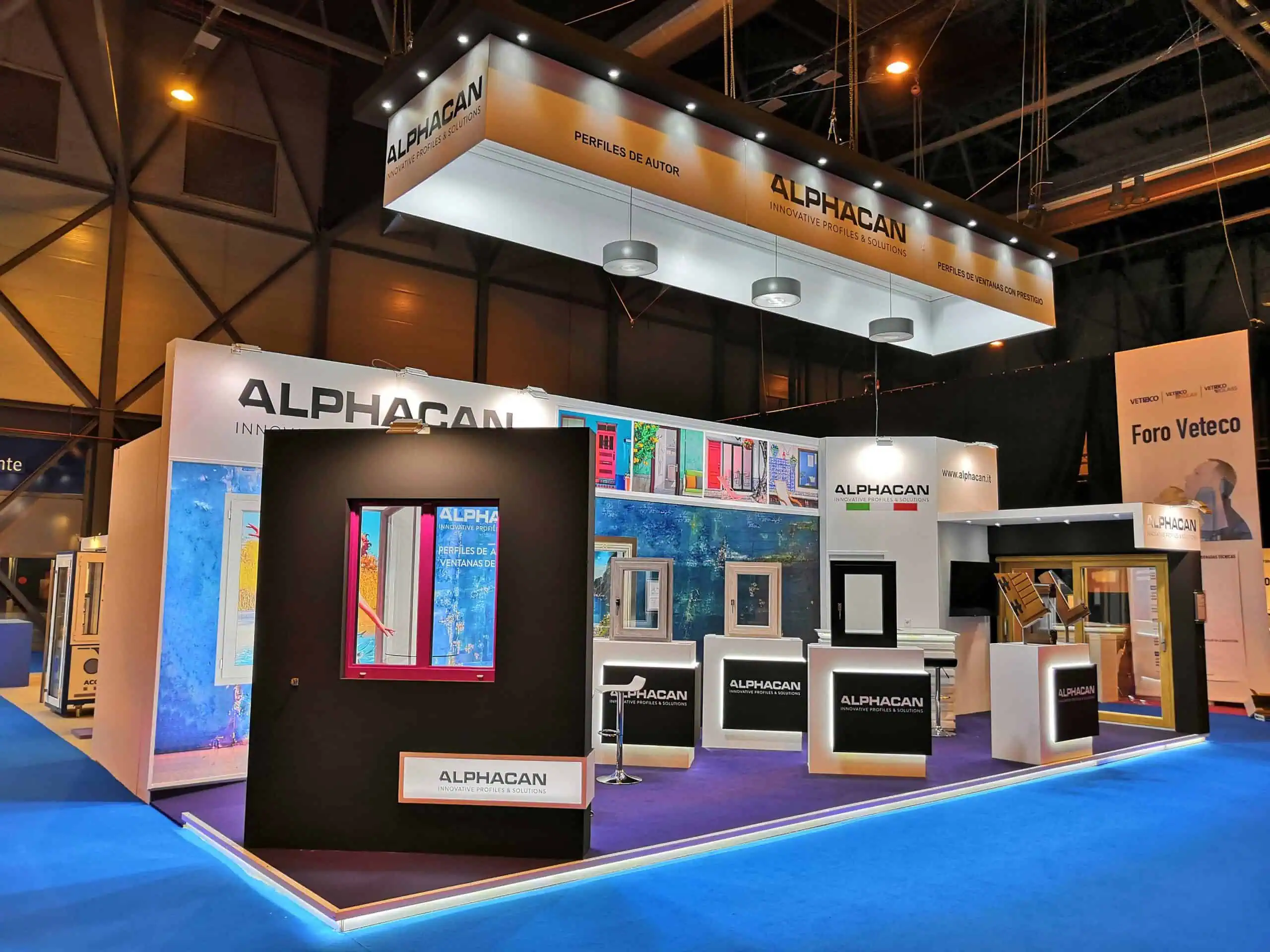
The Alphacan VETECO project illustrates a stand planned around repeated use, storage and reinstallation. Your own programme still needs a component-specific review. Reuse does not by itself establish a fixed lifespan, cost saving or environmental saving.
Condition report questions
Is an inventory enough to prepare for the next exhibition?
No. Quantity and location do not show condition, compatibility or whether graphics remain current. Combine inventory with inspection and the next project’s requirements.
Should damaged components always be discarded?
No. Obtain a suitable assessment and compare repair or replacement against required performance, timing and cost. Keep items out of use when their suitability remains uncertain.
Who should approve repair work?
The asset owner or authorised project representative, with technical acceptance from the appropriate specialist where required. Confirm spending authority in the storage or project agreement.
Plan reuse before dismantling starts
Ask which parts will be retained, who inspects them and what storage includes. Adam Expo Stand can discuss modular stand options and reuse planning within an agreed scope. Send your next event details and available component records for a project review.
Follow our exhibition planning guides
Choose Adam Expo Stand as a preferred source to help you find our exhibition guides and updates on Google.
Add as a preferred source on GoogleGoogle may ask you to sign in and confirm your choice.