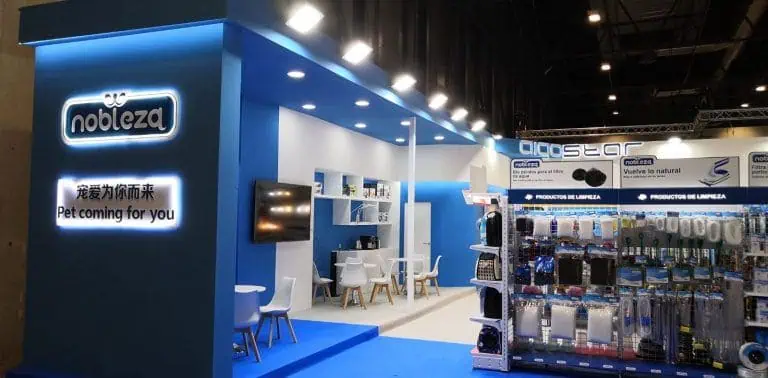
7 Essential Trade Show Budgeting Tips for Event Success
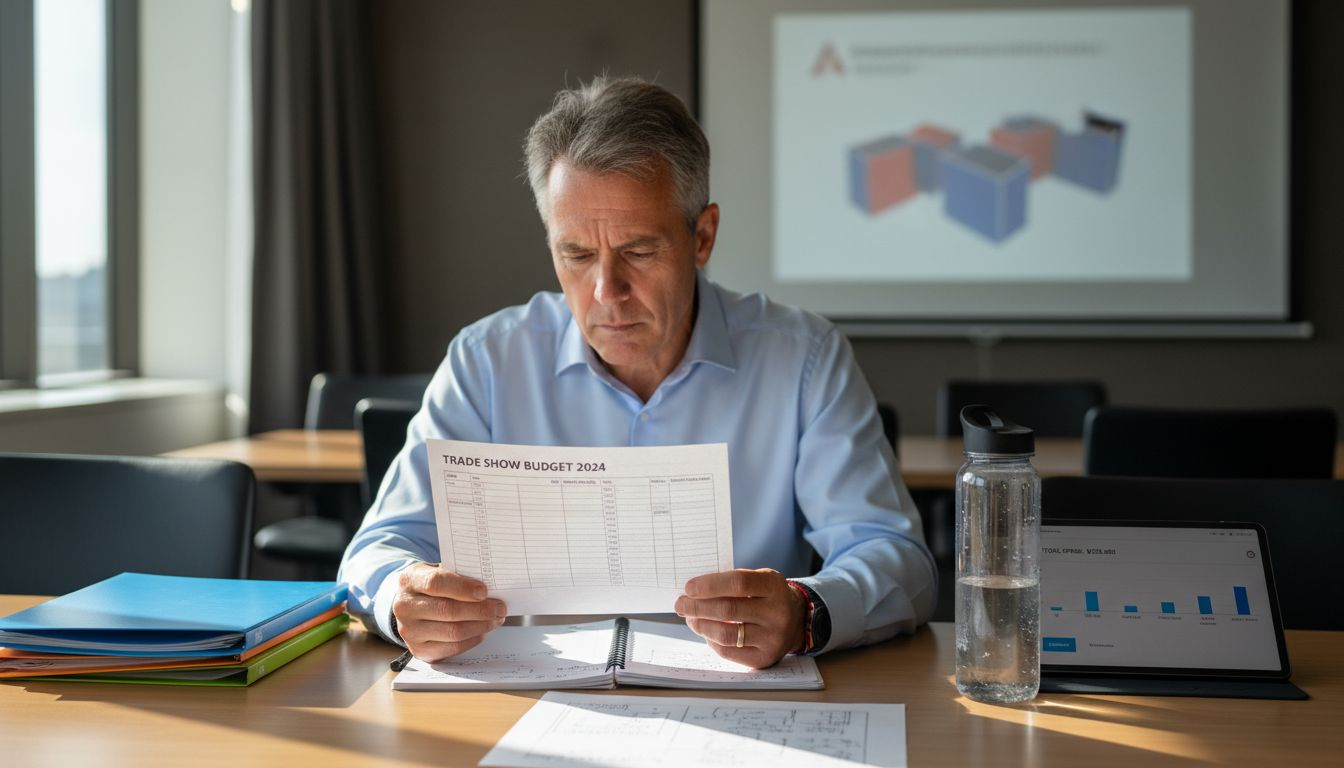
Planning for a trade show can quickly become overwhelming when you’re unsure where to start or how to keep expenses under control. If your goals are vague and your budget is loose, it’s easy for costs to spiral without delivering real business results. The good news is that there are proven methods for setting purpose-driven objectives and managing your budget so every dollar counts.
This list gives you actionable strategies backed by expert research, from breaking down costs with precision to prioritizing spending on what matters most. Get ready to uncover practical steps that help you stay focused, make smart decisions, and get the most out of your next trade show experience.
Table of Contents
- 1. Set Clear Trade Show Goals And Budget Limits
- 2. Break Down Costs For Accurate Budget Planning
- 3. Prioritize Spend On High-Impact Booth Elements
- 4. Use Rental And Modular Stand Solutions
- 5. Plan Early To Secure Cost Savings
- 6. Leverage Digital Tools For Cost Tracking
- 7. Review And Refine Your Budget After Each Event
Quick Summary
| Takeaway | Explanation |
|---|---|
| 1. Set measurable trade show goals. | Define specific, quantifiable objectives to align your trade show activities with overall business strategy. |
| 2. Break down your budget precisely. | Categorize all expenses accurately to avoid unexpected costs and maintain control over financial allocations. |
| 3. Invest in high-impact booth elements. | Focus spending on interactive features that enhance attendee engagement and create lasting brand impressions. |
| 4. Plan early for cost savings. | Initiate planning months in advance to secure better pricing and improve logistical arrangements. |
| 5. Review and refine your budget post-event. | Analyze actual expenses against the budget to identify variances and enhance future trade show planning. |
1. Set Clear Trade Show Goals and Budget Limits
Successful trade show participation begins with crystal-clear objectives and a well-defined financial roadmap. Your trade show strategy must transform abstract business aspirations into concrete, measurable goals that directly align with your company’s broader marketing and sales initiatives.
Establishing precise goals is more than a planning exercise. It’s a strategic decision that determines how every dollar of your trade show budget will be invested. Research from Harvard Business School emphasizes that goals should be specific, relevant, and quantifiable – meaning you cannot simply aim to “network” but must define exact outcomes like “generate 50 qualified sales leads” or “secure three partnership meetings with key industry players.”
When defining your trade show objectives, consider these critical dimensions:
- Revenue Generation: Specific sales targets or pipeline opportunities
- Brand Awareness: Measurable metrics like social media mentions or booth visitor interactions
- Networking: Predetermined number of meaningful professional connections
- Product Showcasing: Demonstrations or presentations planned
Strategic goal setting transforms trade show participation from an expense into a targeted business investment.
Budget limits should be established concurrently with these goals, creating a direct correlation between financial investment and expected outcomes. This means allocating resources proportionally to each objective’s potential impact. For instance, if lead generation is your primary goal, more budget might be directed toward interactive booth design and strategic promotional materials.
Careful financial planning involves breaking down your total budget across key expenditure categories:
- Booth design and construction
- Travel and accommodation for team members
- Marketing collateral and promotional materials
- Technology and presentation equipment
- Staff training and preparation
Pro tip: Allocate a 10-15% contingency fund within your trade show budget to manage unexpected expenses without derailing your financial planning.
2. Break Down Costs for Accurate Budget Planning
Accurate trade show budgeting demands meticulous financial dissection long before you step onto the exhibition floor. Breaking down every potential expense helps prevent unexpected financial surprises and ensures your trade show investment remains strategically aligned with your business objectives.
Comprehensive cost breakdown goes beyond simple arithmetic. It requires a systematic approach that categorizes expenses into predictable and variable components. The U.S. Government Accountability Office recommends creating a detailed work breakdown structure that identifies both direct and indirect costs with precision.
Key cost categories to consider include:
- Booth Design and Construction: Physical space requirements and custom exhibit elements
- Marketing Collateral: Printed materials promotional items and digital assets
- Transportation and Logistics: Shipping booth equipment staff travel and accommodation
- Technology and Equipment: Audiovisual tools interactive displays and technical support
- Personnel Expenses: Staff wages training and per diem allowances
Granular cost tracking transforms financial planning from a guessing game into a strategic management tool.
To create an accurate budget consider implementing these strategic planning steps:
- Research historical trade show expenses for your industry
- Request multiple vendor quotes to establish realistic pricing
- Factor in potential price fluctuations and market variations
- Include a contingency fund for unexpected expenses
- Regularly review and adjust budget allocations
Successful budgeting also involves understanding the nuanced difference between fixed and variable expenses. Fixed costs like booth rental remain constant while variable expenses such as marketing materials can fluctuate based on event requirements.
Pro tip: Create a detailed spreadsheet with color-coded expense categories and set up automated tracking to monitor spending in real-time and quickly identify potential budget overruns.
3. Prioritize Spend on High-Impact Booth Elements
Successful trade show participation hinges on strategic investment in booth elements that maximize attendee engagement and brand visibility. Not all booth components deliver equal value so smart marketers focus their budget on high-impact features that truly drive business objectives.
Prioritizing spend requires a systematic approach that evaluates potential return on investment for each design and interactive element. Innovative booth features can transform a standard display into a compelling brand experience that attracts and converts potential clients.
Key high-impact booth elements to prioritize include:
- Interactive Technology: Touch screens digital displays and immersive presentations
- Strategic Lighting: Dramatic illumination that highlights key products and brand messaging
- Custom Graphic Displays: Professional visuals that communicate brand identity
- Engagement Zones: Areas designed for meaningful conversations and product demonstrations
- Multimedia Presentations: Short compelling videos showcasing company capabilities
Strategic investment in booth design is not an expense but a targeted marketing opportunity.
When evaluating potential investments consider these strategic criteria:
- Potential for direct audience interaction
- Alignment with specific event marketing goals
- Long-term reusability of the booth element
- Ability to differentiate from competitor displays
- Potential for generating qualified leads
The goal is not simply to spend money but to create a memorable brand experience that resonates with your target audience. Each booth element should serve a clear purpose whether that is generating leads showcasing products or building brand awareness.
Pro tip: Allocate approximately 60% of your booth budget to high-impact visual and interactive elements that directly support your primary event objectives.
4. Use Rental and Modular Stand Solutions
Modular stand solutions represent a game-changing approach for businesses seeking flexible and cost-effective trade show exhibit strategies. These innovative solutions eliminate the substantial upfront costs and logistical challenges associated with traditional custom booth construction.
The National Renewable Energy Laboratory highlights that modular construction offers remarkable adaptability for businesses of all sizes. By leveraging rental and modular stand options, companies can create professional-looking exhibits without the significant capital investment of permanent booth ownership.
Key advantages of rental and modular stand solutions include:
- Cost Efficiency: Dramatically reduced upfront and long-term expenses
- Flexibility: Easy customization for different event requirements
- Quick Setup: Minimal on-site assembly time
- Sustainable Design: Reduced waste and resource consumption
- Professional Appearance: High-quality visual presentation
Modular stands transform exhibit planning from a financial burden into a strategic opportunity.
Successful implementation involves several critical considerations:
- Assess your specific event requirements
- Choose adaptable modular components
- Verify compatibility with different venue configurations
- Select designs that reflect your brand identity
- Consider long-term reusability across multiple events
Rental solutions also provide unique opportunities for businesses to experiment with different booth designs and configurations without committing to permanent infrastructure. This approach allows for continuous brand evolution and strategic marketing adaptation.
Pro tip: Request detailed specifications and conduct a comprehensive mock setup before the actual event to ensure seamless integration and professional presentation of your modular stand.
5. Plan Early to Secure Cost Savings
Early planning is the financial cornerstone of successful trade show participation. By initiating your preparation months in advance you can unlock significant cost savings and strategic advantages that transform your event experience.
The Government Accountability Office emphasizes that proactive scheduling creates substantial financial opportunities. Early planning allows businesses to leverage volume discounts negotiate better rates and avoid the premium pricing associated with last-minute arrangements.
Key benefits of early trade show planning include:
- Reduced Vendor Pricing: Access lower rates for booth space and services
- Strategic Resource Allocation: Better budget management and forecasting
- Comprehensive Preparation: Time to refine marketing and presentation strategies
- Negotiation Leverage: Improved contract terms and pricing flexibility
- Stress Reduction: Minimized logistical pressures as the event approaches
Strategic early planning converts potential financial challenges into competitive advantages.
Effective early planning involves a structured approach:
- Identify target trade shows at least 9-12 months in advance
- Create a comprehensive event budget and timeline
- Research and compare vendor pricing early
- Book accommodations and transportation well ahead
- Develop contingency plans for potential changes
By mapping out your trade show strategy months ahead you create opportunities to optimize every aspect of your event participation. This approach transforms event planning from a reactive process to a strategic business initiative.
Pro tip: Develop a centralized digital planning document that tracks all trade show expenses budgets and critical deadlines to maintain comprehensive visibility into your event financial strategy.
6. Leverage Digital Tools for Cost Tracking
In the fast-paced world of trade show management digital tools have become indispensable for maintaining financial discipline and real-time budget control. Modern event planners can transform their budgeting approach by implementing sophisticated digital tracking solutions that provide unprecedented visibility into expenses.
The Organization for Economic Cooperation and Development highlights how digital platforms revolutionize financial management by enabling instant expense monitoring and dynamic budget adjustments. These tools go far beyond simple spreadsheet tracking offering comprehensive insights that empower strategic decision-making.
Key digital tracking features to consider include:
- Real-Time Expense Dashboards: Instant financial overview
- Automated Expense Categorization: Simplify financial reporting
- Mobile Tracking Capabilities: Update expenses on the go
- Predictive Budget Forecasting: Anticipate potential overruns
- Integrated Receipt Management: Eliminate manual documentation
Digital cost tracking transforms financial management from reactive reporting to proactive strategy.
Implementing digital budget tracking involves several strategic steps:
- Select a comprehensive expense management platform
- Train team members on digital tracking protocols
- Integrate corporate credit cards with tracking software
- Establish clear expense categorization guidelines
- Set up automated budget alert notifications
By embracing digital tools businesses can create a transparent financial ecosystem that provides unprecedented control over trade show expenditures. These technologies eliminate guesswork and enable precise financial management throughout the event lifecycle.
Pro tip: Choose a digital tracking tool with robust export capabilities that allows seamless integration with your existing accounting systems to streamline post-event financial reporting.
7. Review and Refine Your Budget After Each Event
Every trade show represents more than a marketing opportunity. It is a valuable learning experience that can dramatically improve your future financial planning and event strategies. Post-event budget review transforms raw expense data into actionable insights for continuous improvement.
The National Institutes of Health emphasizes that systematic budget analysis drives strategic decision-making. By meticulously comparing projected and actual expenses you create a dynamic financial learning cycle that enhances future trade show investments.
Key components of an effective post-event budget review include:
- Expense Variance Analysis: Compare budgeted versus actual spending
- Performance Metric Evaluation: Assess return on investment
- Cost Efficiency Identification: Discover potential savings opportunities
- Unexpected Expense Documentation: Record and understand unanticipated costs
- Strategic Adjustment Planning: Develop refined budget approaches
Continuous budget refinement is the hallmark of financially intelligent event management.
A comprehensive post-event review involves these systematic steps:
- Collect all financial documentation
- Create a detailed expense comparison spreadsheet
- Identify significant budget variances
- Discuss findings with key team members
- Document lessons learned for future events
Successful budget refinement requires a transparent and analytical approach. Each trade show becomes a learning opportunity that incrementally improves your financial strategy and event planning capabilities.
Pro tip: Create a standardized post-event budget review template that ensures consistent analysis across all trade show experiences, enabling systematic knowledge accumulation.
Below is a comprehensive table summarizing the strategies and recommendations for successful trade show planning and execution discussed throughout the article.
| Strategy | Key Actions | Benefits and Outcomes |
|---|---|---|
| Set Clear Goals and Budget | Define measurable objectives and allocate budgets proportionally. | Ensures alignment with business strategies and maximizes investment impact. |
| Break Down Costs | Categorize expenses into predictable and variable components. | Prevents unexpected costs and provides a clear financial overview. |
| Prioritize High-Impact Booth Elements | Focus investments on engaging and visually appealing booth features. | Drives attendee interaction and improves brand awareness. |
| Consider Modular Stand Solutions | Utilize flexible and cost-effective modular booth designs. | Reduces costs, enhances adaptability, and allows reusability for multiple events. |
| Plan Early | Initiate preparations and bookings well in advance. | Secures better pricing, improves resource allocation, and reduces logistical stress. |
| Use Digital Tools for Cost Management | Implement expense tracking platforms with real-time analytics. | Facilitates proactive financial audits and streamlined accounting processes. |
| Conduct Post-Event Budget Review | Analyze variances between projected and actual expenses to refine future budgeting strategies. | Enhances financial planning accuracy and continuously improves event management efficiency. |
Elevate Your Trade Show Budgeting Strategy with Expert Booth Solutions
Struggling to balance your trade show goals with tight budget limits is a common challenge many businesses face. From setting clear objectives and breaking down costs to prioritizing high-impact booth elements, every decision impacts your return on investment. Our comprehensive approach at Adam Expo Stand perfectly complements these essential budgeting tips by offering cost-efficient, customizable and visually striking booth designs tailored to your strategic needs.
Discover how our modular stand solutions and rental options reduce upfront expenses while boosting flexibility and sustainability—helping you maximize value without compromising brand visibility. Ready to transform your trade show presence into a measurable business asset? Visit Adam Expo Stand today and connect with our team to start planning a booth experience that aligns with your budget goals, enhances attendee engagement, and drives lasting impact.
Frequently Asked Questions
How do I set clear goals for my trade show budget?
To set clear goals for your trade show budget, identify specific, measurable objectives such as generating a certain number of leads or securing partnerships. Write down these goals alongside your budget plan to ensure you stay focused on achieving them throughout the planning process.
What are the key components to include in a trade show budget breakdown?
A comprehensive trade show budget breakdown should include categories like booth design, marketing materials, transportation, staff expenses, and technology. Track each component carefully to avoid unexpected costs and stay within your overall budget.
How can I prioritize spending on high-impact booth elements?
To prioritize spending on high-impact booth elements, rank each component based on its potential return on investment regarding engagement and lead generation. Focus around 60% of your booth budget on elements like interactive technology and custom graphics that draw attendees’ attention.
Why is early planning important for trade show budgeting?
Early planning is crucial for trade show budgeting as it allows you to secure better vendor pricing and allocate resources effectively. Aim to finalize your event plan at least 9-12 months in advance to capture discounts and negotiate favorable terms, thus potentially saving anywhere from 10-25% in costs.
How can I use digital tools to track trade show expenses effectively?
Utilize digital tools to track trade show expenses by implementing a comprehensive expense management platform that offers real-time dashboards and automated categorization. Set up tracking early to maintain continuous visibility and ensure you are adhering to your budget throughout the event.
What steps should I take for a post-event budget review?
For a post-event budget review, collect all financial documentation, compare budgeted versus actual spending, and note any variances. Document your findings and lessons learned to inform future budgeting and planning processes for subsequent events.
Recommended
- Success Exhibiting at IFEMA Madrid: The Ultimate Exhibitor Guide
- 7 Event Branding Ideas to Boost Trade Show Engagement
- The Ultimate Guide to Trade Booth Rental Design in Europe | Adam Expo Stand Solutions
- Role of Branding in Trade Shows: Lasting Impact
- Wedding on a Budget Tips for Lasting Elegance – Winelands Function – For Every Occasion, Your Celebration