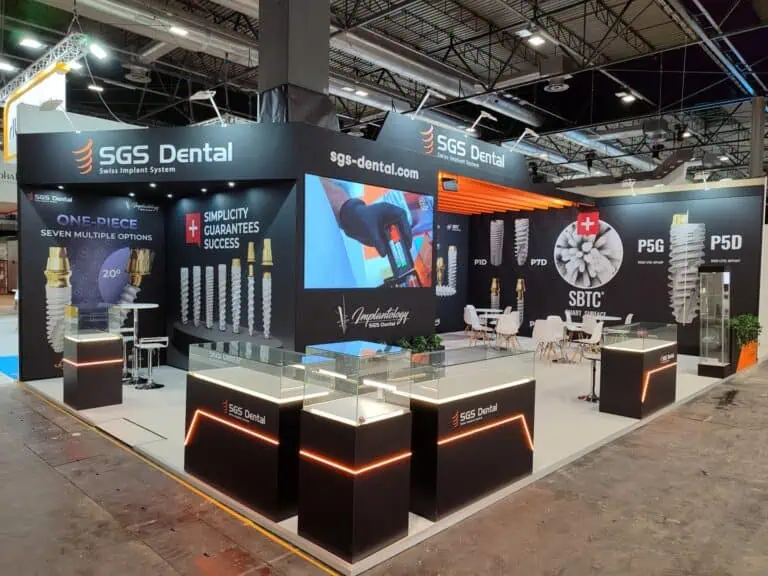
Exhibition stand manufacturing turns an agreed design into the components, graphics and finished elements needed for a trade show. A useful production brief covers dimensions, materials, finishes, equipment, technical review, delivery and installation responsibilities. This guide explains the checks to agree before work begins.
Manufacturing is one part of the wider exhibition stand service scope. Confirm which provider owns design, fabrication, graphic production, transport, specialist services and onsite handover. A visual concept alone does not define everything included in a quotation.
Understanding the Basics
Start with the booked footprint, open sides, event dates and visitor activities. Confirm product dimensions, demonstration needs, storage and meeting requirements so the production team can work from an agreed brief.
What is Exhibition Stand Manufacturing?
Exhibition stand manufacturing involves producing or preparing the specified structural parts, surfaces, graphics and fittings. Some projects use existing system components; others require purpose-made fabrication or a combination of both.
Before releasing work, agree the drawing versions, material schedule, finish samples and responsibilities with the supplier. Discuss the available scope with Adam Expo Stand for your actual event and dates, including any subcontracted or specialist work.
Key Components of a High-Quality Exhibition Stand
Check these elements against the approved project requirements:
- Structure: Confirm the approved dimensions, connections and support requirements with the responsible designer and installer.
- Graphics: Approve artwork versions, finished dimensions, colours and fixing methods before printing.
- Lighting: Agree positions, equipment and service connections with the responsible providers; check visibility and operation at handover.
Record dimensions, finish acceptance and equipment requirements in the brief. Check the current event manual and required technical submissions; for example, Messe Frankfurt’s stand-approval process separates construction documents from fire-protection and safety requests. Use your event’s actual process.
The Process of Exhibition Stand Manufacturing
The production process should have clear approval points. Agree what must be signed off before procurement, fabrication, graphic printing, packing and installation, and identify the owner of each decision.
From Concept to Completion: How Are Exhibition Stands Made?
Use these stages to discuss the supplier’s workflow and acceptance checks:
- Design: Confirm the layout, drawings, materials, finish samples and required technical review before production release.
- Fabrication: Prepare the specified parts and finishes from the approved drawings; record changes through the named project owner.
- Pre-assembly: Agree whether a full or partial trial build is included. Identify the connections, graphics or equipment to test and how results will be documented.
- Installation: Confirm packing references, inventory, delivery access and the responsible crew. Install using approved drawings and system instructions, then complete handover checks.
What Materials Are Used in Sustainable Exhibition Stand Manufacturing?
Assess material and reuse choices from project evidence. A material name alone does not establish lower environmental impact. Consider sourcing, required finishes, useful life, packing, transport, repair and the actual recovery route.
Ask for material evidence relevant to the proposed specification:
- Aluminium: Request evidence for any recycled-content claim and confirm the alloy, finish, intended reuse and recovery route.
- FSC-labelled wood: Check the specific label and supplier documentation. FSC distinguishes 100%, Mix and Recycled labels; they describe different material sources and should not be treated as identical claims.
- Fabric graphics: Confirm composition, printing, fixing, care and reuse options. Check whether a suitable recovery route is available for the actual material and finish.
Record which components will be retained, who owns them, where they will be stored and how damage will be repaired. Our reuse and material-evidence guide provides further planning questions.
Choosing the Right Exhibition Stand
Choose the stand design from the activities it must support. Review product access, demonstrations, conversations and storage alongside the visible finishes. Compare suppliers using the same brief.
How to Select the Best Stand for Your Brand?
Identify the visitor you want to meet and the information or demonstration you want to provide. Confirm product sizes, access needs and equipment before agreeing the layout.
Use this checklist to prepare the brief:
- Goal: Define products, demonstrations, meetings and the next action you want to support.
- Space: Check the allocated footprint, open sides, service positions and event restrictions.
- Budget: Compare the same design, delivery scope and venue charges across proposals.
What Are the Benefits of Custom vs. Rental Exhibition Stands?
Custom describes how a stand is designed or fabricated; rental describes the ownership arrangement. A rented stand can contain purpose-made elements. Compare construction method and ownership separately.
- Custom construction: Can accommodate a specific design brief. Reuse depends on component design, condition, storage and future footprints; confirm those details.
- Rental: Confirm hire scope, bespoke graphics, installation, return and damage charges. Rental is not automatically cheaper or faster than an owned option.
Ask who retains the structure, graphics and equipment after the show. Review the supplier proposal comparison guide for questions about scope, changes and reuse.
Innovations in Exhibition Stand Manufacturing
Choose technology and production methods for a specific purpose. The display workflow guide explains how to coordinate artwork, equipment tests and handover with the physical build.
How Technology is Transforming Exhibition Stands
For digital equipment, confirm dimensions, mounts, service connections, content, operator support and access for maintenance. Check these requirements before making the supporting structure.
Consider the following features only where they suit your demonstration and staffing plan:
- Augmented reality: Confirm the product information, device requirements, operating space and staff support needed for the proposed demonstration.
- Interactive screens: Test instructions, content and visitor flow. Provide staff support and a fallback presentation.
- LED video walls: Confirm mounting, service loads, content format and venue requirements with the responsible specialists.
Test the equipment and content before dispatch where practical, and again at handover. Agree a fallback presentation and a named person for faults. A digital activity does not guarantee qualified conversations or sales.
The Rise of Eco-Friendly and Sustainable Stands
Reuse planning involves the design and the return arrangements. Agree what can be dismantled without damage, what needs replacing and how retained parts will reach the next event.
Check these decisions before fabrication:
- Modular systems: Identify retained components, supported future layouts and replacement parts. Check the system guide for compatibility and ownership questions.
- Materials: Assess documented sourcing, durability, repair and recovery options for the actual finish; avoid assuming every alternative material is easily recyclable.
- Lighting: Compare the proposed equipment, power requirements and operating plan, and record who supplies and connects it.
Document the reuse and recovery arrangements, and keep environmental claims within the evidence available for the project. Neither modular construction nor an alternative material guarantees zero waste.
FAQs
How Long Does It Take to Manufacture an Exhibition Stand?
There is no universal manufacturing lead time. Ask the supplier for a schedule based on the approved design, material availability, production capacity, graphic deadlines, transport and event access.
Work backwards from the handover date and event deadlines. Confirm time for technical review, design changes, artwork approval and procurement. Use the assembly planning guide to identify installation and delivery responsibilities.
- Design phase: Agree dates for the brief, drawings, samples, technical review and artwork approval with the responsible suppliers.
- Production phase: Confirm procurement, fabrication, checks, packing and dispatch dates after the scope and capacity are agreed.
Confirm availability and feasibility before committing to a late request. Agree what can be delivered, any additional charges and which features need simplification. Do not assume rush production is always available.
What Are the Costs Involved in Exhibition Stand Manufacturing?
Costs depend on the agreed scope and delivery conditions. Request an itemised quotation covering design, fabrication or system hire, graphics, equipment, packing, transport, installation, dismantling and storage where applicable.
Compare the following cost drivers alongside venue services and other exclusions:
- Size and layout: Confirm dimensions, open sides, wall heights and required activities.
- Materials and finishes: Specify surfaces, graphics, fixtures and acceptance samples so quotations cover the same quality.
- Equipment and services: Itemise audiovisual equipment, lighting, specialist work, venue orders and the installation or removal scope.
Use our stand budget guide to compare proposals on the same scope. Confirm currency, tax treatment, revisions, additional services and change charges in writing.
Conclusion
Before releasing production, confirm the drawings, material and finish specification, artwork, technical requirements and supplier responsibilities. Record dispatch checks, onsite handover and the return plan. The turnkey buyer’s guide helps review inclusions and exclusions.
Follow our exhibition planning guides
Choose Adam Expo Stand as a preferred source to help you find our exhibition guides and updates on Google.
Add as a preferred source on GoogleGoogle may ask you to sign in and confirm your choice.