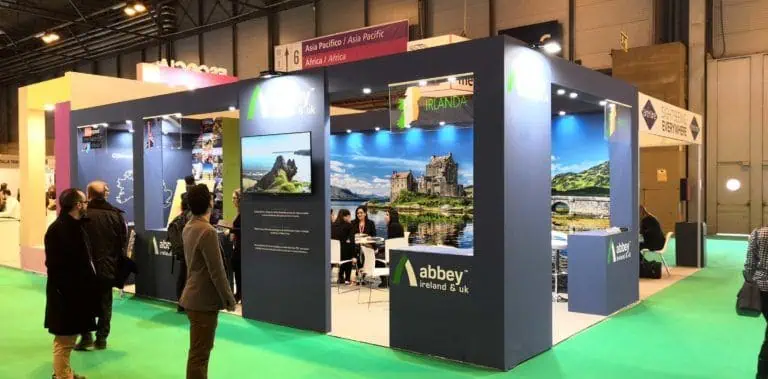
Booth fabrication turns an agreed design into physical components for an exhibition stand. It can involve manufactured parts, adapted reusable systems, graphics, finishes and equipment integration. The appropriate methods depend on the intended use, technical requirements, transport and event conditions.
For an exhibitor, the useful questions are what will be made, to which specification, by whom, and how the result will be checked. Agree those answers before authorising production. This guide explains the documents and responsibilities that connect a concept to delivery.
Define the inputs to booth fabrication
Give the project team the confirmed plot plan, open sides, current event documents and product information. Include dimensions, weight, operating conditions and service requirements for equipment. Describe demonstrations, conversations, meetings and storage needs.
Provide approved brand files and identify unresolved decisions. Agree who approves design, graphics, expenditure and technical submissions. The AUMA briefing guidance helps frame objectives, resources and responsibilities.
Confirm whether the offer covers design, technical preparation, manufacture, installation and dismantling, or only selected tasks. A production supplier and a lead contractor may have different scopes. Name the party responsible for coordinating the interfaces.
Separate the visual concept from production information
A render helps communicate appearance. Production needs dimensions, material specifications, connection details, graphics files and the technical information appropriate to the project. Ask the responsible professionals what drawings, calculations and approvals are required.
Record the current version and approval date for each document. Agree what can start before final approval and what must wait. When a change is requested, document its effect on cost, programme, materials and other work before authorising it.
A digital model or a small prototype may help resolve selected questions. It does not replace professional structural assessment, electrical checks or the organiser’s acceptance process.
Choose methods against the actual requirements
Fabrication can combine different structural systems, sheet materials, joinery, metalwork, printing and finishing methods. A custom design may use reusable components; a modular system may need bespoke infill or graphics. Avoid reducing all construction to one supposedly superior method.
Ask why the proposed approach suits the loads, geometry, finish, assembly process and event programme. Compare maintenance, repair, replacement and transport needs. A lighter part or faster workshop process does not alone establish lower total cost or environmental impact.
Use samples or agreed references for colours, textures and joints where appearance matters. Specify acceptable variation and the inspection process. A rendering cannot guarantee the finish of an unspecified material.
Agree a production and quality plan
| Stage | Record to agree | Question for the exhibitor |
|---|---|---|
| Design release | Approved drawings, graphics and open issues | Is the team using the correct version? |
| Materials | Specification, quantities and required supporting documents | What substitution needs approval? |
| Production | Checkpoints and evidence relevant to the work | Who reports progress and resolves discrepancies? |
| Preparation | Component inventory, packing and agreed tests | What is ready for transport and what remains pending? |
| Installation | Approved configuration and assigned technical responsibilities | Who checks the work and records issues? |
| Handover | Acceptance record and outstanding actions | Who accepts the operational result? |
Match checks to the project. Samples, test prints, connection checks or assembly of selected components can address particular risks. Agree the purpose and limits of any prototype or premontage instead of assuming every project needs a complete rehearsal build.
Check event and venue requirements
Use the current event manual and applicable venue documents. References include IFEMA regulations and Fira participation regulations. Requirements depend on the venue, event and proposed structure or activity.
Assign responsibility for preparing and submitting technical information, answering questions and confirming acceptance. Review permitted heights, materials, installations, services and access with the relevant teams. Previous use of a system does not establish approval of a new configuration.
Build the schedule from dependencies
Work back from the approved installation and handover windows. Identify design release, material availability, production, checks, packing, transport and access arrangements. Record the owner and latest workable date for each dependency.
Ask the supplier to explain capacity and assumptions for your project. Bespoke and modular work do not have universal delivery times. Changes to graphics, equipment or approvals can affect several stages, even when the physical parts are already available.
Compare full costs and future use
Compare offers against the same drawings and scope. Identify design, technical services, material, fabrication, graphics, equipment, packaging, transport, handling, installation, dismantling and organiser charges as applicable. Make exclusions, provisions and change pricing explicit.
For repeated use, define ownership and the retained inventory. Check how components can be disassembled, packed, inspected, repaired, stored and adapted to confirmed future plots. Obtain evidence for material claims and planned recovery routes; recyclable in principle does not mean collected and recycled after this event.
Verify delivery and document the next use
At handover, review the approved layout, graphics, finishes, furniture and equipment with their responsible teams. Separate operational acceptance by the exhibitor from technical approvals that belong to qualified professionals or the organiser. Record defects and agreed resolution.
Plan dismantling before opening. Confirm authorised work windows, component destinations, waste arrangements, return inventory and condition records. Retain current drawings and repair information where they are needed for the next configuration.
Frequently asked questions
Does every fabricated booth need entirely new components?
No. A design may combine existing systems and newly manufactured elements. The specification should identify what is supplied and how it meets the brief.
Does a render provide enough information to start production?
Ask the responsible team which drawings, specifications, approvals and release decisions are required. A visual concept alone does not resolve every production or technical detail.
What should I send to discuss fabrication?
Share the confirmed plot, event, design status, product requirements and dates. Request a defined scope, production plan, evidence checkpoints and complete quotation.
Follow our exhibition planning guides
Choose Adam Expo Stand as a preferred source to help you find our exhibition guides and updates on Google.
Add as a preferred source on GoogleGoogle may ask you to sign in and confirm your choice.