What is a shell scheme stand? A complete 2026 guide
Many marketing professionals assume shell scheme stands are basic, uninspiring booths that limit brand expression at trade shows. This misconception costs companies valuable opportunities to create memorable first impressions without breaking budgets. Shell scheme stands actually offer flexible, cost-effective solutions for exhibitors seeking professional presence with strategic customization potential. Understanding their components, benefits, and optimization techniques transforms these modular systems into powerful brand visibility tools. This guide explains exactly what shell scheme stands are, how they compare to alternatives, and practical strategies to maximize their impact at European trade shows in 2026.
Table of Contents
- What Is A Shell Scheme Stand?
- Shell Scheme Stands Versus Other Exhibition Stand Types
- How To Maximize Brand Visibility With A Shell Scheme Stand
- Common Pitfalls And How To Avoid Them
- Discover Quality Shell Scheme Stands And Event Services
- FAQ
Key takeaways
| Point | Details |
|---|---|
| Definition and structure | Shell scheme stands are modular, pre-constructed exhibition booths with standardized frames, wall panels, and basic amenities provided by event organizers. |
| Cost advantage | These stands offer significantly lower costs and faster setup compared to custom builds, making them ideal for budget-conscious exhibitors. |
| Customization potential | Despite standardized structures, strategic use of graphics, lighting, furniture, and accessories enables strong brand differentiation. |
| Comparison with alternatives | Shell schemes balance affordability and convenience but provide less design flexibility than modular or fully custom exhibition stands. |
| Success factors | Effective shell scheme stands require high-quality graphics, strategic lighting, thoughtful space planning, and attention to visitor flow. |
What is a shell scheme stand?
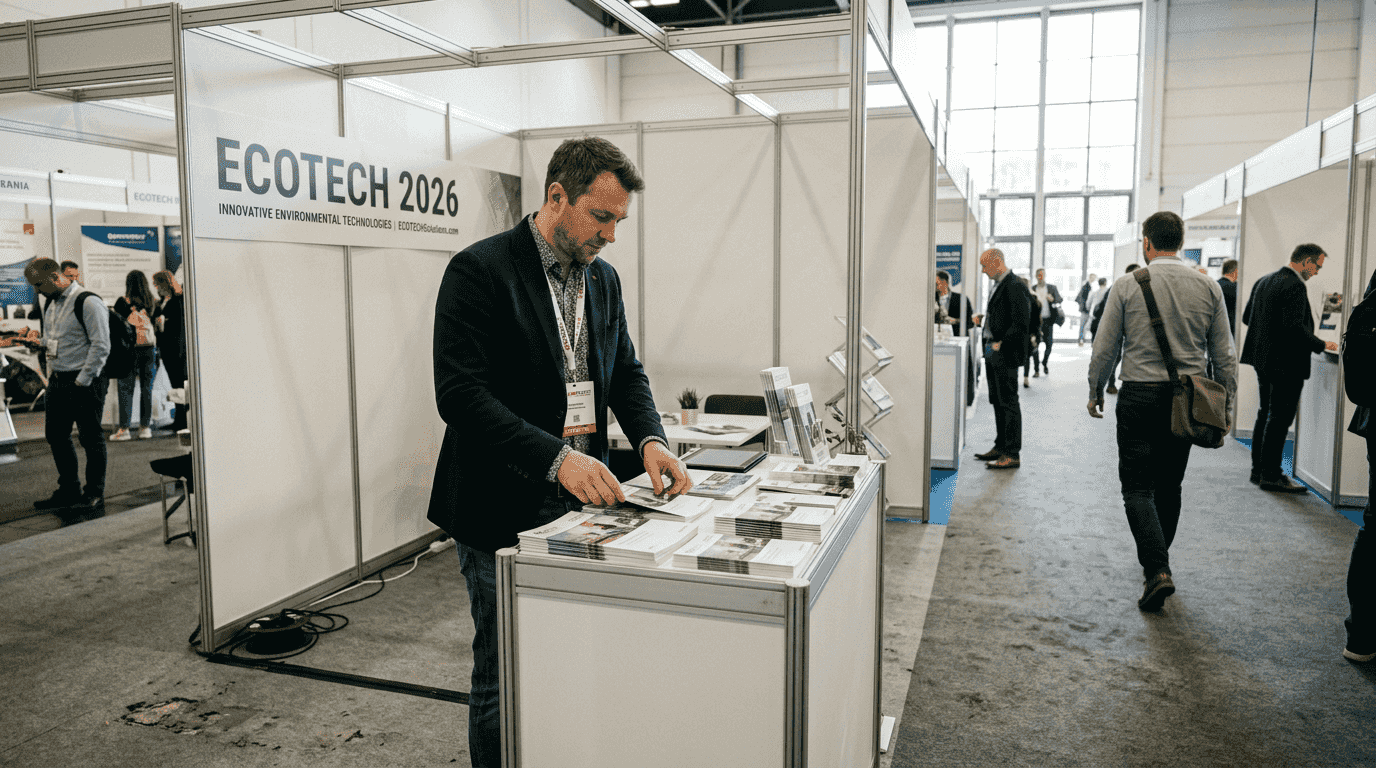
A shell scheme stand represents the most common exhibition booth format at European trade shows and conferences. Shell scheme stands consist of modular panel systems provided by event organizers with standardized frames and panels that create individual exhibitor spaces within larger exhibition halls. Event organizers supply the basic infrastructure, allowing exhibitors to focus on branding and content rather than structural construction.
The typical shell scheme includes several standard components. A metal or aluminum frame forms the skeleton, usually painted white or silver. Wall panels attach to this frame, creating boundaries between adjacent exhibitors. These panels traditionally come in white, though some venues offer color options. A fascia board runs along the top front edge, displaying your company name and booth number. Most packages include basic lighting fixtures, typically spotlights mounted on the frame. Carpet or flooring covers the designated booth area, and electrical outlets provide power for displays and devices.
Standard shell scheme stand basics configurations come in various sizes:
- 3m x 2m (approximately 6 square meters) for smaller exhibitors
- 3m x 3m (9 square meters) as the most popular entry-level option
- 4m x 3m or 6m x 3m for mid-range presence
- Larger configurations combining multiple standard units
Event organizers handle installation before the show opens and dismantle structures after closing. This turnkey approach particularly benefits first-time exhibitors, international companies without local resources, or businesses participating in multiple shows annually. You simply arrive, add your branding elements, and start engaging visitors. The standardized nature ensures predictable costs and eliminates concerns about structural permits or safety compliance, as organizers manage these requirements.
Shell scheme stands versus other exhibition stand types
Understanding how shell schemes compare to alternatives helps you make informed decisions for specific events and objectives. Shell scheme stands are cost-effective and quick to set up compared to custom stands but offer less design flexibility. Each stand type serves different strategic purposes and budget considerations.
| Stand Type | Setup Time | Cost Range | Design Flexibility | Best For |
|---|---|---|---|---|
| Shell Scheme | Minimal (organizer handles) | Low | Limited to graphics and accessories | First-time exhibitors, budget-conscious brands, multiple annual shows |
| Modular | 1-2 days | Medium | Moderate with reusable components | Growing companies, regional campaigns, consistent branding |
| Custom | 3-5 days | High | Complete creative freedom | Flagship events, product launches, major brand statements |
Custom exhibition stands offer unlimited design possibilities. Architects and designers create unique structures reflecting your exact brand vision. These builds incorporate complex shapes, multi-level platforms, private meeting rooms, and integrated technology. However, custom stands require substantial budgets, longer lead times, and dedicated project management. They make sense for major industry events where your brand needs to dominate the exhibition floor.
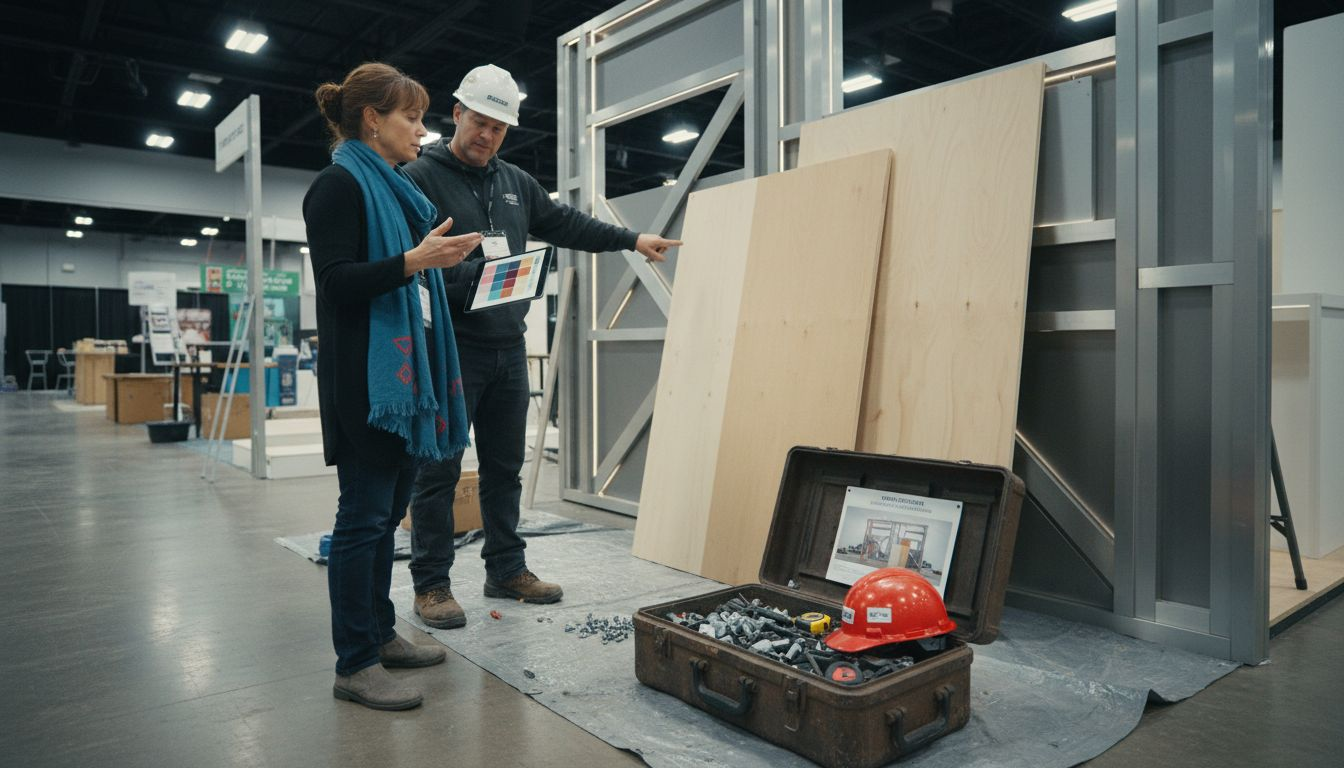
Modular vs custom stands present a middle ground. Modular systems use pre-manufactured components that connect in various configurations. You can reconfigure and reuse these elements across multiple events, spreading costs over time. modular stands provide more design freedom than shell schemes while maintaining reasonable budgets and setup efficiency.
A common misconception suggests shell schemes look identical and unprofessional. Reality proves otherwise. Strategic exhibitors transform standard shells into eye-catching brand experiences through thoughtful customization. The key lies in understanding the canvas you’re working with and applying creative solutions within structural constraints.
Pro Tip: Request your shell scheme specifications from organizers at least eight weeks before the event. Knowing exact panel dimensions, lighting positions, and power outlet locations enables precise graphic design and prevents costly last-minute adjustments.
Consider types of exhibition stands based on your participation frequency. Companies attending six or more shows annually often benefit from investing in modular systems. Those testing new markets or attending one or two events per year find shell schemes more economical. Your choice should align with broader marketing strategies, not just individual event budgets.
How to maximize brand visibility with a shell scheme stand
Transforming a basic shell scheme into a memorable brand experience requires strategic planning and execution. Proper use of graphics, lighting, and additional accessories can significantly enhance the impact of a shell scheme stand. The following approaches help marketing professionals overcome structural limitations.
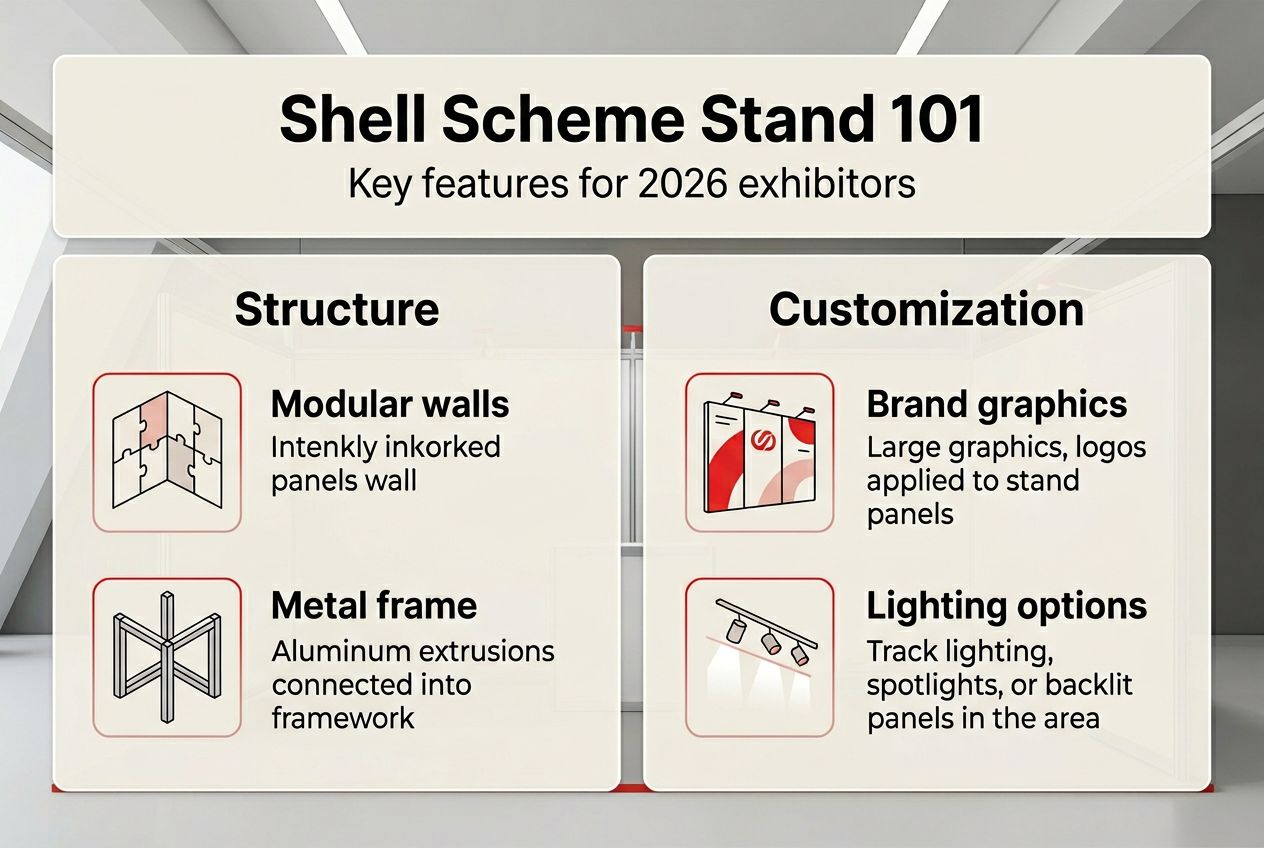
Graphics form your primary branding tool. High-resolution images and bold typography command attention in crowded exhibition halls. Print graphics at minimum 150 DPI resolution to ensure crisp appearance when viewed up close. Use your brand colors consistently across all panels, creating cohesive visual identity. Consider fabric graphics rather than vinyl posters, as fabric eliminates glare under exhibition lighting and appears more premium. Magnetic or Velcro attachment systems allow quick graphic changes between events or even during multi-day shows.
Lighting dramatically affects booth perception. Standard shell scheme lights often prove insufficient for optimal visibility. Supplement organizer-provided fixtures with portable LED spotlights highlighting key products or messages. Position lights to eliminate shadows on faces during conversations, creating welcoming atmosphere. Backlit graphics add depth and draw eyes from across the hall. RGB LED strips behind panels create ambient glow that distinguishes your space from neighbors. Battery-powered options eliminate cable clutter and provide placement flexibility.
Furniture selection impacts both aesthetics and functionality. Choose pieces that complement your brand personality while serving practical purposes. A reception counter establishes professional greeting area and provides storage for materials. Comfortable seating encourages longer conversations and demonstrates visitor respect. Display shelves showcase products at optimal viewing heights. Ensure furniture scale suits your booth size; oversized pieces overwhelm small spaces while undersized items appear cheap.
Technology integration engages modern audiences. Tablets or touchscreens enable interactive product demonstrations and data capture. Large monitors display dynamic content, from product videos to live social media feeds. Charging stations attract visitors and extend dwell time. QR codes on graphics facilitate easy information sharing and post-event follow-up. Ensure reliable WiFi connectivity or bring mobile hotspots to prevent technical embarrassments.
Follow this sequence when preparing your shell scheme stand tips:
- Obtain exact booth specifications from organizers including dimensions, lighting positions, and power locations
- Design graphics with bleed areas extending beyond panel edges to ensure complete coverage
- Select furniture and displays that fit comfortably with adequate circulation space
- Plan lighting to eliminate dark corners and highlight priority elements
- Create clear sight lines from main aisles to draw visitors inward
- Test all technology in advance and bring backup power sources
- Prepare staff on booth layout and visitor engagement protocols
- Arrive early for setup to address unexpected issues calmly
Pro Tip: Create a “hero moment” within your shell scheme by dedicating one wall panel to a single powerful image or message rather than cluttering all surfaces with information. This focal point attracts attention and provides conversation starters.
Flooring choices enhance perceived quality. If organizers provide basic carpet, consider adding branded carpet tiles or interlocking floor systems in your colors. Raised flooring creates subtle elevation that psychologically positions your brand above competitors. Ensure any additions comply with venue regulations regarding height and fire safety.
Common pitfalls and how to avoid them
Even experienced marketers make preventable mistakes that diminish shell scheme effectiveness. Neglecting booth lighting and poor graphic resolution commonly reduce the effectiveness of shell scheme stands. Recognizing these errors helps you deliver superior trade show performance.
Overcrowding represents the most frequent mistake. Small booth spaces tempt exhibitors to maximize every centimeter with products, banners, and furniture. This approach creates claustrophobic environments that repel rather than attract visitors. Attendees need physical and visual breathing room to feel comfortable entering your space. Apply the two-thirds rule: leave at least one-third of your floor space open for circulation and conversations. Remove anything that doesn’t directly support your primary show objectives.
Lighting failures extend beyond insufficient brightness. Harsh overhead lights create unflattering shadows on faces, making interactions feel interrogative rather than welcoming. Glare on screens renders digital content invisible. Uneven lighting draws attention to empty corners rather than featured products. Address these issues by layering different light types: ambient lighting for overall visibility, task lighting for specific activities, and accent lighting for visual interest. Test lighting during setup while exhibition hall lights are on, as conditions differ dramatically from empty hall setup periods.
Graphic quality issues plague many shell scheme exhibitors:
- Low resolution images appear pixelated and unprofessional when printed large
- Inconsistent brand colors confuse visitors and weaken identity
- Excessive text overwhelms viewers who scan rather than read
- Poor contrast between text and backgrounds reduces legibility from distance
- Outdated imagery or messaging suggests stagnant company
Address these problems by working with professional exhibition graphic designers who understand large-format printing requirements. Invest in photography specifically for trade show use rather than repurposing website images. Limit text to headlines and key phrases, using conversations and handouts for detailed information.
Visitor flow planning often gets ignored until setup day. Poorly positioned furniture creates bottlenecks or dead ends. Reception counters placed at booth fronts form psychological barriers preventing entry. Products displayed too high or low miss optimal sight lines. Map your booth layout in advance, considering how visitors naturally move through spaces. Create clear entry points from main aisles and obvious paths to featured elements. Position staff to welcome rather than block approaching attendees.
Post-event care affects future performance. Graphics stored improperly arrive wrinkled or damaged at the next show. Technology left uncharged fails during critical moments. Missing components discovered only during setup cause panic and extra costs. Develop systematic packing procedures immediately after each event. Photograph your booth from multiple angles while fully set up, creating reference for future installations. Maintain detailed inventory lists and check items against these lists during pack down. Clean and inspect all components, addressing wear before it becomes failure.
Follow shell scheme stand advice regarding weight limits and attachment methods. Organizers specify maximum weights for hanging elements and approved fastening systems. Exceeding these limits risks structural damage, safety violations, and financial penalties. Magnetic systems work well for metal frames, while Velcro suits fabric panels. Avoid adhesives that damage surfaces or leave residue.
Discover quality shell scheme stands and event services
Successful trade show participation requires more than understanding shell scheme fundamentals. You need reliable partners who transform knowledge into tangible results. Adam Expo Stand brings specialized expertise in shell scheme optimization and comprehensive exhibition services across European markets. Our team understands the unique challenges marketing professionals face when maximizing impact within standardized booth structures. We provide turnkey solutions from initial concept through on-site installation and post-event breakdown. Whether you’re preparing for your first trade show or refining strategies for upcoming 2026 events, our event stand solutions deliver the support and innovation your brand deserves. Connect with us to explore how strategic shell scheme design elevates your exhibition presence and drives measurable business outcomes.
FAQ
What is the difference between a shell scheme and a custom exhibition stand?
Shell scheme stands use pre-built, standardized structures provided by event organizers, featuring modular panels and basic amenities. Custom exhibition stands are designed and constructed specifically for your unique requirements, offering complete creative freedom in shape, materials, and features. Shell schemes deliver lower costs and faster setup but provide less design flexibility than custom builds. Custom stands require substantially higher budgets, longer lead times, and dedicated project management but create distinctive brand statements.
Can I personalize a shell scheme stand to reflect my brand identity?
Yes, extensive personalization is possible through high-quality graphics, strategic lighting additions, branded furniture, technology integration, and carefully selected accessories. You can apply your brand colors, imagery, and messaging across all visible surfaces while maintaining the underlying standardized structure. Customization options vary based on venue regulations and organizer guidelines, so review specific requirements early in your planning process. Many successful exhibitors create memorable brand experiences within shell scheme constraints through creative application of these elements.
What are the typical costs associated with renting a shell scheme stand?
Costs depend primarily on booth size, included amenities, event location, and show prestige. Entry-level shell schemes at regional events may start around €800 for a 9 square meter space, while premium locations at major international shows can exceed €3,000 for similar dimensions. These base costs typically include the structure, basic lighting, carpet, and fascia board. Additional expenses arise from upgraded graphics, supplementary lighting, furniture rental, technology, and staffing. Shell schemes remain significantly more affordable than custom stands, which often start at €10,000 and escalate quickly with complexity.
How can I make a small shell scheme stand feel more inviting?
Strategic lighting creates warmth and eliminates harsh shadows that make spaces feel cramped. Open layouts with minimal furniture prevent physical barriers and encourage visitor entry. Clear, welcoming signage with friendly messaging reduces psychological barriers to engagement. Comfortable seating positioned to facilitate conversation rather than block pathways extends dwell time. Incorporate height variation through displays and graphics to create visual interest without consuming floor space. Staff positioning matters too; team members should greet from slightly inside the booth rather than standing at thresholds, naturally drawing visitors inward.
Recommended
- Advices to choose shell scheme stand, poster panels and furniture for fairs and congresses in Spain
- Modular Booth System Explained: Complete Trade Show Guide
- Exhibition Stand Trends 2026: The Complete Guide for European Exhibitors | Adam Expo Stand Solutions
- Step-by-Step Guide to Modular Booth Setup Success Madrid