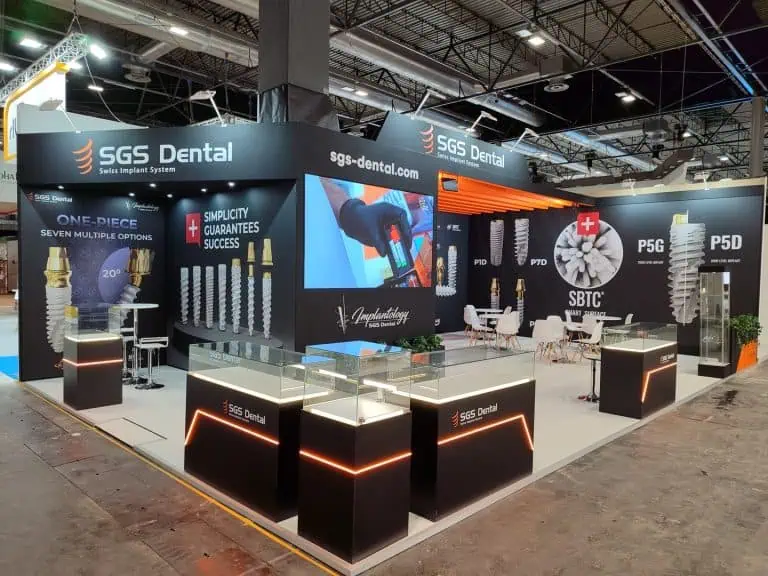
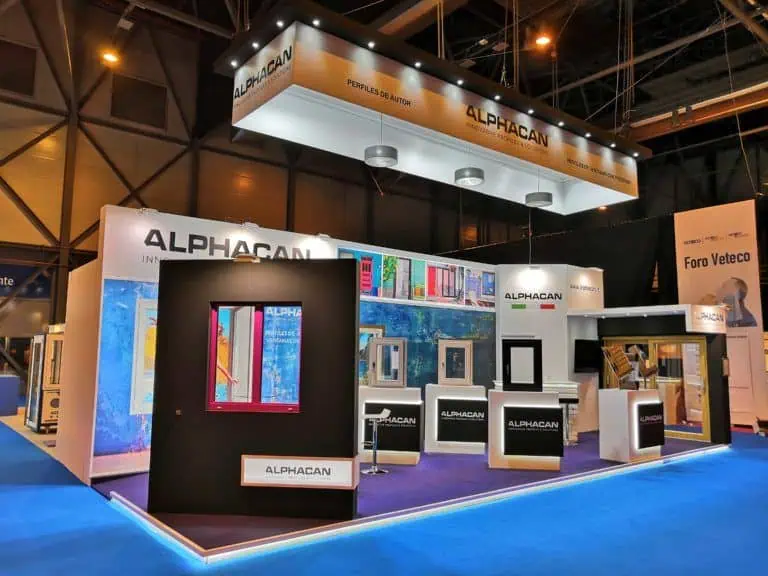
If you have ever landed on a show site and realized the rigging window changed, the freight desk is backed up, and your graphics are still in customs, you already know the truth: the booth is not “done” when the design is approved. The real make-or-break happens on the floor, in a narrow build window, under venue rules, with dozens of moving pieces.
That is what on site booth build and dismantle really is – a controlled, time-boxed operation where planning meets execution. For marketing and event leads, understanding how it works helps you protect deadlines, budget, brand quality, and your team’s sanity.
What “on site booth build and dismantle” actually includes
On-site build-up is more than assembling walls. It is the full process of receiving freight, verifying components, constructing the structure, installing graphics and lighting, connecting power and AV, and preparing the booth for the organizer’s inspection. Dismantle is the reverse under pressure: de-install, pack correctly, label, return to freight, and clear the space within the official move-out window.
In practice, it also includes the details exhibitors feel immediately if they are mishandled: missing hardware, last-minute reprints, scratch protection, cable management that keeps your stand looking premium, and the ability to fix surprises without escalating costs.
Why build and dismantle is where most trade show risk lives
Design quality is visible, but execution quality is measurable. Your risk concentrates on-site because you are operating with hard constraints.
First, time is not flexible. Venues issue specific access slots for unloading, build, and move-out. If your team misses a dock appointment or arrives without the right paperwork, you do not just lose time – you lose options.
Second, labor and safety rules vary widely across Europe. Some halls require certified electricians for every connection. Others enforce specific working hours, PPE rules, or mandatory equipment. If you are exhibiting outside your home country, these differences can surprise even experienced teams.
Third, the cost of “small” delays compounds. A late delivery can trigger overtime. Overtime can trigger higher union labor rates. And rushed builds increase the chance of cosmetic issues that affect your brand presence in every photo and meeting.
Timelines that decide whether your booth feels effortless
A reliable on-site operation starts weeks before the event. The build team should arrive with confirmed plans, not assumptions.
Pre-show checks that prevent show-floor chaos
Before anything ships, the stand should be pre-checked in production: fit, finish, and component completeness. This is where you catch the problems that are expensive on-site, like a door that swings the wrong way, counters at the wrong height, or graphics that do not align at seams.
For modular systems and rentals, the same principle applies. The system may be standardized, but your branding is not. Your graphics need a final proofing process that accounts for fabric stretch, panel joins, lighting hotspots, and the distance from which visitors will read headlines.
Freight and venue coordination
Show organizers and venues typically require specific labels, delivery windows, and documentation. The best results come when logistics and on-site teams coordinate as one plan: what arrives first, what gets staged, what must go straight to the stand, and what can wait.
If you are doing a last-minute project, this coordination becomes even more important. Speed is not only faster production – it is clear decisions on what must be custom, what can be modular, and how to keep the build sequence simple.
The build: how high-impact booths come together on-site
A disciplined build follows a logical order. When the sequence is wrong, teams waste hours undoing work.
The structure goes up first: flooring, walls, truss or rigging elements, storage rooms, and any hanging sign components (as permitted). Then electrical and lighting are installed so power is available before AV and illuminated branding go in. After that, graphics and finishes are applied, followed by furniture, product displays, and technology.
The difference between “assembled” and “ready” is the punch list. This is the last-mile work that makes a booth feel premium: straight lines, clean corners, level counters, adjusted doors, polished acrylic, aligned lightboxes, and tested screens. A team that plans time for punch-listing protects your brand from the little things that visitors notice subconsciously.
Where it depends: custom builds vs modular vs rentals
Custom booths offer the strongest brand differentiation and can create unique structures, materials, and storytelling zones. The trade-off is that they typically require more on-site finishing and more careful handling of components.
Modular stands and rentals are faster to deploy and often reduce labor and transport complexity. The trade-off is that you must work harder in design to avoid a generic look, and you need sharp graphic strategy to create a distinctive presence within a standardized framework.
A dependable partner will recommend the right mix, not default to one option. Many successful exhibitors use a hybrid: custom features for impact, modular structure for speed and repeatability.
On-site support during the event: the hidden multiplier
A booth can look perfect at opening and still need attention during the show. Lighting can fail, a screen can lose signal, a door hinge can loosen, or a high-traffic counter can start showing wear.
On-site support is not just a “nice to have.” It is risk control. It protects your schedule so your team can focus on meetings, demos, and lead capture instead of troubleshooting.
Support also matters when the organizer changes something last minute: a revised fire-safety request, a moved power drop, a restricted rigging point, or a new cleaning policy. A team that is present can adapt fast and keep your booth compliant and professional.
Dismantle: the fastest way to protect your investment
Dismantle is usually more intense than build because everyone wants out at the same time. The hall gets loud, crowded, and time-compressed.
A professional dismantle plan starts before the show opens. It defines what gets packed first, how delicate elements are protected, and how crates or cases are labeled. This matters whether you own the stand, plan to reuse parts, or need to return a rental in perfect condition.
The most common dismantle problems are avoidable: mixed hardware, unlabeled graphics, damaged edges from rushed packing, and missing parts discovered only at the next show. If you are doing multiple events per year, good dismantle discipline saves you money and prevents rebuild delays later.
What to ask your booth partner before you sign
If you want fewer surprises, the key is to evaluate the on-site plan as seriously as the design. You do not need to micromanage it, but you should confirm it exists.
Ask who owns project management end-to-end and how communication works when something changes on-site. Ask whether the build team is in-house, local, or subcontracted, and what quality control looks like. Confirm what is included: freight coordination, venue paperwork support, supervision, electrician coordination, and post-show handling.
Also ask about contingency. A strong partner can explain how they handle missing parts, damaged graphics, and last-minute add-ons, including where reprints can be produced quickly and how decisions will be approved without slowing the build.
Tight deadlines: how last-minute projects still succeed
Last-minute does not have to mean lower quality. It means you need sharper prioritization.
The fastest path to a great result is usually a clear scope: lock the footprint, confirm utilities, choose a structure that can be produced quickly, and invest in high-impact branding that prints fast and installs cleanly. The on-site sequence should be simplified so fewer tasks depend on the same narrow time window.
This is where a turnkey team earns its keep. When one partner is responsible for design, production, logistics, and the on-site crew, there are fewer handoffs and fewer “not our responsibility” gaps.
(For exhibitors who need that single-vendor accountability across Europe, Adam Expo Stand Solutions delivers design-to-dismantle execution with a track record of 639+ successful shows and a process built for tight timelines. More at https://adamexpostand.com/.)
A practical way to judge readiness before you arrive
You should be able to answer three questions before your flight or drive.
Will the stand be physically complete and on-site on time, with confirmed access and freight arrangements? Do you have a build schedule that matches venue hours and includes time for punch-list details? And do you know who is the decision-maker on-site if something needs approval?
If the answer to any of those is unclear, the risk is not theoretical. It will show up as overtime, compromises, or a booth that looks “fine” instead of intentional.
The best trade show experiences feel calm because the work is happening in the background. When your on site booth build and dismantle is planned like a real operation – with timelines, accountability, and contingency – your team gets what they came for: more conversations, stronger brand presence, and a show that runs on your terms.