

7 Best Practices for Exhibitions to Boost Brand Impact
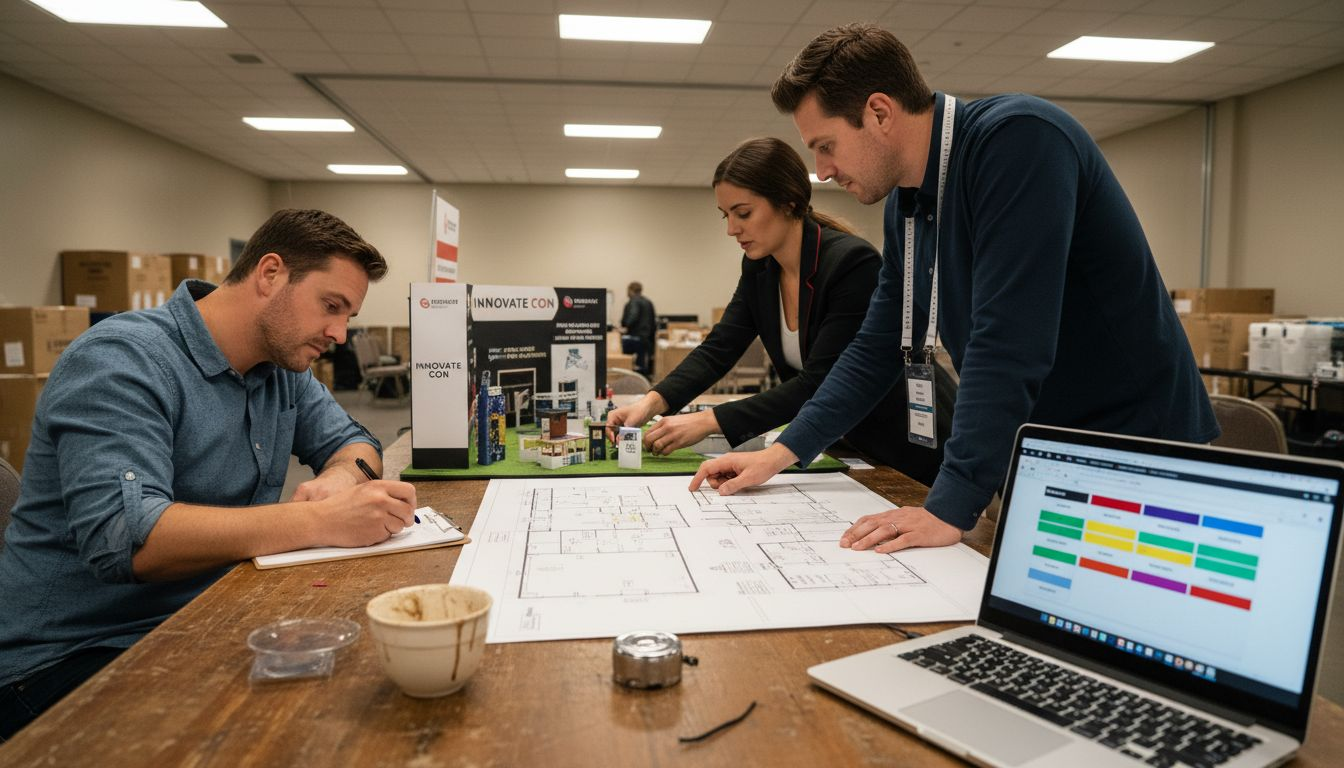
Planning an effective exhibition can feel overwhelming when you want every detail to support your brand and capture attention. Without a clear strategy, it is easy to waste resources or miss out on meaningful connections. The right approach gives your team direction and ensures your efforts deliver measurable impact.
You are about to discover proven techniques that take you from initial concept to lasting results. These strategies include setting sharp objectives, mastering visual identity, and applying reliable project management methods. Get ready to unlock practical insights that will help you stand out on the exhibition floor and turn every event into a valuable opportunity for your business.
Table of Contents
- 1. Define Clear Objectives For Your Exhibition Strategy
- 2. Choose Innovative And Sustainable Booth Designs
- 3. Prioritize Attendee Engagement And Interactivity
- 4. Align Visuals With Your Brand Identity
- 5. Implement Efficient Project Management Techniques
- 6. Utilize 3D Visualization For Stand Planning
- 7. Ensure On-Site Support And Post-Event Follow-Up
Quick Summary
| Takeaway | Explanation |
|---|---|
| 1. Define SMART Objectives | Clear, specific goals guide your exhibition planning and execution for maximum impact. |
| 2. Innovate with Sustainable Designs | Create booths using eco-friendly materials and technologies to demonstrate corporate responsibility. |
| 3. Engage Attendees Actively | Foster interaction through gamification and technology to turn visitors into brand advocates. |
| 4. Maintain Visual Brand Consistency | Ensure all visual elements align with your brand identity to reinforce recognition and connection. |
| 5. Implement Efficient Project Management | Use strategic planning and technology to streamline the exhibition preparation process and reduce chaos. |
1. Define Clear Objectives for Your Exhibition Strategy
Successful exhibitions begin with strategic, well-defined objectives that transform your brand’s presence from passive display to powerful engagement platform. Defining precise exhibition goals is not just a planning step – it’s the strategic blueprint that determines your entire event’s trajectory and potential impact.
Establishing clear objectives allows your team to:
- Create targeted messaging and booth design
- Allocate resources efficiently
- Measure performance and return on investment
- Align team efforts toward specific outcomes
Effective exhibition objectives typically fall into several key categories:
- Lead Generation: Identifying and connecting with potential business prospects
- Brand Awareness: Increasing visibility and recognition within your industry
- Product Showcase: Demonstrating new innovations or capabilities
- Networking: Building strategic partnerships and professional relationships
Clear objectives transform exhibitions from random events into purposeful strategic opportunities.
When developing your objectives, focus on creating SMART goals: Specific, Measurable, Achievable, Relevant, and Time-bound. This framework ensures your exhibition strategy remains focused and actionable.
For instance, instead of a vague goal like “generate interest,” a SMART objective might read: “Collect 150 qualified leads from technology decision makers within our target industries during the three-day exhibition.”
Develop a comprehensive exhibition strategy that starts with crystal-clear objectives, transforming your brand’s event presence from passive to powerfully strategic.
Pro tip: Create a one-page objective summary that every team member can quickly reference, ensuring alignment and focused execution throughout the exhibition planning process.
2. Choose Innovative and Sustainable Booth Designs
In the competitive world of trade shows, your booth design is more than just a physical space – it’s a powerful storytelling platform that communicates your brand’s values, innovation, and commitment to sustainability. Cutting-edge booth design can transform passive exhibition spaces into dynamic, engaging experiences that capture attention and inspire meaningful connections.
Innovative and sustainable booth designs offer multiple strategic advantages:
- Reduce environmental impact
- Demonstrate corporate social responsibility
Sustainable Design Elements:
- Modular Construction: Allows for flexible, reusable booth configurations
- Recycled Materials: Incorporate eco-friendly materials like reclaimed wood or recycled plastics
- Energy Efficient Lighting: Use LED and low-energy lighting solutions
- Digital Displays: Replace traditional printed materials with digital presentations
Innovative design is not just about aesthetics – it’s about creating meaningful, responsible brand experiences.
Sustainable expo stands represent a strategic approach to exhibition design that balances visual impact with environmental consciousness. By selecting materials and technologies that minimize waste and maximize engagement, companies can create memorable booth experiences that resonate with environmentally aware audiences.
Consider incorporating interactive technologies like augmented reality, touchscreen displays, and digital demonstrations that reduce physical material consumption while creating immersive brand interactions.
Pro tip: Design your booth with future events in mind by investing in modular, adaptable components that can be reconfigured and reused across multiple exhibitions.
3. Prioritize Attendee Engagement and Interactivity
Transforming passive exhibition spaces into dynamic interaction zones represents the new gold standard for brand experiences. Modern trade show engagement goes far beyond traditional marketing approaches by creating immersive environments that invite active participation and meaningful connections.
Successful interactive strategies include:
- Gamification of brand experiences
- Technology-driven engagement platforms
- Personalized demonstration zones
- Real-time product interaction opportunities
Technological approaches for enhanced interactivity:
- Augmented Reality (AR) product demonstrations
- Interactive touchscreen experiences
- Live social media integration
- Personalized digital content generators
Engagement transforms visitors from passive observers into active brand participants.
Event branding strategies demonstrate that meaningful interactions create lasting impressions far beyond traditional marketing approaches. By designing experiences that invite genuine curiosity and participation, brands can forge deeper connections with potential clients.
Key engagement principles include creating multi-sensory experiences that encourage exploration, providing immediate value, and designing interactions that feel natural and intuitive rather than forced or sales-oriented.
Pro tip: Design your booth interactions with a clear narrative arc that guides attendees through a storytelling journey while providing multiple touchpoints for engagement.
4. Align Visuals with Your Brand Identity
Your exhibition booth is a three-dimensional canvas that communicates your brand’s essence at a glance. Visual brand consistency transforms an ordinary space into a powerful storytelling platform that instantly connects with your target audience.
Key visual branding elements include:
- Color palette alignment
- Consistent typography
- Strategic logo placement
- Cohesive graphic design language
Critical components of visual brand identity:
- Color psychology and emotional resonance
- Typography that reflects brand personality
- Graphic design that communicates core values
- Spatial design mirroring brand narrative
Your visual identity is a silent ambassador that speaks volumes before a single word is spoken.
Create the most successful stand design by ensuring every visual element tells a consistent, compelling story about your brand. Successful exhibitions leverage visual language that creates immediate recognition and emotional connection.
Professional exhibitors understand that visual consistency extends beyond graphic design. It encompasses everything from staff uniforms and booth materials to digital displays and printed collateral. Each element should feel like an intentional piece of your broader brand narrative.
Pro tip: Develop a comprehensive brand guidelines document that team members can reference to ensure perfect visual alignment across all exhibition elements.
5. Implement Efficient Project Management Techniques
Successful exhibition planning requires more than creative vision – it demands strategic operational precision. Effective project management transforms complex exhibition preparation from a potential nightmare into a streamlined, predictable process that minimizes risks and maximizes performance.
Core project management strategies include:
- Clear timeline development
- Comprehensive risk assessment
- Stakeholder communication protocols
- Resource allocation tracking
- Agile response mechanisms
Key project management methodologies for exhibitions:
- Define explicit project milestones
- Establish transparent communication channels
- Implement real-time tracking systems
- Create contingency plans for potential disruptions
Precision in planning eliminates chaos in execution.
Exhibition booth management represents a critical intersection of strategic planning and tactical implementation. Successful project managers understand that every detail matters and that proactive coordination prevents last-minute complications.
Technology plays a crucial role in modern exhibition project management. Digital collaboration tools, cloud-based project tracking software, and integrated communication platforms enable teams to maintain synchronization across complex logistical landscapes.
Pro tip: Create a centralized digital dashboard that provides real-time updates on budget, timeline, and task completion to keep all team members aligned and accountable.
6. Utilize 3D Visualization for Stand Planning
Modern exhibition design has transcended traditional sketching techniques, entering an era of immersive digital prototyping. 3D visualization technology empowers designers and clients to explore exhibition stands with unprecedented precision and creativity before a single physical component is constructed.
Key advantages of 3D visualization include:
- Realistic design previews
- Cost-effective design iterations
- Improved spatial understanding
- Enhanced stakeholder communication
Strategic applications of 3D visualization:
- Virtual booth walkthrough simulations
- Material and lighting effect testing
- Space optimization analysis
- Collaborative design refinement
Digital visualization transforms imagination into actionable design blueprints.
Role of 3D design in exhibitions demonstrates how technology bridges conceptual thinking and physical execution. These advanced visualization tools enable exhibitors to make informed decisions, reduce costly design mistakes, and create more impactful brand experiences.
Professional 3D visualization goes beyond aesthetic rendering. It provides precise measurements, material specifications, and interactive design elements that help teams collaborate more effectively and align project expectations across different stakeholders.
Pro tip: Request multiple design iterations in 3D format to explore creative possibilities and refine your exhibition stand concept before committing to final production.
7. Ensure On-Site Support and Post-Event Follow-Up
The true measure of exhibition success extends far beyond the physical event itself. Strategic on-site support and comprehensive post-event follow-up transform fleeting interactions into lasting business relationships and measurable outcomes.
Critical components of effective event follow-up include:
- Rapid lead qualification
- Personalized communication
- Performance metric analysis
- Continuous relationship nurturing
Key post-exhibition engagement strategies:
- Document all interactions immediately
- Segment leads by potential value
- Develop tailored follow-up communication
- Schedule strategic touchpoint meetings
Exceptional follow-up converts exhibition moments into meaningful business opportunities.
Success exhibiting at IFEMA Madrid demonstrates how professional on-site support creates lasting impressions. Effective follow-up requires a systematic approach that bridges the gap between initial event interaction and long-term business development.
Technology plays a crucial role in streamlining post-event processes. Customer relationship management systems, automated communication workflows, and detailed analytics platforms enable precise tracking and nurturing of exhibition-generated leads.
Pro tip: Create a standardized post-exhibition communication template that can be quickly personalized for different lead segments to ensure timely and relevant follow-up.
Below is a comprehensive table summarizing the key strategies and benefits of planning and executing successful exhibitions as discussed throughout the article.
| Main Topic | Key Strategies | Anticipated Benefits |
|---|---|---|
| Clear Objectives | Define SMART goals (Specific, Measurable, Achievable, Relevant, Time-bound); Align goals with team and booth design | Focused planning, measurable success, targeted messaging |
| Innovative Booth Designs | Use adaptable, sustainable materials; Incorporate digital and AR technologies | Eye-catching displays, reduced environmental impact, enhanced brand storytelling |
| Attendee Engagement | Employ interactive technologies like touchscreens, augmented reality, and gamification | Increased attendee participation, better lead generation, memorable brand experiences |
| Brand Identity Alignment | Maintain consistent visuals (color, typography, logo placement); Reflect brand narrative in design | Stronger audience connection, improved brand recognition |
| Project Management | Establish milestones, utilize tracking systems, create contingency plans | Streamlined preparation, minimized risks, enhanced coordination |
| 3D Visualization | Conduct virtual walkthroughs; Optimize spatial arrangements digitally | Cost-effective, precise planning, enhanced collaboration |
| Post-Event Strategies | Follow-up with personalized communication, analyze performance metrics | Strengthened networks, continuous lead engagement, strategic improvements for future events |
Elevate Your Exhibition Success with Expert Stand Solutions
Navigating the complexities of exhibition planning often challenges brands to define clear objectives, engage attendees meaningfully, and deliver visual impact while managing logistics seamlessly. If you recognize the need for precise project management, innovative booth design, and sustainable solutions highlighted in the article “7 Best Practices for Exhibitions to Boost Brand Impact,” Adam Expo Stand provides the perfect partner for your trade show journey. With specialized services like custom and modular stand fabrication, 3D visualization, and on-site support, we address your key pain points of transforming passive displays into captivating, interactive brand experiences.
Don’t let your next exhibition be just another event. Discover how our comprehensive exhibition stand design and management services can turn your strategic objectives into measurable results. Invest in a partnership that prioritizes your brand identity and sustainability through innovative sustainable expo stands. Ready to start crafting an unforgettable presence that resonates beyond the trade show floor Visit Adam Expo Stand today to explore tailored solutions that bring your brand strategy to life and ensure timely execution from concept to teardown.
Frequently Asked Questions
How can I define clear objectives for my exhibition strategy?
To define clear objectives for your exhibition strategy, identify specific goals such as lead generation, brand awareness, or networking. Start by creating SMART goals—Specific, Measurable, Achievable, Relevant, and Time-bound—that align with your overall business objectives.
What design elements should I focus on for a sustainable exhibition booth?
Focus on incorporating modular construction, recycled materials, energy-efficient lighting, and digital displays into your booth design. Aim to reduce environmental impact while enhancing visual appeal by integrating eco-friendly materials that convey your commitment to sustainability.
How can I enhance attendee engagement during my exhibition?
Enhance attendee engagement by implementing interactive strategies such as gamification, personalized demonstrations, and real-time social media integration. Create experiences that encourage participation, ensuring visitors feel involved and interested in your brand.
What visual branding elements should I ensure are consistent at my exhibition booth?
Ensure that your booth maintains a consistent color palette, typography, and graphic design elements that reflect your brand identity. Strategically place your logo and utilize cohesive designs to create an immediate connection with your audience.
What project management techniques can I implement for successful exhibition planning?
Implement project management techniques such as setting clear timelines, tracking resources, and communicating effectively with your team. Establish explicit project milestones and create contingency plans to prepare for any potential challenges during the exhibition.
How should I follow up after the exhibition for the best results?
Follow up after the exhibition by documenting all interactions, segmenting leads, and developing tailored communication strategies. Aim to contact potential clients within 3-5 days to maintain momentum and cultivate the relationships established during the event.
Recommended
- 7 Event Branding Ideas to Boost Trade Show Engagement
- Success Exhibiting at IFEMA Madrid: The Ultimate Exhibitor Guide
- Exhibition Booth Management: Boosting Event Success
- The Ultimate Guide to Trade Booth Rental Design in Europe | Adam Expo Stand Solutions
- 7 Key Reasons to Hire Live Music for Corporate Events

