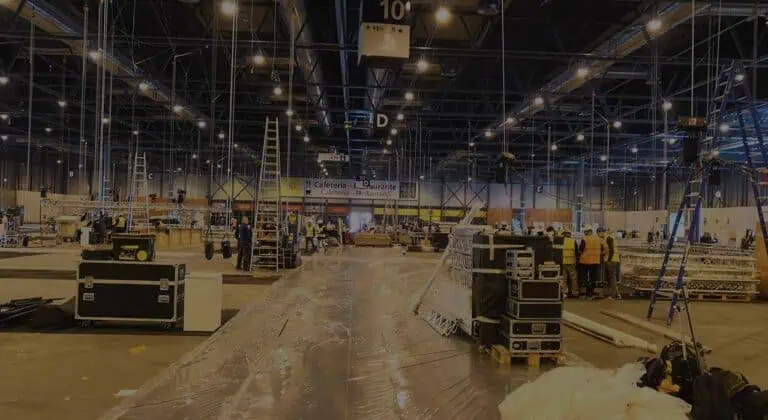
For a first-time exhibitor in Europe, the useful starting point is a written participation plan: who you want to meet, what you will show, what you have booked and who will manage each decision. A stand design becomes easier to assess when those questions have answers.
These nine steps turn that plan into a working checklist. Use the organiser’s current documents for your chosen event; booking packages, access rules and deadlines differ between fairs.
1. Define a result your team can evaluate
Choose the purpose of exhibiting before ordering a stand: demonstrate a product, meet distributors, hold customer meetings or investigate a market. Describe a relevant conversation and the next action you want to agree. Record the budget and staff time you will compare with the results after the show.
2. Check that the event fits that purpose
Review the organiser’s current visitor profile, exhibitor list and programme. Ask how reported audience figures were measured and which edition they describe. A large total does not show how many visitors fit your target market.
Compare the event with your other ways of reaching those customers. Write down the assumptions behind the decision so the post-show review can test them.
3. Understand what you are buying
Read the offer before commissioning construction. Confirm the plot, open sides, inclusions and exclusions. A space-only booking and a supplied stand package require different arrangements.
List the separate responsibilities for the organiser, your company and the builder. Check who orders electricity, connectivity, cleaning and other services, and who receives confirmations. Ask the organiser when information is missing.
4. Build a complete participation budget
Use written quotes and explicit allowances. Include space, stand design and construction or rental, graphics, equipment, services, transport, installation, dismantling, staff travel, accommodation, product handling and follow-up work. Identify taxes, currency assumptions, exclusions and items awaiting confirmation.
A generic price per square metre or a fixed percentage for the stand cannot replace this budget. Compare suppliers with the same brief and investigate differences in scope before choosing a total.
5. Brief the designer around visitor activities
Show where a visitor enters, understands your offer, watches a demonstration, asks questions and leaves. Add the products, equipment, storage and staff positions needed for those activities. Mark provisional choices clearly.
Provide the allocated plan, dimensions, open sides, brand files, display requirements, budget and approval contacts. AUMA’s briefing guidance highlights shared objectives, messages, responsibilities and organisational information. Our stand brief checklist helps you assemble the project details.
6. Work back from the actual deadlines
Create a schedule from the organiser’s submission, service-order and access dates. Ask the supplier to identify the time needed for design reviews, technical coordination, production, shipping and installation. Assign an owner to each decision and record what a late change would affect.
There is no universal lead time for every European exhibition. If time is short, request a feasible scope and a written schedule before promising a particular construction.
7. Prepare the team and meeting invitations
Agree who welcomes visitors, demonstrates, answers detailed questions and covers breaks. Rehearse the explanation with the actual products or screens. Prepare a fallback for equipment or connectivity problems and a contact list for event support.
Invite relevant existing contacts through your normal communication process. Share the correct event, stand location and meeting purpose. Plan capacity around staff availability and demonstration length rather than an arbitrary target for pre-booked appointments.
8. Record conversations with useful context
Choose a simple record: visitor interest, information requested, responsible colleague and agreed next action. Test the capture tool and the transfer to your team’s system before opening. Explain how information will be used and follow your organisation’s privacy process. A badge scan should not automatically add someone to a newsletter.
9. Deliver the promised follow-up and review the event
Assign each action and a suitable deadline based on what was agreed. Send the promised technical information or proposal, record the response and hand over unresolved questions to the right colleague. Prioritise commitments and relevance rather than treating every contact as an equivalent sales opportunity.
Review qualified conversations, demonstrations and follow-up progress alongside the full cost and staff time. Note what to change in the event choice, message, stand or staffing. Separate observed results from possible future sales.
What should a first-time exhibitor send the builder?
Send the event and venue, allocated plan, booking package, visitor activities, product requirements, budget scope, available brand files, organiser deadlines and approval contacts. Include unanswered questions so the supplier can identify what must be confirmed.
Share your first exhibition brief with Adam Expo Stand to discuss a design and proposal with defined responsibilities.
Follow our exhibition planning guides
Choose Adam Expo Stand as a preferred source to help you find our exhibition guides and updates on Google.
Add as a preferred source on GoogleGoogle may ask you to sign in and confirm your choice.